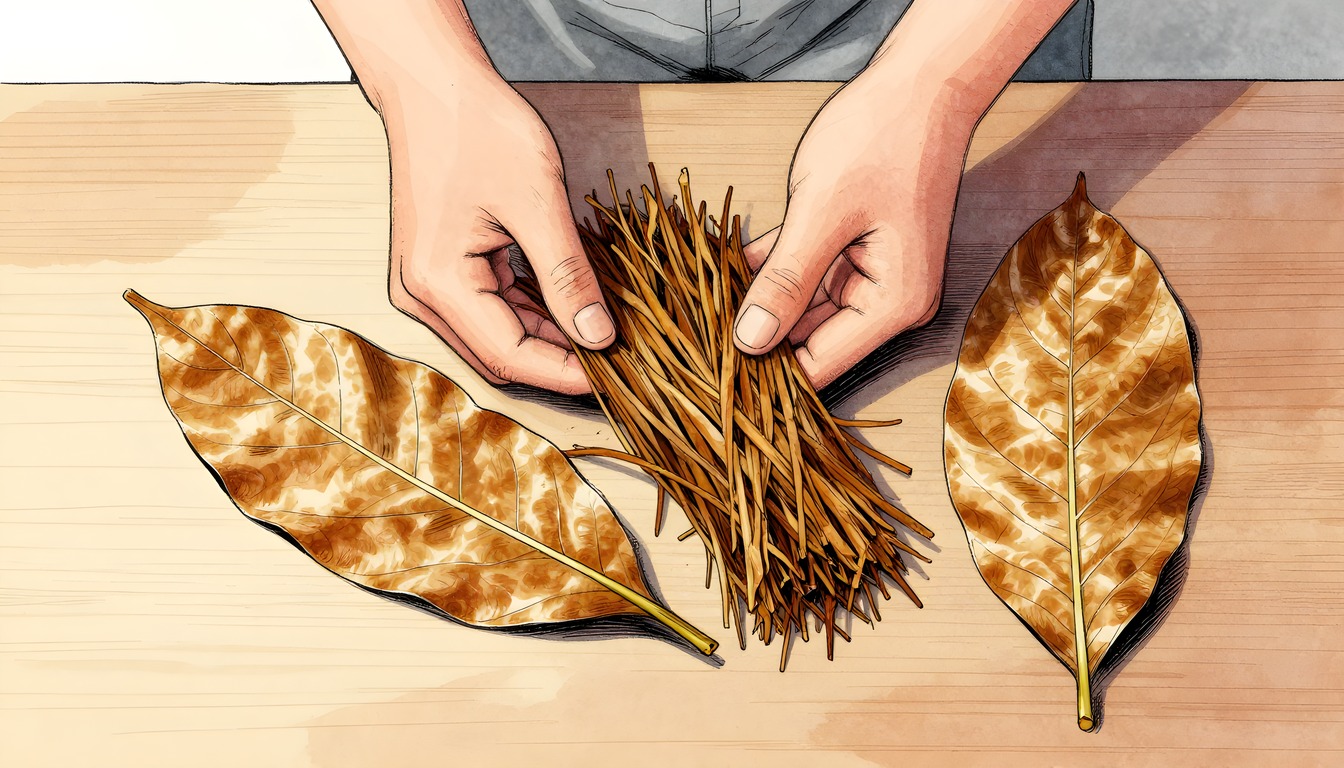
On October 26, Cigar Dojo reported that Lampert would bring Baba Yaga back in November with its binder and filler undisclosed. Cigar makers should print the country of every wrapper, binder and filler, even when secrecy is part of the sales pitch.
Baba Yaga sells mystery where facts belong
Lampert's own Baba Yaga page names an Ecuador Habano wrapper and production at Tabacos de Costa Rica. Its binder and filler fields say “Undisclosed.” The surrounding copy promises mystery and invokes Slavic folklore. We get the atmosphere; we should get the tobacco countries too.
A factory address answers where people made the cigar. It doesn't answer where they grew the leaf inside it. In this case, the maker supplies a wrapper country and withholds the corresponding information for the rest of the blend. We think that is an incomplete product description.
Keep the folklore, publish the countries
Keep the folklore. Give the box an arresting design. Those choices can coexist with a complete country list. Making the buyer choose between an entertaining story and basic sourcing information gives the story far too much importance.
Our wrapper, binder and filler guide separates the cigar's construction roles. We want the same separation in every sales description: the country for each component, followed by whatever story the maker wants to tell. A named wrapper should never have to carry the informational burden of the whole cigar.
The country list can stop short of the recipe
Put these manufacturer pages beside one another. The difference is visible without a tasting score or a guess about what an undisclosed leaf might be.
| Cigar | Wrapper country | Binder country | Filler countries | Source |
|---|---|---|---|---|
| Lampert Baba Yaga | Ecuador | Undisclosed | Undisclosed | Lampert specification |
| Oliva Serie V | Ecuador | Nicaragua | Nicaragua | Oliva specification |
| J.C. Newman The American | United States, Florida | United States, Connecticut | United States, Pennsylvania and Connecticut | J.C. Newman specification |
Oliva also identifies Jalapa Valley ligero. Its page supplies a useful starting point without publishing the proportions. We can read the component countries and a growing region, yet we still couldn't reconstruct the cigar from that description.
J.C. Newman goes further, locating the wrapper in Florida and naming Connecticut and Pennsylvania tobaccos. That example makes country disclosure look modest. A maker can attach a product's identity to its sourcing instead of leaving the buyer to admire an empty field.
At a blending table, a country name would leave plenty for the blender to decide. The public specification should give buyers a basis for comparison; the maker can keep its exact leaf selections and proportions private. That is a workable standard, already illustrated by the products above.
The best case against this
The strongest objection belongs to a maker whose advantage rests on finding tobacco competitors have overlooked. Even naming a country could help a rival narrow the search. The World Intellectual Property Organization includes supplier lists, recipes and manufacturing processes among information trade secrets can protect. Sourcing knowledge can have commercial value.
Then there is the smoker who dismisses a country before trying the blend. A maker could reasonably want the finished cigar judged without that prejudice. Our comparison of awards and blind tastings explains the appeal of withholding identifying information during evaluation. The strongest defense of secrecy combines competitive protection with a fair hearing for the cigar.
We would still require the countries. A blind tasting can conceal the specification until judging ends; a public product page should let the buyer read it whenever they choose. The maker's preference for an unprejudiced tasting shouldn't become a permanent restriction on the customer's knowledge.
The public sources cannot establish how much competitive harm country disclosure would cause a particular maker. Our judgment is that broad geography belongs in the purchase description even when a maker would gain something by withholding it. Buyers deserve enough information to judge the sourcing claim as well as the smoke.
Keep the supplier contracts private. Keep the proportions private. Publish the country for each component. The competitive objection has force, but it doesn't earn the maker a blank field at the buyer's expense.
Put the facts where the sale happens
The standard should be easy to use at a shop counter: wrapper country, binder country, every filler country, and manufacturing country in its own field. Put those facts on the box and product page. Carry them into the retailer's description so the buyer can compare cigars before paying.
For a filler blend spanning several countries, list all of them. A generic “imported tobacco” entry would defeat the purpose. When a country changes, update the description for the affected release and make the distinction visible. Keep the older specification available for buyers holding older stock.
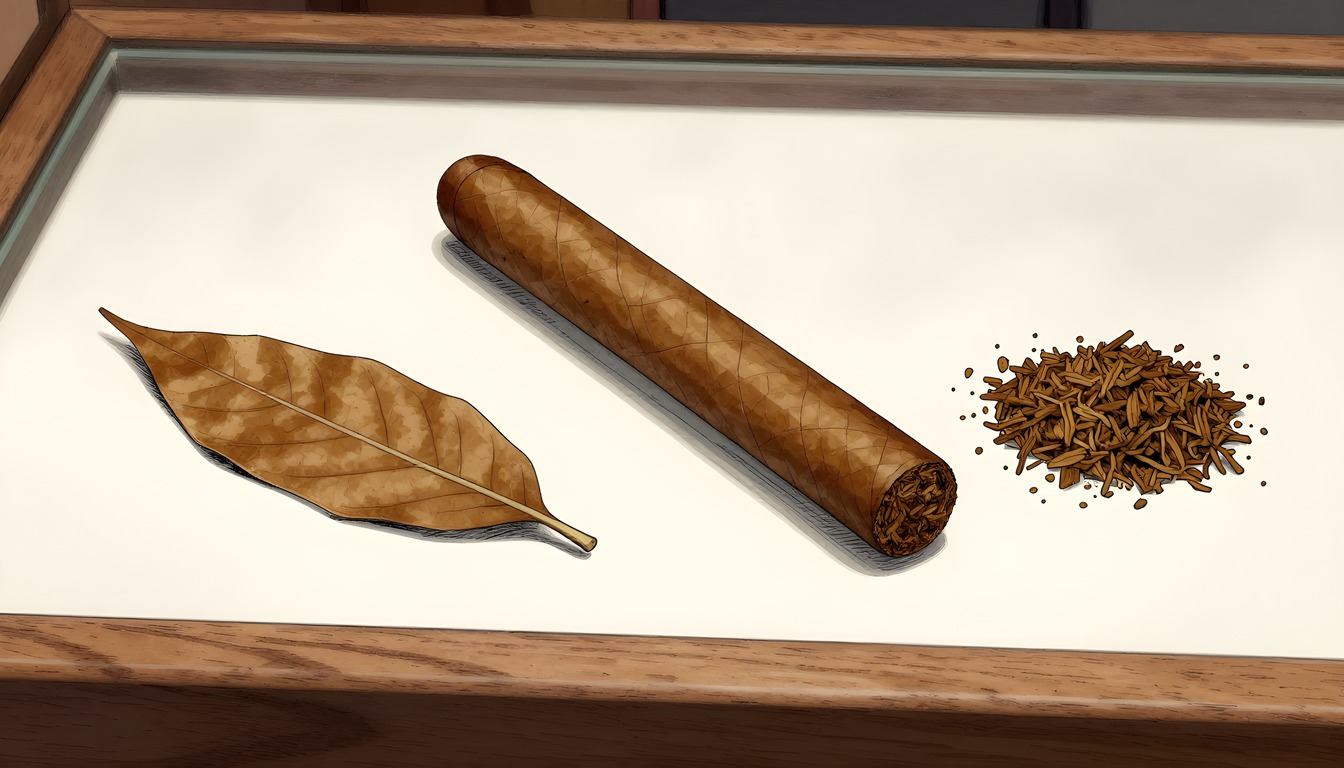
We should apply that discipline ourselves. Our Origin Index explicitly warns that its stored origin fields don't establish manufacturing location or component countries. A database field is easy to mistake for a complete answer. We need to resist that shortcut when editing our own comparisons.
For a retailer, the practical response to an undisclosed binder is to retain the gap and press the maker to fill it. Don't infer a country from the factory or turn a distributor's guess into a specification. An honest empty field should remain visible until the manufacturer supplies the missing fact.
Reward the maker who names the leaf
Ask for the component countries before buying a mystery blend. If the answer stays undisclosed, favor a cigar whose maker publishes them. We want that question to become ordinary shop-counter conversation, with an ordinary factual answer.
We would reconsider if makers demonstrated that even broad country lists impose a concrete competitive cost that outweighs their value to buyers. Until then, the published examples set the standard: origin information can accompany a cigar without handing over its recipe.
A blend you can't source is a blend you can't fully judge. Print the country for every wrapper, binder and filler. Let the cigar stand on its tobacco, and let the folklore sell the artwork.
Sources
Dates for undated product and reference pages below record access.
- Lampert Brings Back Baba Yaga, Cigar Dojo, 2026-10-26.
- Baba Yaga, Lampert Cigars, 2026-11-09.
- Serie V, Oliva Cigars, 2026-11-09.
- The American, J.C. Newman Cigar Co., 2026-11-09.
- Trade Secrets, World Intellectual Property Organization, 2026-11-09.