
For an ordinary individual cigar sleeve, leaving cellophane on is a practical choice when cigars will be handled or moved. Removing it can also suit careful home storage. Either way, the enclosure still needs suitable humidity control: the sleeve is protection, not a replacement for a functioning humidor.
Choose by how you use the cigars
Boveda's storage guide treats keeping or removing ordinary cigar cellophane as a preference, and describes its transport role. That supports a decision based on handling, rather than a rule that every collector must unwrap everything.
| Your situation | Practical starting choice |
|---|---|
| Loose cigars handled frequently | Keep sound sleeves on |
| Cigars packed for travel | Keep sleeves, add crush protection |
| Carefully arranged home collection | Either approach, with humidity control |
| Unknown sealed retail packaging | Identify the packaging before deciding |
The table is a handling recommendation, not a measured aging ranking. Start with the least disruptive choice that solves your actual problem. You do not need to unwrap a box simply because another person's humidor looks tidier without sleeves.
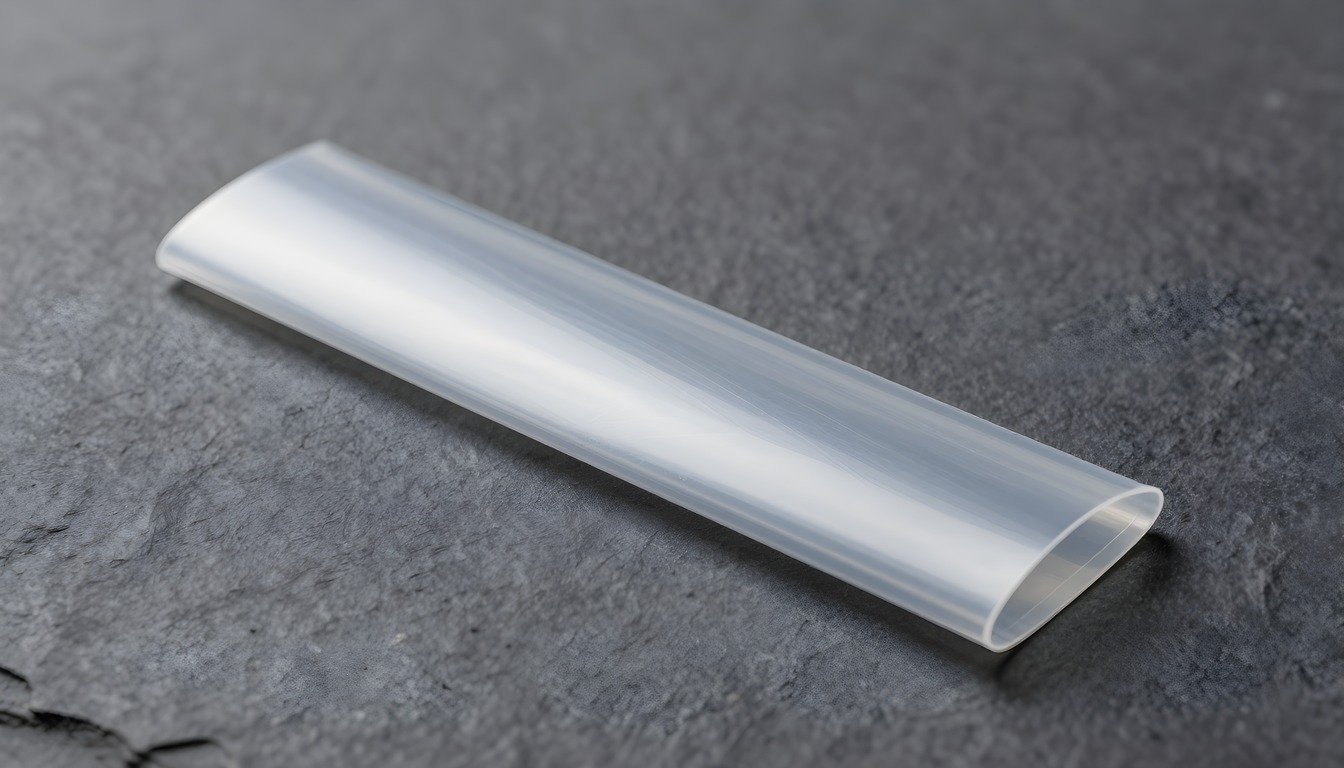
Locally generated editorial illustration of an individual sleeve; the film grade and exact packaging are illustrative.
Clear packaging is not one material
Futamura's Cellophane film page identifies cellulose films made from wood pulp, including different barrier and permeability grades. This matters because “cellophane” is often used casually to describe whatever clear wrapping is in front of us.
The manufacturer also markets NatureFlex cigar packaging with moisture, oxygen, and aroma barriers. Its page covers individual wraps, liners, and multipack overwraps. A claim about one ordinary cigar sleeve should not be extended automatically to every clear, sealed package.
The useful distinction is the actual package
Ask whether you have the cigar's supplied individual sleeve, a sealed outer bag, or another protective film. Look for the maker's instructions. If the packaging is unfamiliar, do not assume that a transparent appearance reveals its material or moisture behavior.
This is also why “cigars need to breathe” is an incomplete explanation. It does not identify a film grade, how the ends are closed, or how the surrounding enclosure is maintained. Those details are more useful than the slogan.
Keep the outer storage system working
An individually sleeved cigar still belongs in an appropriate storage enclosure. If your setup has lost its seal or its humidification supply needs replacement, stripping off the sleeves does not repair that problem. Start with the enclosure and a reliable measurement.
Follow your humidity product's instructions for quantity and preparation. Boveda's use instructions distinguish its clear shipping overwrap from the brown working packet: remove the former if supplied, and leave the packet itself intact.
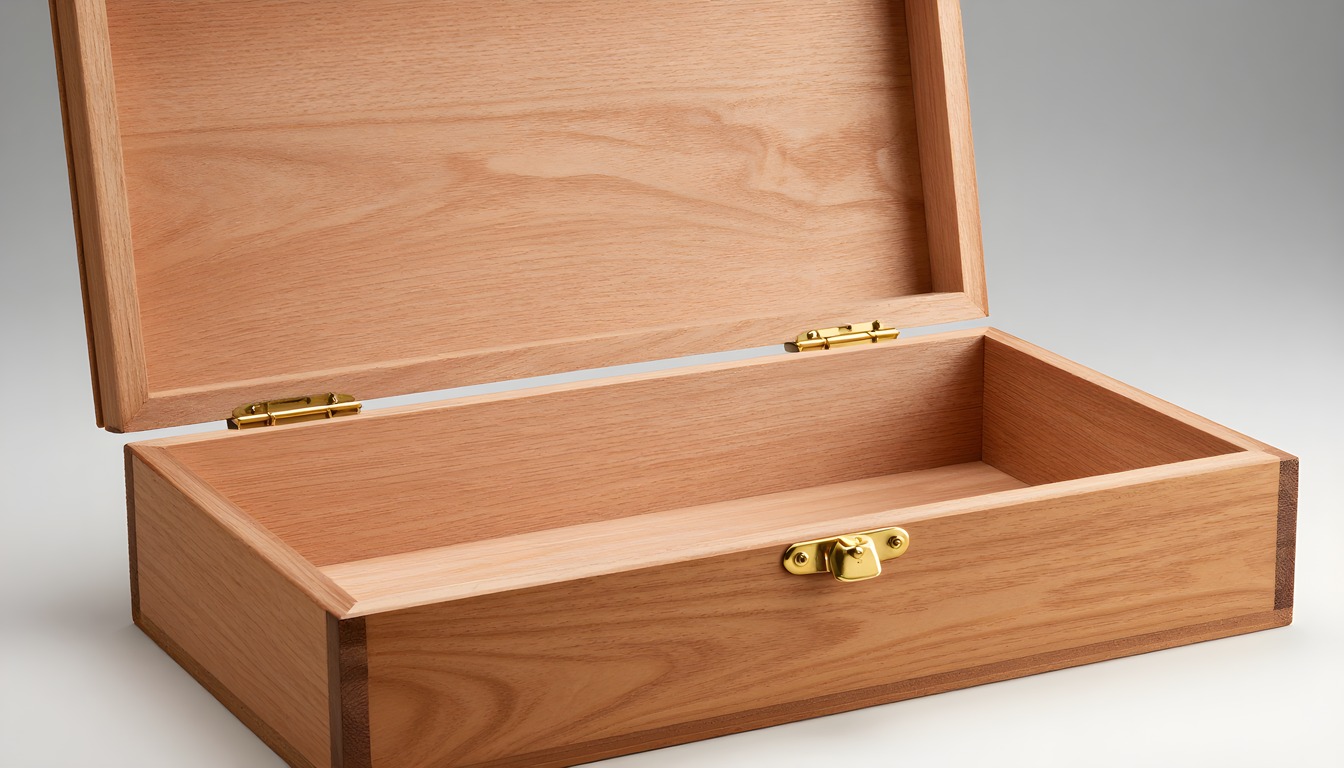
Locally generated editorial illustration of humidor organization; it does not establish a storage humidity or document aging.
One number does not test every cigar
A hygrometer measures conditions around its sensor, rather than the moisture inside each cigar or sleeve. If the number looks wrong, check the hygrometer against a reference before making repeated changes to the collection.
Keep a record of your storage setup and inspect the cigars themselves. Do not promise that a newly delivered cigar has settled in a particular number of hours just because its sleeve is on or off. Its starting condition remains another unknown.
For a basic container setup, the no-humidor storage guide covers enclosure choices. Resolve that foundation first; the sleeve decision is much smaller than whether the collection is stored properly.
Sleeves help most when cigars move
Oliva recommends leaving cellophane on when shipping cigars. Its guidance also warns against shipping cigars loose. The useful lesson is layered protection: an individual sleeve and a package that restrains movement do different jobs.
For your own travel case, leave a sound supplied sleeve in place and test the actual fit. A sleeve cannot stop a hard object pressing into the cigar through the lid. Nor should it persuade you to force an extra row into a full case.
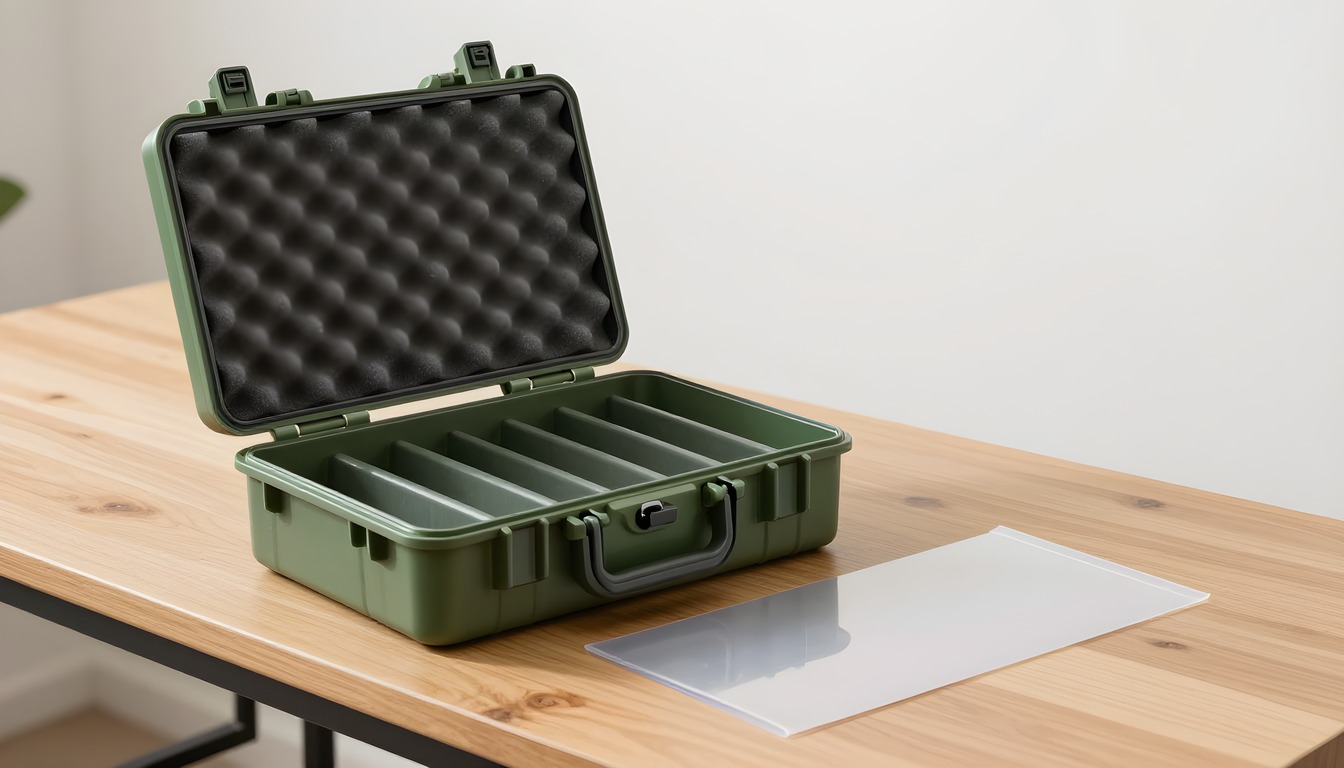
Locally generated editorial illustration of travel protection; it is not a tested case or packing certification.
Check the packed case, not its advertised capacity
Close the loaded case gently, reopen it, and inspect the caps and feet for pressure. Keep loose cutters and other accessories away from the cigars. If the lid needs force, reduce the load instead of treating the sleeve as padding.
The travel humidor guide explains dimensions, seals, and humidification space. An airline trip adds separate accessory and border rules, covered in flying with cigars. Neither question is answered by taking cellophane off.
Remove a sleeve without turning it into a repair
If you choose bare storage, use clean, dry hands and work over a clear surface. Open the sleeve's folded end first. Guide the cigar out slowly, supporting its body rather than pushing hard against the cap or foot.
If the film catches, stop and inspect where it is snagged. Do not twist a tight sleeve against a delicate wrapper or drag it over a loose band. Preserving the cigar matters more than removing the packaging in one piece.
Keep the useful identification
A retail sticker or handwritten date may be the only record of a loose cigar's identity. Copy that information to your inventory before discarding the sleeve. Keep line, size, purchase date, and seller together; a brand name alone may not distinguish the product.
Do not add adhesives directly to bare tobacco. If you want dates or notes visible in the humidor, label a tray divider or use a separate record. Organization should help you identify and handle cigars, not create another surface to peel off later.
Do not ask a sleeve to isolate a problem
If you want to keep an infused or strongly aromatic product separate from other cigars, choose a separate suitable enclosure. An ordinary sleeve is not documented evidence of an aroma-tight seal. This is a conservative storage choice, rather than a promise about how quickly flavors transfer.
The Futamura film descriptions make clear that barrier performance depends on the film selected. Unless you know that specification and the package closure, treating all supplied sleeves as equivalent barriers asks them to do an unverified job.

Locally generated editorial illustration of storage compartments; a divider alone is not an aroma-tight enclosure.
Suspicious cigars need inspection
A sleeve also does not prove that a questionable cigar is suitable to place with the collection. Separate anything showing unfamiliar growth, unusual odor, or substantial moisture damage while you seek a clear assessment from the seller or maker.
Removing its sleeve is not a remedy for an unexplained problem. Do not brush something off and return the cigar to shared storage simply because a forum calls it harmless. The sensible first action is to avoid mixing an uncertain item with the rest.
Yellow film is not an age certificate
The supplied sources do not provide a validated way to date a cigar from sleeve color. A yellow sleeve therefore cannot establish a crop year, a storage history, or a flavor improvement. Ask for documented provenance if age is part of the sale.
Keep the distinction between observation and conclusion. “The sleeve is yellow” is an observation. “This cigar has aged perfectly for ten years” requires separate evidence. The same restraint applies when a sleeve looks clear: its appearance does not certify freshness.
Match the routine to two ordinary situations
For a collection of loose singles that you regularly move between home storage and a travel case, keep the sound supplied sleeves. Put identification on the sleeve or in your inventory. Recheck the packed fit whenever you change cigar sizes, rather than assuming the familiar case holds every load.
For a box that stays in a carefully maintained home enclosure, there may be little handling to solve. You can leave the supplied sleeves alone. If you prefer removing them, organize the box so reaching one cigar does not require rubbing several wrappers against each other.
Change only the part that causes trouble
A torn sleeve calls for attention to that sleeve. A crowded drawer calls for a different arrangement. A questionable humidity reading calls for an instrument check. Treating every problem as a reason to unwrap the whole collection creates work without identifying its cause.
A small trial can answer a practical question
If your goal is tidier access, try unwrapping only a few cigars first. Keep the rest in their supplied sleeves. Note whether handling becomes easier, whether identities stay clear, and whether your arrangement exposes the wrappers to more contact.
Do not call this an aging experiment or claim a flavor advantage from a few examples. It is a way to choose a routine you can maintain. A useful outcome might simply be that sleeves keep your loose cigars easier to identify.
| Question to record | Useful observation |
|---|---|
| Is access easier? | Time and care needed to remove a cigar |
| Is identification preserved? | Line and size remain unambiguous |
| Does packing work? | No pressure or movement in the case |
| Is storage monitored? | Reliable readings and regular inspection |
There is no prize for the more elaborate routine. If the supplied sleeves protect your cigars and the storage setup works, leave them alone. If bare storage suits your careful arrangement, make that choice deliberately and handle the tobacco accordingly.
Frequently Asked Questions
Must I remove cellophane before using a humidor?
No universal removal rule is supported for ordinary individual cigar sleeves. Boveda's storage guidance accepts either choice with its system. Keep sleeves for handling protection, or remove them carefully if that suits your arrangement. Identify unfamiliar sealed packaging separately.
Should I cut open or trim every sleeve end?
There is no need to make this a blanket preparation step. The sources used here do not establish a universal trimming benefit. Leave the supplied sleeve intact unless the maker gives a reason to change it, or you need to remove a damaged sleeve carefully.
Is cellophane enough for a trip?
It provides individual protection, not a rigid shell or a complete humidity system. Add an appropriate case or enclosure, suitable humidification, and enough space for the actual cigars. Avoid loose accessories and pressure from the lid.
Is the clear film around a humidity pack the same thing?
No. Boveda specifically says to remove its clear overwrap, when present, before use. Leave the brown packet intact. That instruction concerns the humidification product's packaging and should not be confused with a rule to remove cigar sleeves.