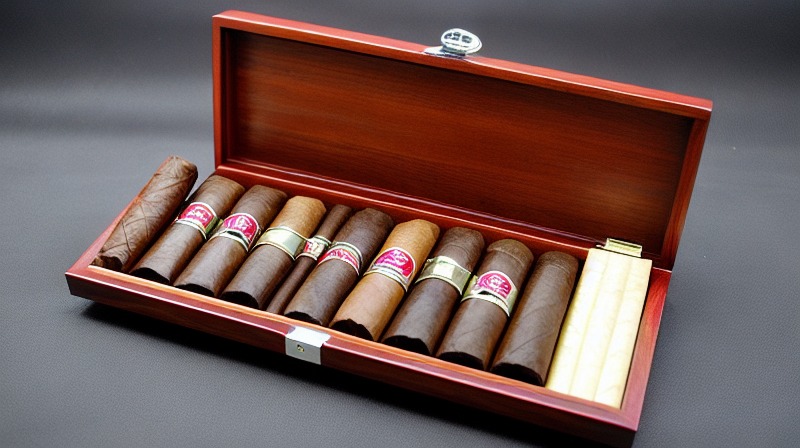
Welcome to the World of Premium Cigars
Congratulations on taking the first step into one of life's most refined pleasures. Smoking a cigar is more than just a habit—it's an experience, a ritual, and for many, a passion. This guide will walk you through everything you need to know to enjoy your first cigar the right way.
Step 1: Choose the Right Cigar for Beginners
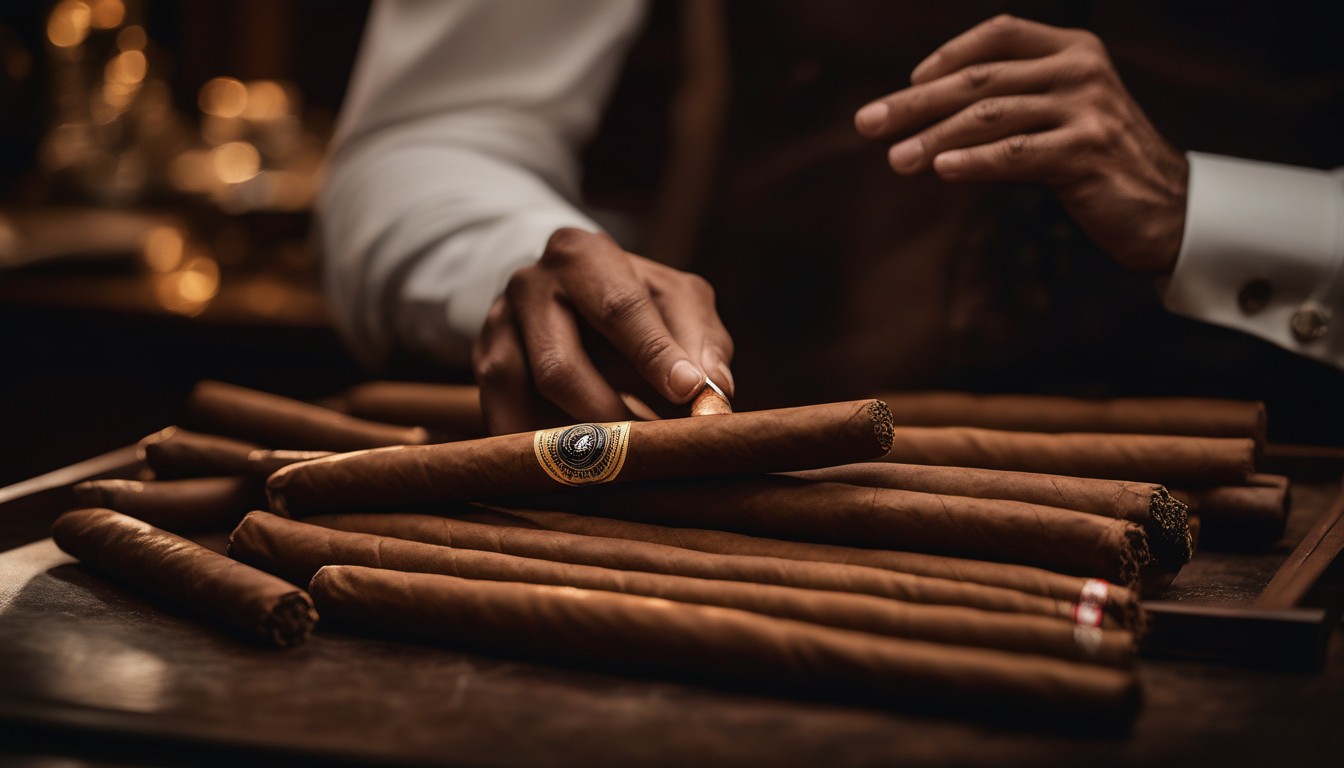
Start mild. As a newcomer, your palate hasn't developed the tolerance for full-bodied cigars. Here's what to look for:
- Wrapper: Connecticut Shade (light tan color) offers smooth, creamy flavors
- Size: A Robusto (5" × 50 ring gauge) is ideal—not too long, not too short
- Strength: Mild to Medium
Recommended First Cigars:
- Arturo Fuente Hemingway Short Story
- Ashton Classic
- Macanudo Cafe Hyde Park
- Perdomo Champagne
- Oliva Connecticut Reserve
Expect to spend $8-15 for a quality starter cigar. Avoid the cheapest options—a poor first experience can turn you away from the hobby entirely.
Step 2: Gather the Essential Tools
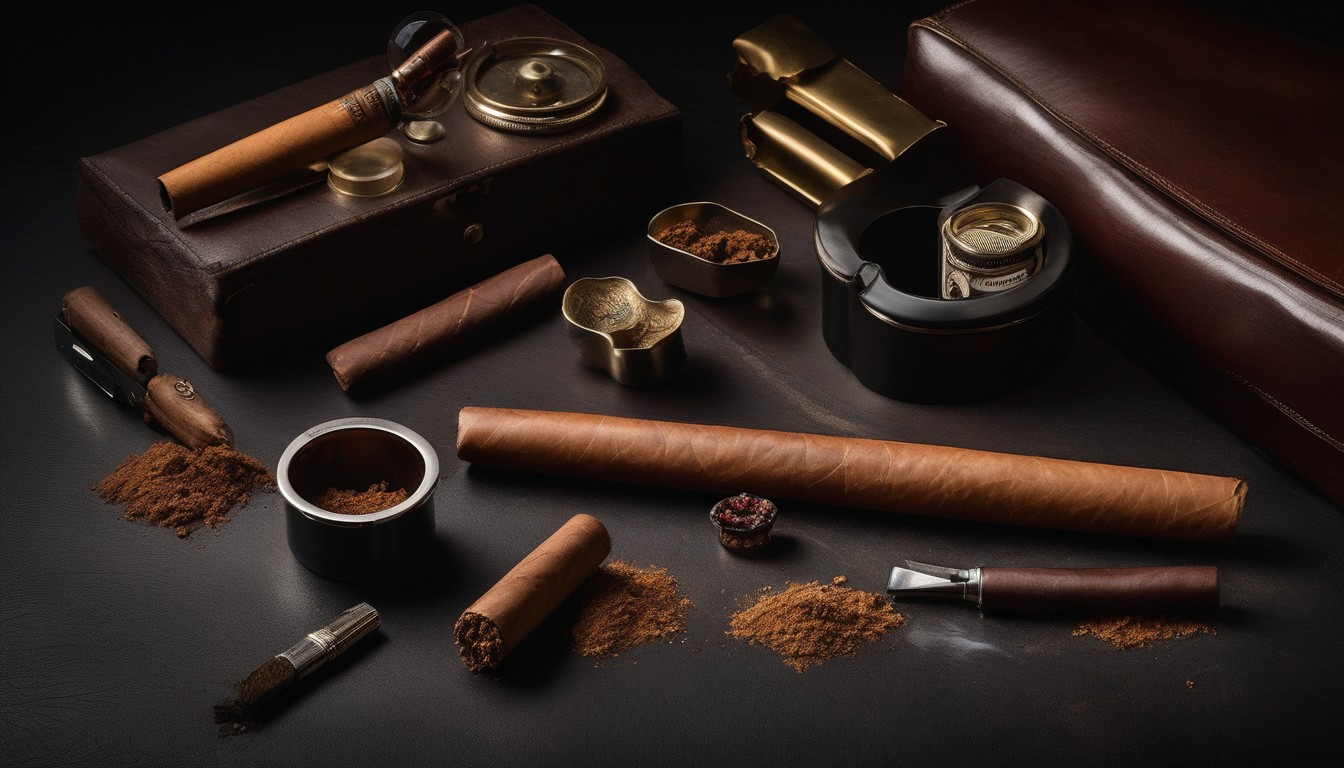
You'll need three things:
-
A Quality Cutter
- Guillotine (straight cut) is best for beginners
- V-cutters and punch cutters are alternatives
- Avoid biting the cap—it ruins the wrapper
-
A Reliable Lighter
- Butane torch lighters are ideal (odorless flame)
- Cedar spills (strips of cedar wood) are traditional
- Avoid Zippos or candles—they impart unwanted flavors
-
An Ashtray
- Cigar ashtrays have wide grooves to hold your cigar
- Any heat-resistant surface works in a pinch
Step 3: Prepare Your Cigar
Inspect your cigar:
- Roll it gently between your fingers—it should have slight give but no soft spots
- Look for any cracks or damage to the wrapper
- The foot (pre-cut end) should show even tobacco distribution
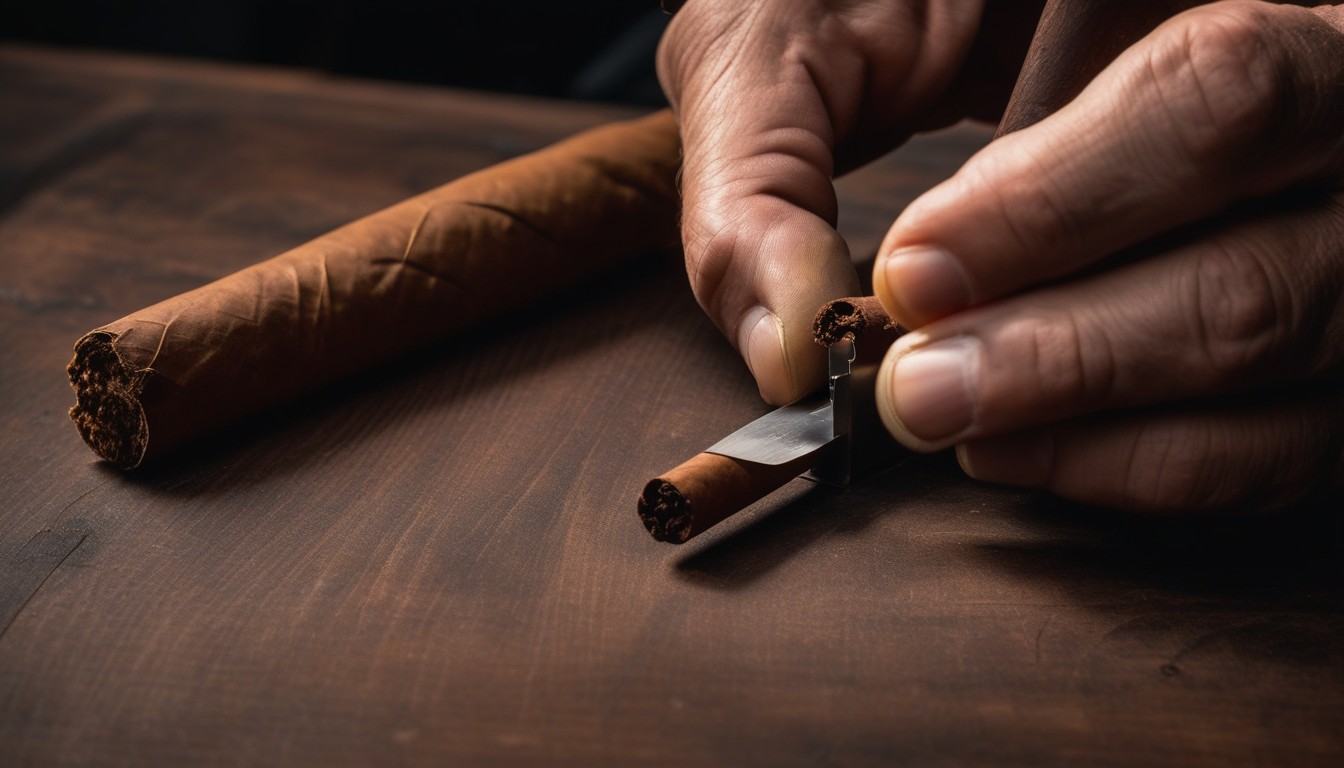
Make the cut:
- Locate the cap (the sealed end you'll smoke from)
- Position your cutter about 1/16" to 1/8" from the cap line
- Make a swift, confident cut—hesitation causes tearing
- Blow through the cigar lightly to check for good airflow
Step 4: Light Your Cigar Properly

This is where many beginners make mistakes. Take your time:
The Toast:
- Hold the cigar at a 45-degree angle
- Keep the flame about 1 inch from the foot
- Rotate the cigar slowly while the foot begins to glow
- Wait until you see an even orange glow around the entire foot
The Light:
- Place the cigar in your mouth
- Draw gently while continuing to rotate
- Keep the flame close but not touching the tobacco
- Continue until smoke flows freely and evenly
Check your work:
- Blow gently on the foot—it should glow evenly
- If one side is burning faster, touch up with your lighter
Step 5: Enjoy the Smoke

Now the real pleasure begins:
Smoking technique:
- Don't inhale. Cigar smoke is meant to be tasted, not breathed into your lungs
- Draw smoke into your mouth, hold briefly, taste the flavors, then exhale
- Take a puff every 30-60 seconds—rushing creates heat and bitterness
- Let ash accumulate to about an inch before gently tapping it off
What to taste for:
- First third: Often lighter notes—cream, cedar, vanilla
- Second third: Flavors develop—coffee, nuts, leather may emerge
- Final third: Intensifies—pepper, earth, and complexity
Signs of proper smoking:
- Consistent burn line
- Firm, light gray ash
- Comfortable flavor without harshness
Step 6: Create the Right Environment
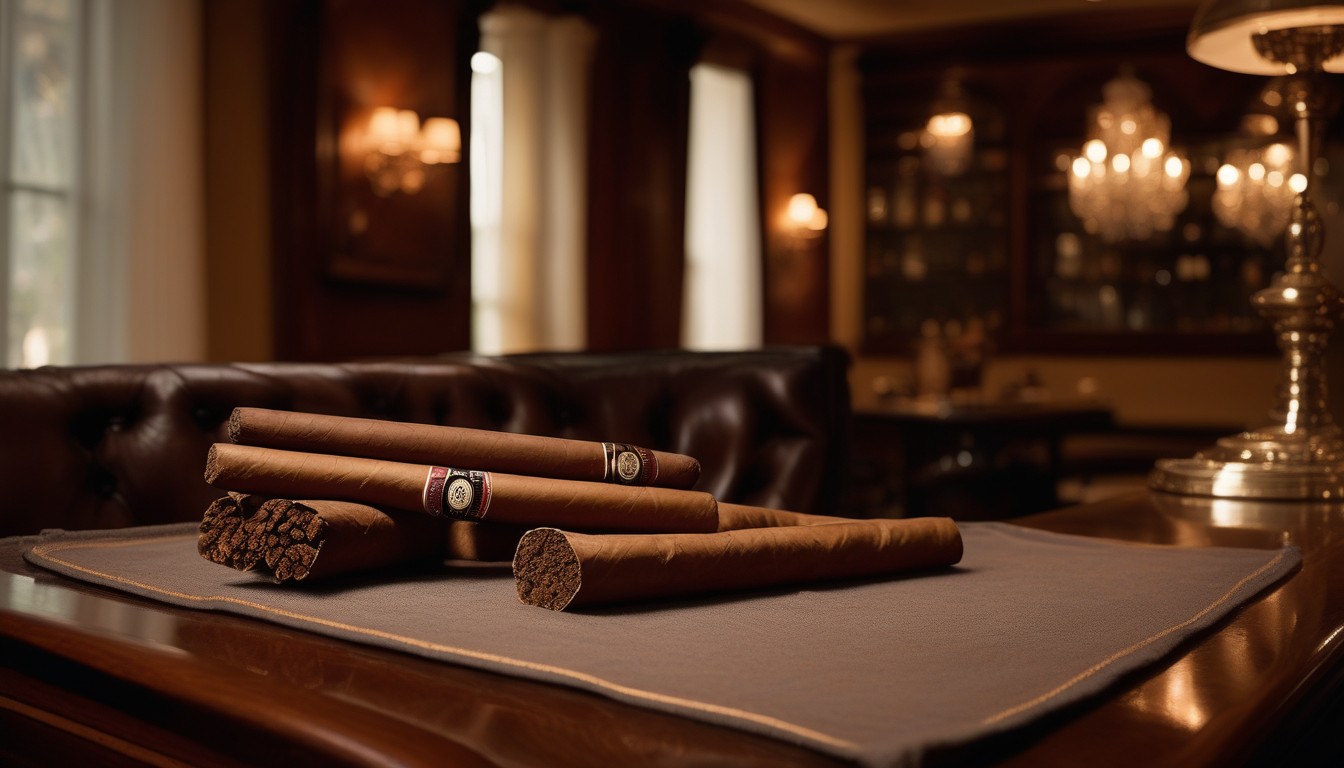
Where and when you smoke matters:
Choose your setting:
- Outdoors: Patios, balconies, gardens
- Indoors: Well-ventilated spaces, cigar lounges
- Consider others—smoke drifts and lingers
Pair with a beverage:
- Coffee (morning or afternoon cigars)
- Whiskey or bourbon (evening)
- Port or dark rum
- For beginners: water helps cleanse the palate
Set aside time:
- A Robusto takes 45-60 minutes
- Don't rush—cigars are for relaxation
- Avoid smoking when stressed or distracted
Step 7: Know When to Stop
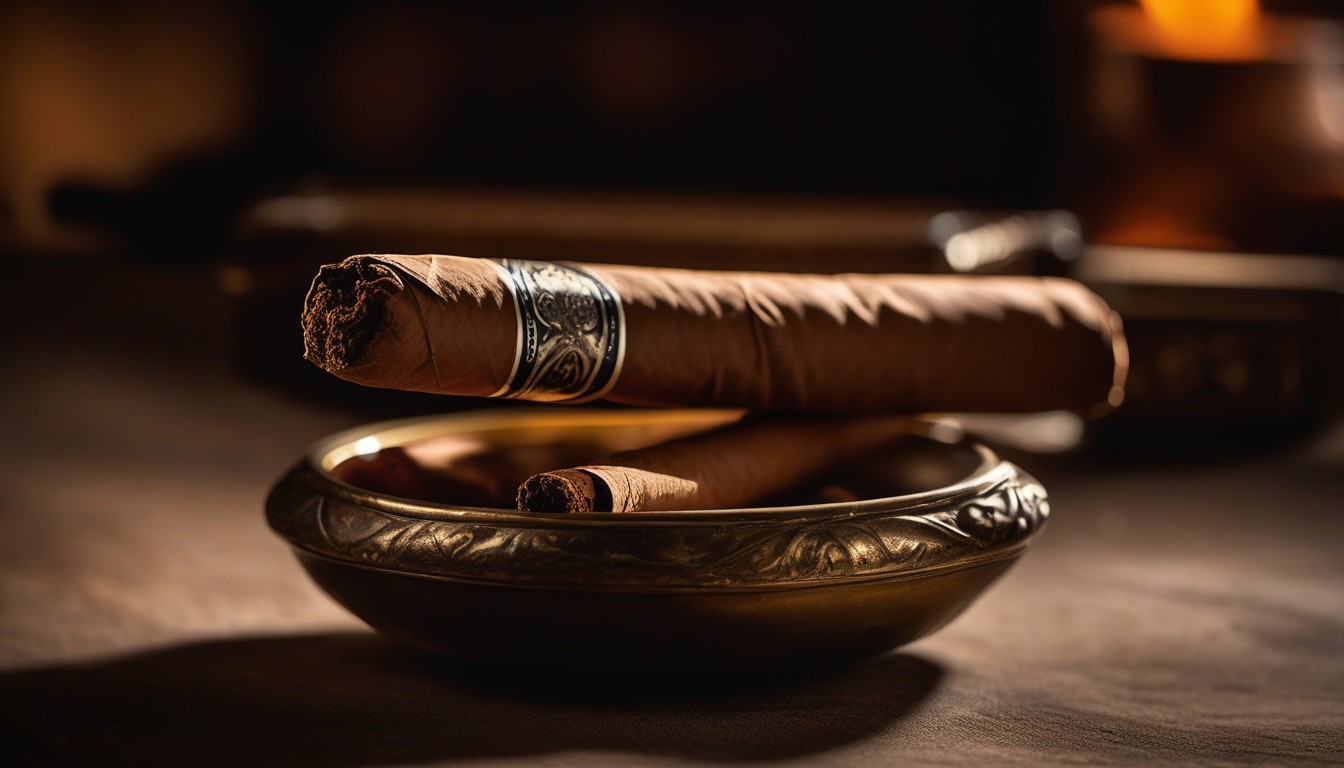
Unlike cigarettes, cigars aren't smoked to a stub:
- Stop when about 2 inches remain (or when heat becomes uncomfortable)
- Never crush out a cigar—let it die naturally in the ashtray
- The final third is often the strongest; it's okay to stop earlier
- If a cigar goes out, you can relight it (though some flavor change is normal)
Common beginner mistakes to avoid:
- Smoking too fast (causes heat and bitterness)
- Cutting too much off the cap (wrapper unravels)
- Letting the cigar go out repeatedly
- Inhaling the smoke
Step 8: Store Any Cigars Properly
If you've purchased multiple cigars or want to save one for later:
Short-term (1-2 weeks):
- Ziplock bag with a damp (not wet) paper towel
- Keep in a cool, dark place
Long-term:
- Invest in a humidor
- Maintain 65-70% humidity
- Store at 65-70°F
- Never refrigerate or freeze
Step 9: Continue Your Education
Welcome to a lifelong journey:
Try different things:
- After a few mild cigars, try medium-bodied options
- Explore different origins: Nicaragua, Dominican Republic, Honduras
- Sample various wrapper types: Natural, Maduro, Habano
Join the community:
- Visit local cigar lounges
- Follow cigar forums and reviews
- Attend cigar events and tastings
Keep notes:
- Record what you smoke and your impressions
- Note what you enjoyed and didn't
- Your palate will evolve over time
Step 10: Embrace the Ritual

More than flavor, cigars offer:
- Relaxation: Forced pause from a busy life
- Connection: Shared experiences with friends
- Reflection: Quiet time for thought
- Celebration: Mark life's special moments
Every cigar tells a story—of the tobacco, the craftsmen, and now, of your experience enjoying it.
Final Thoughts
Your first cigar may not be perfect, and that's okay. Like fine wine or whiskey, appreciating cigars takes time and experience. Start with quality mild cigars, use proper technique, and give yourself time to develop your palate.
Most importantly, cigars should be enjoyed. Don't stress about doing everything perfectly—the goal is relaxation and pleasure. Welcome to the brotherhood of the leaf.
Ready to find your first cigar? Use our AI-powered recommendations to discover the perfect starter cigar for your taste preferences.