I used to work in wine. Spent years at a Napa Valley estate pouring Cabernet for tourists and explaining how the same Bordeaux grape tastes completely different when you plant it in California versus Chile versus Australia. Terroir, we called it -- the idea that soil, climate, and place leave a fingerprint on every leaf. When I moved into cigars, I found the exact same principle at work, just with tobacco instead of grapes.
If this were a wine tasting, I'd line up four glasses and ask you to tell me which one came from limestone soil versus volcanic ash. With cigars, we're doing the same thing -- four countries, four flavor profiles, four distinct tobacco traditions. Understanding where your cigar comes from is one of the fastest ways to figure out what you actually like.
Why Origin Matters More Than You Think
Here's the thing most cigar smokers don't realize early on: the country of origin affects flavor as much as the wrapper color, sometimes more. You could take the same seed variety -- say, Criollo 98 -- plant it in Nicaragua's Jalapa Valley and again in the Dominican Republic's Cibao Valley, and end up with two very different tobaccos. The Nicaraguan version will likely have more pepper and body. The Dominican will probably be smoother and more nuanced.
This isn't marketing. It's agriculture. Soil mineral content, altitude, rainfall patterns, and curing traditions all shape the final leaf. Think of it like coffee -- a bean grown in Ethiopia tastes nothing like one from Colombia, even if they started as the same variety. If you're interested in how wrapper colors affect flavor, origin adds another layer entirely.
Cuba: The Old World Benchmark
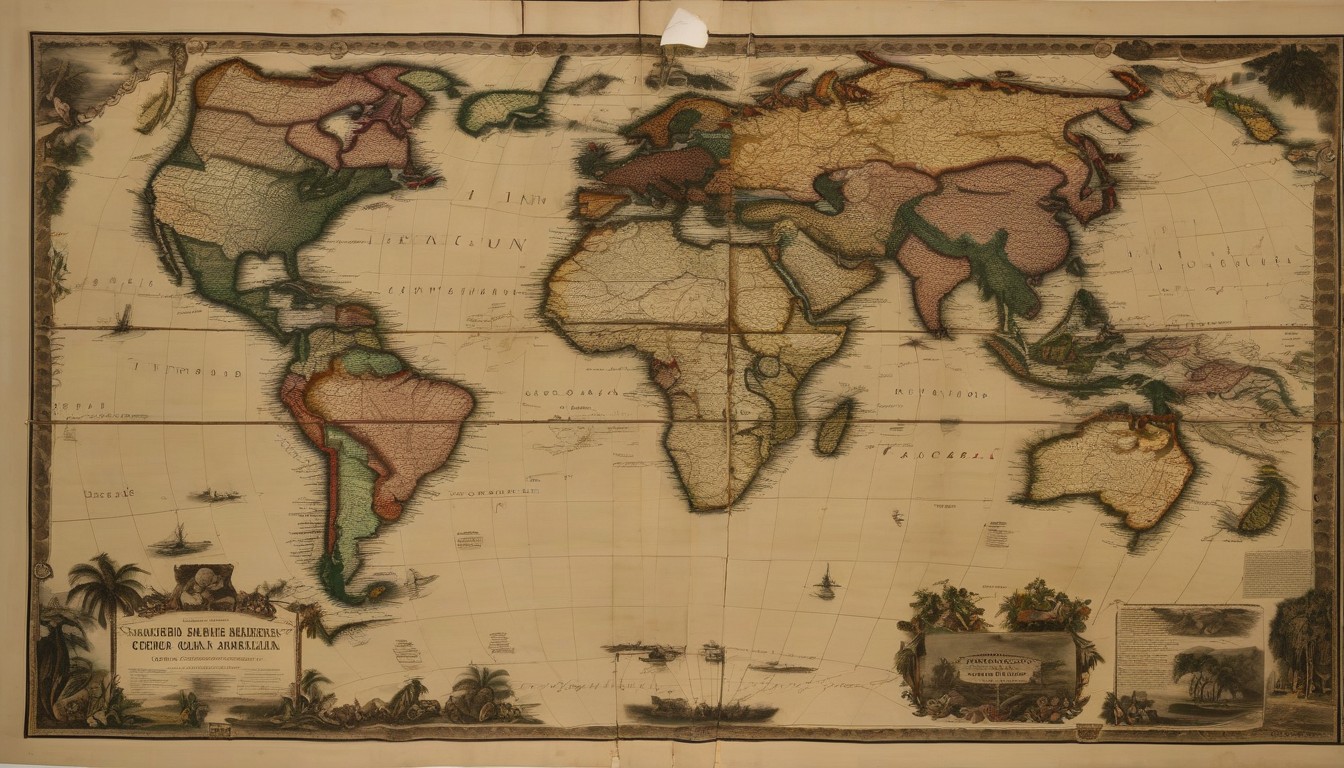
Let's start with the elephant in the room. Cuba is to cigars what Burgundy is to Pinot Noir -- the historical benchmark that everything else gets measured against. The Vuelta Abajo region in Pinar del Rio province produces what many consider the finest tobacco on earth, and they've been doing it since the 1500s.
The flavor profile: Cuban tobacco has an earthiness that's hard to replicate. Think barnyard, wet clay, dried herbs, and a twang that aficionados call "Cuban funk." There's a mineral quality too -- almost like licking a river stone, which sounds weird until you taste it and realize that's exactly what it is. The best Cubans have a complexity that shifts constantly, like a wine that keeps revealing new layers.
Classic Cuban marks: Cohiba, Montecristo, Partagas, Romeo y Julieta, Bolivar, H. Upmann. Each house has its own character within the broader Cuban terroir.
The catch: Quality control has been wildly inconsistent for decades. A box of Cuban Cohibas might have three perfect cigars and two that are plugged beyond repair. You're paying a premium for the name and the terroir, but you're also gambling on construction. I've had $30 Cuban sticks that smoked worse than a $5 Padron.
If this were a wine: Cuban cigars are old-world Burgundy. When they're great, they're transcendent. When they're not, you just paid a lot for disappointment. Terroir-driven, sometimes inconsistent, always interesting.
Nicaragua: The Bold New World
Nicaragua is the Napa Valley of cigars -- a region that was dismissed by purists for decades and now regularly outperforms the old guard. The volcanic soil in regions like Esteli, Jalapa, Condega, and Ometepe produces tobacco with serious intensity and character.
The flavor profile: Nicaraguan tobacco hits you. There's black pepper, espresso, dark chocolate, leather, and a mineral backbone that comes from all that volcanic soil. Jalapa tends to be slightly smoother and sweeter. Esteli brings the power. Condega sits somewhere in between. The best Nicaraguan puros have a richness that reminds me of a barrel-aged Zinfandel from Dry Creek -- dense, concentrated, and unapologetic about its intensity.
The powerhouses: Padron, My Father, Oliva, Joya de Nicaragua, AJ Fernandez, Plasencia. These families have been farming Nicaraguan soil for generations, and it shows. The Padron 1926 is basically the Screaming Eagle of Nicaraguan cigars -- you know it's going to be spectacular before you even light it.
The advantage: Consistency. Nicaraguan manufacturers, particularly Padron and My Father, have quality control that puts most Cuban factories to shame. You know what you're getting, stick after stick, box after box. When I'm recommending cigars to someone who wants reliable excellence, I'm usually pointing them toward Nicaragua.
If this were a wine: Nicaraguan cigars are Napa Cabernet. Bold, fruit-forward (if fruit meant pepper and espresso), impeccably crafted, and occasionally criticized for being "too much." But nobody's questioning the quality.
Dominican Republic: The Elegant Middle Ground
The Dominican Republic is the world's largest cigar producer by volume, and it occupies a space in the cigar world similar to what Bordeaux represents in wine -- classic, refined, and broadly appealing. The Cibao Valley, particularly the Santiago and La Vega regions, has been producing tobacco since Columbus showed up.
The flavor profile: Dominican tobacco tends toward elegance rather than power. Cream, cedar, white pepper, almond, and a natural sweetness that doesn't need any help. The soil in the Cibao is fertile and well-drained, producing leaves that are thinner and more delicate than their Nicaraguan counterparts. There's a floral quality to the best Dominican tobaccos that I can only compare to the perfume of a well-aged Margaux.
The heavy hitters: Arturo Fuente, Davidoff, Ashton, La Flor Dominicana, La Aurora. The Fuente family alone has been shaping Dominican cigar making for over a century, and the Fuente Fuente OpusX proved that Dominican tobacco could compete with anyone in terms of complexity and depth.
The surprise: Don't mistake smooth for boring. Dominican cigars can have plenty of complexity -- they just deliver it more quietly. The Arturo Fuente Hemingway Short Story is a masterclass in how Dominican tobacco can be simultaneously mild and fascinating. La Flor Dominicana's Andalusian Bull, on the other hand, will absolutely kick you in the teeth. Dominican doesn't automatically mean mild.
If this were a wine: Dominican cigars are Bordeaux. Structured, balanced, sometimes understated, with a refinement that rewards patience. The ones that age well become something extraordinary.
Honduras: The Underrated Fourth Country
Honduras is the one that doesn't get enough respect, and it drives me crazy. The Jamastran Valley, Copan, and Danli regions produce tobacco that's earthy, robust, and distinctly different from its neighbors. If Nicaragua is Napa and the Dominican is Bordeaux, Honduras is the Rhone Valley -- making serious, terroir-driven stuff that flies under the radar.
The flavor profile: Honduran tobacco brings earth. Lots of it. Rich soil, leather, nuts, and a woodsy character that's unique to the region. There's less of the sharp pepper you get from Nicaragua and more of a rounded, savory quality. The best Honduran cigars have a meaty, almost umami quality -- think grilled mushrooms and aged cheese rather than dark chocolate and espresso.
The standard bearers: Alec Bradley, Camacho, Rocky Patel (several lines use Honduran tobacco), Punch, and Hoyo de Monterrey. The Camacho factory in Danli is producing some seriously good cigars right now, and Alec Bradley's Prensado is one of the best examples of what Honduran tobacco can do.
The evolution: Honduras went through a rough period in the early 2000s when blue mold devastated crops. But the recovery brought better farming practices and a new generation of tobacco that's richer and more refined than the old-school Honduran leaf. Today's Honduran cigars are dramatically better than what the country was producing twenty years ago.
If this were a wine: Honduran cigars are Northern Rhone Syrah. Earthy, savory, a little wild, with a depth that creeps up on you rather than announcing itself. Undervalued by the market, loved by people who know.
The Blend Factor: Why Most Cigars Are Multi-National
Here's where the single-origin analogy gets complicated: most premium cigars use tobacco from multiple countries. A typical non-Cuban cigar might have a Connecticut wrapper (grown in Ecuador from Connecticut seed), a Dominican binder, and Nicaraguan filler. The blender is basically a chef working with ingredients from different farms.
This is why you'll see the Liga Privada No. 9 listed as a Nicaraguan cigar -- the majority of its filler is Nicaraguan -- even though it uses Connecticut Broadleaf wrapper and Honduran and Nicaraguan binder. The blender, in this case Willy Herrera at Drew Estate, is combining terroirs the way a winemaker might blend Cabernet from three different vineyard blocks.
Puros -- cigars made entirely from one country's tobacco -- are where you taste terroir most clearly. A Padron is a Nicaraguan puro. An Arturo Fuente Don Carlos is a Dominican puro. These are your single-vineyard bottlings, the clearest expressions of a region's character.
Side-by-Side Tasting: How to Train Your Palate
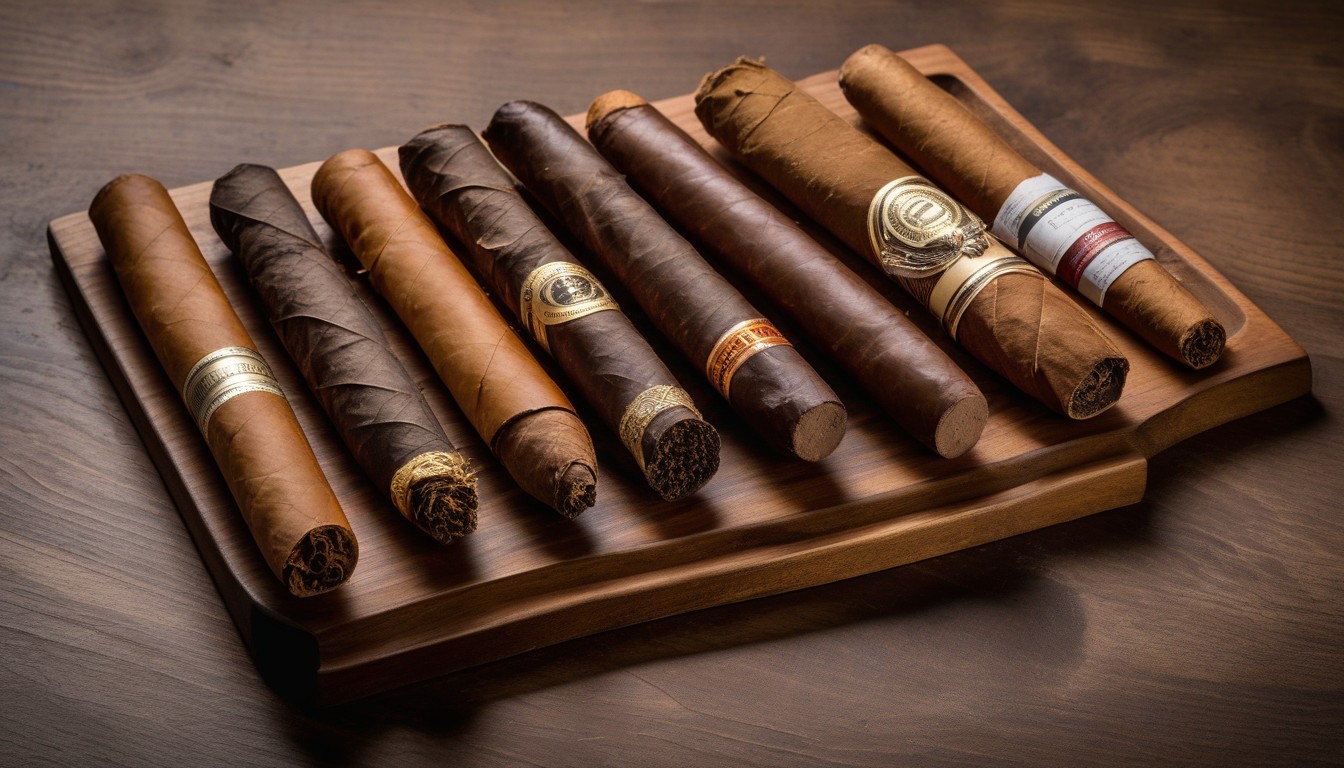
Want to actually taste the difference? Here's my suggested tasting flight -- four cigars, one from each country, at comparable price points and strength levels:
Cuba: Montecristo No. 4 (if you can get genuine ones). Medium body, the classic Cuban earth-and-herb profile.
Nicaragua: Padron 3000 Natural. Medium-full, with that trademark Nicaraguan pepper and cocoa.
Dominican Republic: Arturo Fuente Hemingway Short Story. Medium, with cream, cedar, and natural sweetness.
Honduras: Alec Bradley Prensado Robusto. Medium-full, earthy and leathery with a savory finish.
Smoke them on different days (your palate needs rest between cigars), and take notes. You'll start to build a vocabulary for what each country brings to the blend. Understanding your cigar strength preferences helps too -- it tells you which origin's profile will match your palate best.
My Personal Rankings (Fight Me)
After fifteen years of tasting, here's where I land:
For consistency: Nicaragua wins, no contest. Padron's quality control alone earns this.
For elegance: Dominican Republic. When I want a cigar that whispers rather than shouts, I reach for Dominican.
For earth and savory notes: Honduras. Nothing else tastes quite like Honduran terroir.
For the experience: Cuba, when it's good. A perfect Cuban cigar is still a transcendent thing. I just can't rely on it being perfect.
For everyday smoking: Nicaragua or Dominican, depending on my mood. My daily rotation is about 60% Nicaraguan, 30% Dominican, and 10% Honduran. Cubans are reserved for special occasions when I've verified the specific box is smoking well.
What the Soil Actually Does
Let me get slightly nerdy here, because this is fascinating. Nicaragua's volcanic soil is rich in nitrogen and potassium, which produces tobacco with higher nicotine content and bolder flavors. The Dominican Republic's limestone-rich Cibao Valley soil creates tobacco with more calcium, resulting in a whiter, more refined ash and smoother flavor. Honduras's clay-heavy soil in the Jamastran Valley gives tobacco its distinctive earthy character.
Altitude matters too. Higher-altitude tobacco (like what's grown in Nicaragua's Jalapa Valley or Honduras's Copan region) matures more slowly, developing more complex flavor compounds. It's the same reason high-altitude vineyards in Mendoza produce more concentrated wines than low-elevation sites.
Rainfall, curing methods, seed varieties -- it all stacks up. Two farms a mile apart can produce meaningfully different tobacco if the soil composition changes. That's terroir. It's real, it's measurable, and it's the reason a Nicaraguan puro tastes nothing like a Dominican one.
The Bottom Line for Cigar Buyers
When you're standing in a cigar shop and the tobacconist asks what you like, being able to say "I tend to prefer Nicaraguan puros" or "I'm a Dominican guy" is more useful than saying "I like medium-bodied cigars." Origin tells you more about what a cigar will taste like than almost any other single factor.
Here's the cheat sheet:
Like bold, peppery, intense? Start with Nicaraguan. Try Oliva Serie V Melanio or Padron 1964.
Like smooth, elegant, refined? Go Dominican. Try Ashton Cabinet or Arturo Fuente Don Carlos.
Like earthy, savory, robust? Honduran is your jam. Try Alec Bradley Prensado or Camacho Ecuador.
Like complex, funky, traditional? Cuban, if you can source them reliably. Try Bolivar or Partagas Serie D No. 4.
Or do what I do -- keep all four in your humidor and let the day choose the cigar. That's the real luxury of understanding origin. You're not guessing anymore. You know exactly what you're reaching for and why.