Think of a cigar wrapper the way a sommelier thinks about a wine bottle's label -- except in this case, the label is also the first thing you taste. The wrapper leaf accounts for roughly 60 to 70 percent of a cigar's flavor, making it the single most important component in shaping your smoking experience. Understanding wrapper colors and their associated flavor profiles is one of the fastest ways to sharpen your palate and choose cigars you will genuinely enjoy.
I spent years in tasting rooms learning to decode color and aroma before I ever picked up a cigar, and the parallels are striking. Just as a Pinot Noir's garnet hue hints at its bright acidity and red-fruit character, a cigar's wrapper color telegraphs a whole world of flavor before you even strike a match.
The Wrapper Color Spectrum
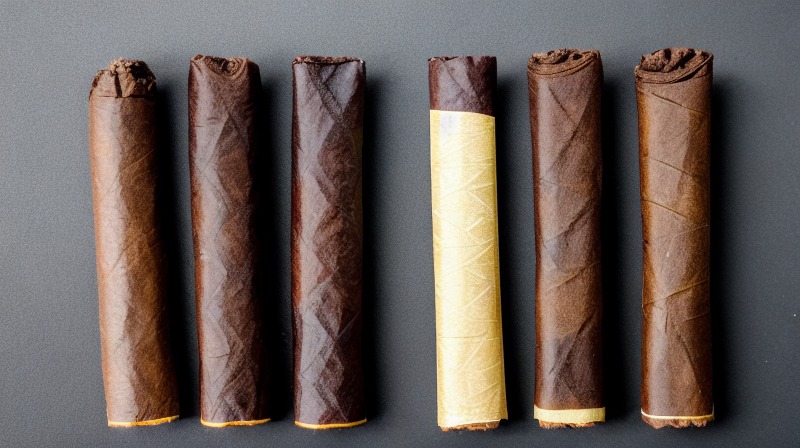
Cigar wrappers are broadly organized on a spectrum from light to dark. While exact naming conventions vary by manufacturer and region, the cigar industry generally recognizes seven primary color categories:
- Double Claro (Candela) -- Pale green to light yellow
- Claro -- Light tan, almost golden
- Colorado Claro -- Medium brown with a golden tint
- Colorado -- Reddish-brown, like a well-polished mahogany
- Colorado Maduro -- Darker brown with rich reddish undertones
- Maduro -- Very dark brown, almost chocolate
- Oscuro -- Near black, the darkest available
The color of a wrapper is determined by several factors: the tobacco varietal, where it was grown, the priming level (which leaf position on the plant), and crucially, how long and intensely the leaf was fermented. Higher primings receive more sunlight, producing thicker, darker leaves with more oils and sugars.
Double Claro and Claro: The Light End
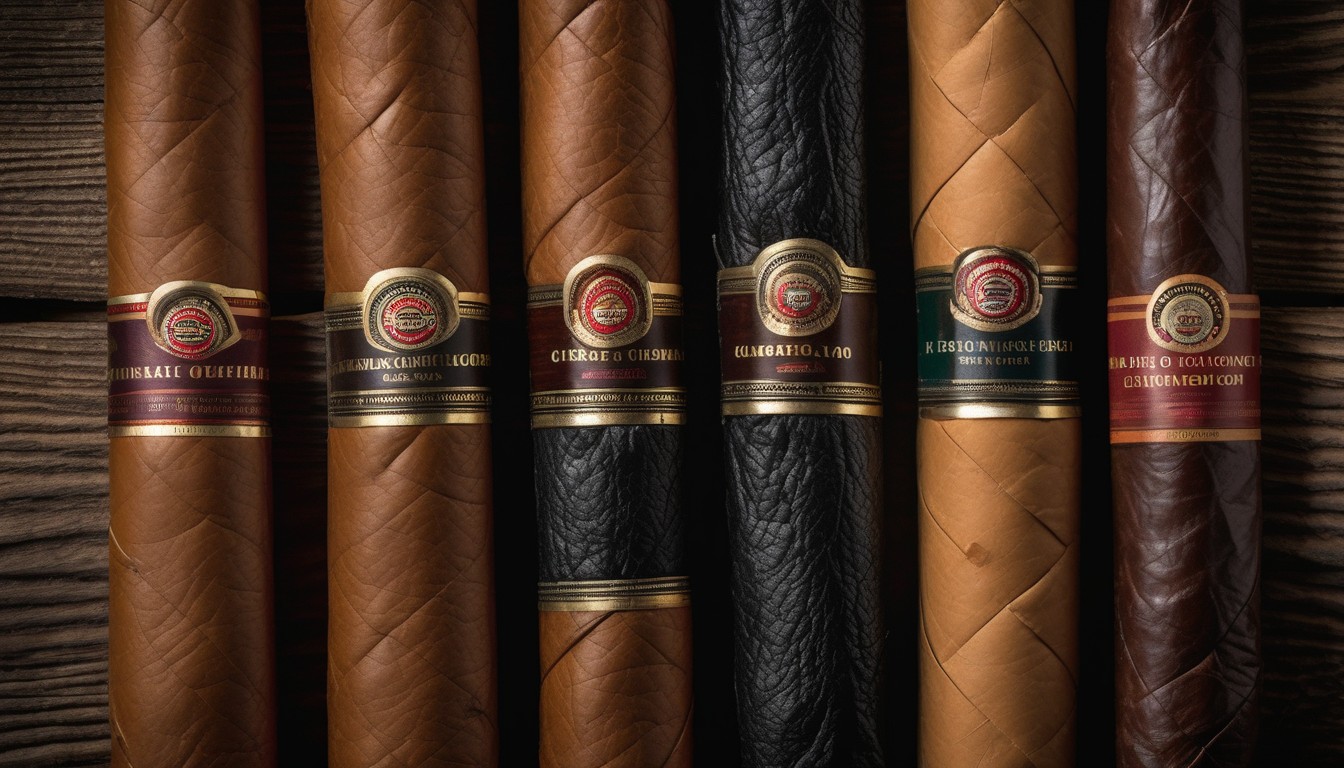
Double Claro, sometimes called Candela, is that distinctive green wrapper you may have seen on older-style cigars. The green color is achieved by rapidly drying the leaf with heat to lock in chlorophyll. These were enormously popular in the American market through the 1970s and are making a modest comeback. Flavor-wise, think of them as the Sauvignon Blanc of cigars -- crisp, grassy, and light with a slightly sweet finish.
Claro wrappers, often grown under shade cloth in Connecticut's river valley or in Ecuador, are the classic "smooth and mild" option. The shade-growing process protects the leaf from direct sunlight, keeping it thin, delicate, and light in color. If you have ever enjoyed a Davidoff Aniversario or an Ashton Classic, you have experienced a quality Claro wrapper. The flavor profile leans toward cream, light cedar, and a gentle nuttiness -- an excellent gateway for beginners exploring their first premium cigars.
Colorado Claro and Colorado: The Sweet Spot
This is where things get interesting for my palate. Colorado Claro wrappers occupy a beautiful middle ground -- enough body to be flavorful, enough restraint to remain elegant. Think of a well-made Burgundy: complexity without heaviness. Cameroon wrappers are a stellar example of this range, delivering toasty, slightly spicy notes with an underlying sweetness.
The Colorado shade -- that gorgeous reddish-brown -- is often associated with Habano seed wrappers grown in Nicaragua, Honduras, or Ecuador. The Arturo Fuente Hemingway series uses a beautiful Cameroon wrapper that sits in this range, offering a sweet, cedary complexity that earned it iconic status. If you enjoy these mid-range wrappers, you should definitely read our Hemingway Short Story review for a perfect example of what this color category can deliver.
I liken Colorado wrappers to a robust Syrah -- you get dark fruit, pepper, and spice, but with enough structure to keep everything in balance.
Colorado Maduro and Maduro: The Dark Side
Now we are entering the realm of bold, rich, and deeply satisfying flavors. Colorado Maduro wrappers have been fermented longer than their lighter counterparts, developing pronounced sweetness alongside earthy, leathery complexity. Many of the world's most acclaimed cigars live in this range -- the Padron 1926 Serie, for instance, uses a gorgeous Colorado Maduro wrapper that delivers waves of cocoa, espresso, and dried fruit.
True Maduro wrappers are the result of extended fermentation, sometimes lasting months or even years. The process caramelizes the natural sugars in the leaf, producing a wrapper that is dark brown to nearly black. The flavor payoff is enormous: chocolate, coffee, molasses, dark fruit, and a natural sweetness that can be almost dessert-like. The Liga Privada No. 9 with its Connecticut Broadleaf Maduro wrapper is a textbook example of what a great Maduro can do -- check out our detailed Liga Privada review if you want to dive deeper.
For a comprehensive exploration of everything Maduro, our Maduro Wrappers Guide covers fermentation methods, regional variations, and top recommendations.
Oscuro: The Final Frontier
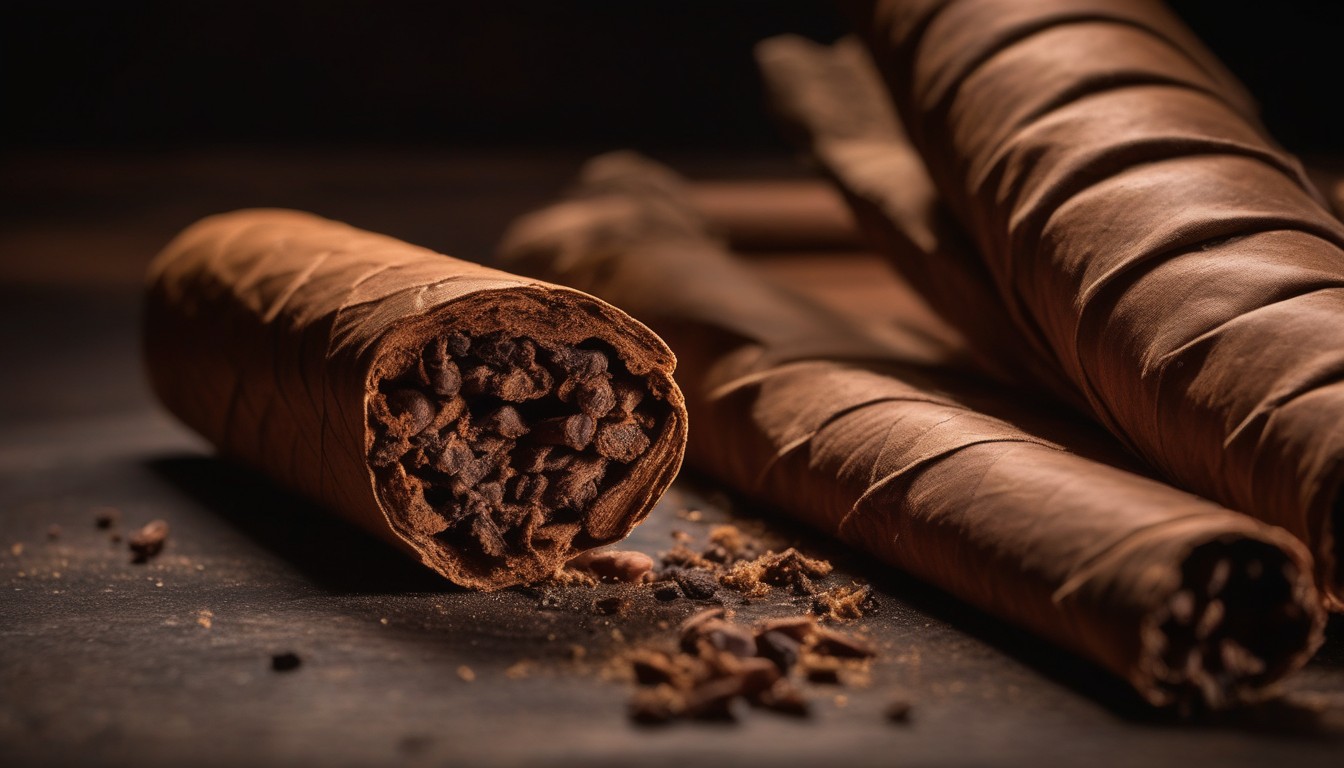
Oscuro wrappers are the darkest of the dark -- fermented to an extreme degree, sometimes using leaves from the very top of the tobacco plant (the ligero priming) that have soaked up maximum sunlight. These are not for the faint of heart. The flavor profile is intense: bitter chocolate, black coffee, charred wood, and a robust, sometimes almost savory quality.
Oscuro wrappers are less common because they require significantly more time and effort to produce, and not every leaf can survive the extended fermentation without falling apart. When you find a well-made Oscuro cigar, it can be a revelation -- like discovering an aged Barolo that has developed layers of complexity you did not know were possible.
How Wrapper Color Connects to Strength
Here is a critical nuance that trips up many newcomers: wrapper color does not always predict strength. A dark Maduro wrapper can actually be sweeter and smoother than a lighter Colorado wrapper, because the extended fermentation breaks down harsh compounds while concentrating sugars.
Strength -- that is, the nicotine impact -- is determined more by the filler and binder tobaccos than the wrapper alone. A cigar with a mild Connecticut shade wrapper can pack a serious punch if it is filled with potent Nicaraguan ligero. Conversely, a dark Maduro wrapper over mild Dominican filler can be a surprisingly gentle smoke.
The lesson? Use wrapper color as a guide to flavor profile, not as a reliable strength indicator. For a deeper dive into navigating cigar strength, our Cigar Strength Guide breaks it all down.
Regional Wrapper Differences
Where a wrapper leaf is grown has an enormous impact on its character, just as terroir defines wine:
- Connecticut (USA) -- Grown under shade tents in the Connecticut River Valley. Produces classic mild, creamy wrappers. Think buttery Chardonnay.
- Ecuador (Connecticut Seed) -- Ecuadorian cloud cover acts as a natural shade tent. Produces slightly thicker, more flavorful leaves than American Connecticut. A rich Viognier equivalent.
- Cameroon -- African-grown wrappers with a distinctive toasty, slightly sweet, mildly spicy character. The Cotes du Rhone of the cigar world.
- Habano (Various Origins) -- Cuban-seed tobacco grown in Nicaragua, Honduras, or Ecuador. Delivers pepper, spice, and leather. This is your Cabernet Sauvignon.
- San Andres (Mexico) -- Naturally dark, earthy wrappers with chocolate and coffee notes. Often used for Maduro cigars. A robust Malbec.
- Connecticut Broadleaf (USA) -- Thick, dark, toothy leaves grown in full sun. The premier American Maduro wrapper. An aged Port.
Practical Tips for Choosing by Wrapper
After years of analyzing flavors -- first in wine, now in cigars -- here is my practical framework for using wrapper color to guide your selections:
Morning or light occasions: Reach for Claro or Colorado Claro wrappers. A Davidoff Grand Cru or Perdomo Champagne pairs beautifully with coffee.
Afternoon, post-meal: Colorado to Colorado Maduro wrappers shine here. An Oliva Serie V Melanio or My Father Le Bijou 1922 delivers enough complexity to stand on its own.
Evening or after a rich meal: Maduro and Oscuro wrappers come into their own. The sweetness and depth of a Padron 1964 Anniversary Maduro or a Liga Privada Unico Serie complement whiskey, port, or dark chocolate.
If you are just starting out: Begin with Colorado Claro or Connecticut wrappers and gradually work darker as your palate develops. There is no rush -- discovering each wrapper shade for the first time is one of the great pleasures of this hobby.
The Wrapper's Role in the Blend
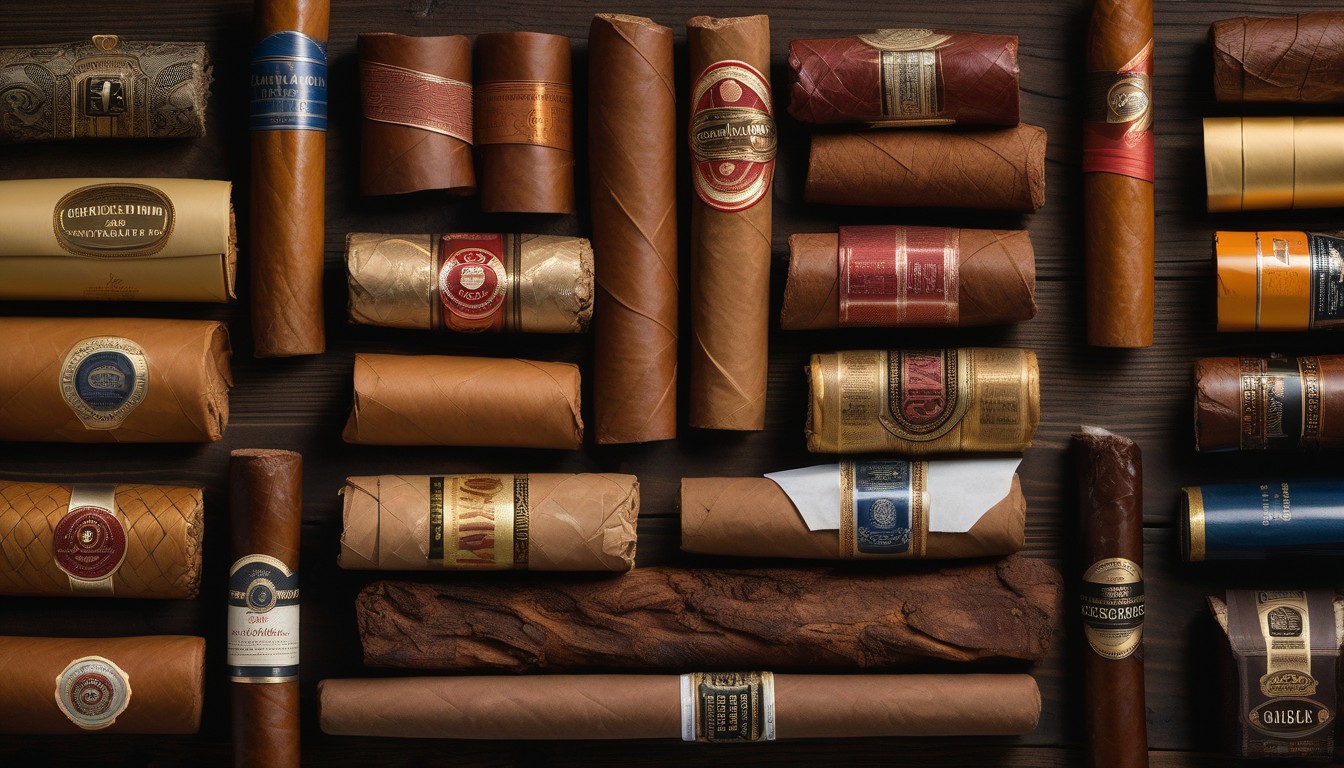
It is worth remembering that a cigar is a blend of three components: wrapper, binder, and filler. The wrapper gets the most attention because it is visible and contributes the most to flavor, but a masterful blender balances all three. A stunning wrapper on a poorly constructed cigar is like a gorgeous label on cheap wine -- it might look the part, but it will not deliver.
The best cigar makers -- Padron, Fuente, Pepin Garcia -- treat the wrapper as part of a holistic blend. They select wrapper, binder, and filler tobaccos that complement and amplify each other. When it all comes together, you get a cigar where every component sings in harmony.
Final Thoughts
Understanding wrapper colors is not about memorizing a chart -- it is about training your palate to anticipate and appreciate the flavors each wrapper type brings. Just as years of tasting wine taught me to read a glass before I drink from it, learning the wrapper spectrum teaches you to read a cigar before you light it.
Start paying attention to the wrapper on every cigar you smoke. Note the color, the oiliness, the texture. Over time, you will develop an intuitive sense for what you like, and the wrapper will become your most reliable guide to discovering your next favorite smoke.