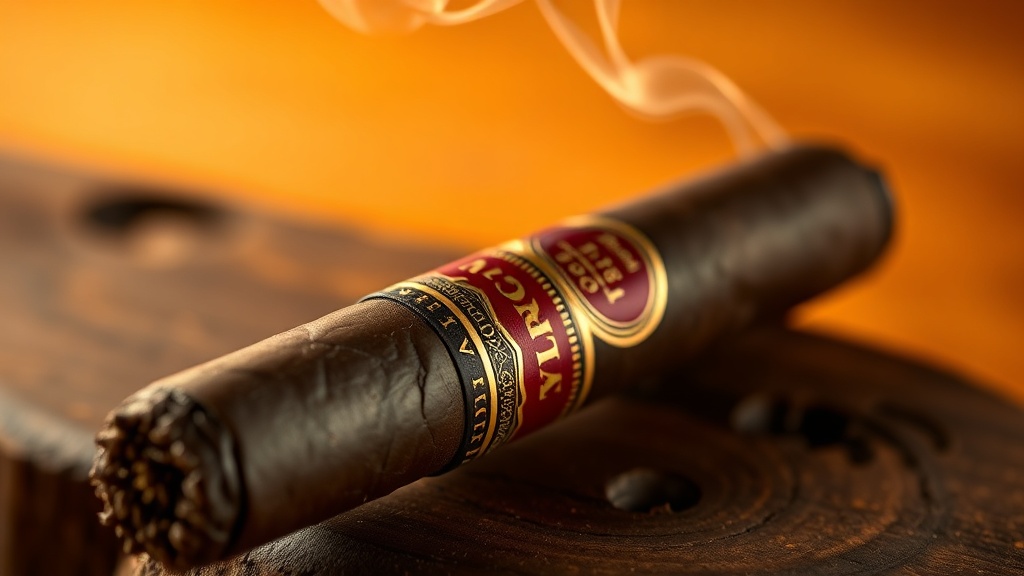
I remember the first time someone handed me a Padron 1926. I was at a lounge in Napa—one of those places where the leather chairs are older than most of the wines on the shelf—and a retired vintner sitting across from me slid a box-pressed torpedo across the table like he was passing a secret. "You strike me as someone who'd appreciate this," he said. I was still in my sommelier days, and I'd been rambling about tannin structure in Barolo for twenty minutes. He was probably just trying to shut me up.
But that cigar changed something. I'd been dabbling in cigars for a couple years at that point, mostly Ashtons and the occasional Fuente. The Padron 1926 No. 9 was the cigar that made me realize tobacco could be every bit as complex as wine. And I'm probably biased because of that memory, but I've smoked dozens of these since, and the experience holds up every single time.
The Specs
The 1926 Serie was created in 2002 to celebrate Jose Orlando Padron's 75th birthday—though the "1926" refers to his birth year, not the cigar's debut. [For the history nerds: Jose Orlando fled Cuba in 1964 with just $600 and a dream, started making cigars in Miami's Little Havana, and built what's now one of the most respected names in the industry.] The No. 9 is a 5.25 x 56 box-pressed robusto that uses tobacco aged a minimum of five years, with some leaves going as long as ten. It's a Nicaraguan puro—wrapper, binder, and filler all sourced from Padron's own farms in the Jalapa Valley. Available in both Natural and Maduro, though I'm reviewing the Maduro today because, full disclosure, I think the Maduro is the superior version and I'll argue with anyone about it.
At roughly $25-30 per stick depending on your market, this isn't your Tuesday night smoke. But we'll get to value in a minute.
Construction and First Impressions
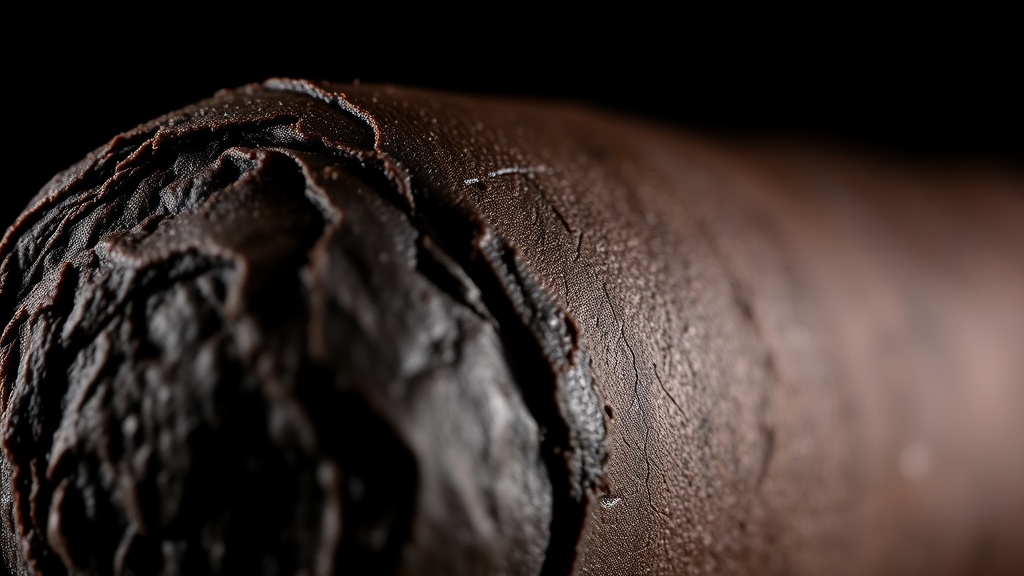
The box-press on this thing is genuinely perfect. I've handled a lot of box-pressed cigars that feel like someone sat on them, but Padron's pressing is precise—firm edges, symmetrical proportions, and a wrapper so seamless you'd think it was painted on. The Maduro wrapper is a deep, oily chocolate brown with a slight sheen that catches light. There's a maroon and gold primary band plus a secondary anti-counterfeiting band underneath—Padron takes the counterfeit problem seriously, and given how good these are, I can't blame them.
The cold draw gives me cocoa, raisin, and a hint of barnyard earthiness. There's a weight to this cigar that tells you there's serious tobacco packed in here.
The First Third: Immediate Authority
Here's where it gets interesting. Most premium cigars take a third of the way through to really open up. The No. 9 announces itself from the very first draw. Rich, dark chocolate—not milk chocolate, think 85% cacao—layered with espresso and a black pepper that hits the back of the palate. If this were a wine, it'd be a perfectly aged Brunello: structured, layered, and completely self-assured.
The draw is effortless. I've never had a plugged Padron 1926, and at this point I'm starting to think it might be physically impossible. The burn line is razor-straight, producing a thick, creamy white smoke that fills the room.
There's a sweetness hiding underneath everything—almost like dark cherry or dried fig. It's subtle enough that you might miss it if you're not paying attention, but it adds this gorgeous depth that separates the 1926 from, say, a Serie 1964.
The Second Third: The Complexity Deepens
This is where I start geeking out. Around the halfway point, the espresso notes evolve into something more like Turkish coffee—sweeter, slightly cardamom-inflected. The pepper recedes and a creamy nuttiness takes over. Toasted almond, specifically. The smoke texture gets even thicker, almost chewy.
I could talk about this for hours, but the most remarkable thing about the second third is the retrohale. If you're not retrohaling this cigar, you're experiencing maybe sixty percent of what it has to offer. Through the nose, you pick up cinnamon, dried fruit, and a floral note that reminds me of the way a great Nebbiolo smells after two hours in a decanter. (Sorry, the sommelier in me can't help it.)
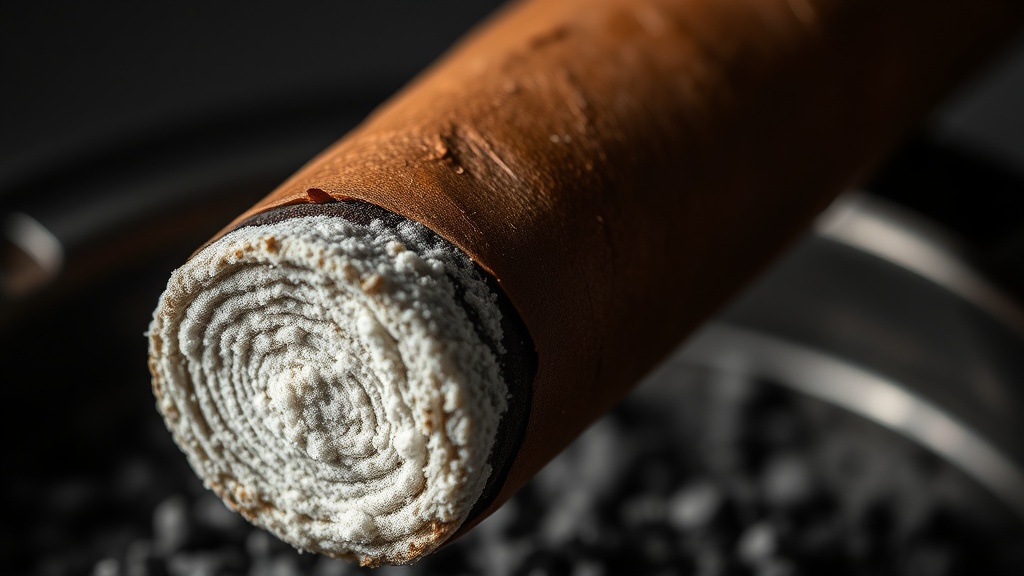
The ash holds firm past an inch and a half. White-gray, compact, and perfectly uniform. This is what happens when you age tobacco for half a decade before rolling it.
The Final Third: The Grand Finale
The last couple of inches bring a shift toward earthiness—rich loam, leather, and a coffee bitterness that's pleasant rather than harsh. The sweetness from the first third makes a comeback here, providing balance. There's a new note too: something almost like toasted oak, which, again, my wine brain can't help but compare to barrel aging.
The strength builds but never becomes aggressive. I'd call this full-bodied throughout, but the No. 9 has a smoothness that defies its strength. It's the cigar equivalent of a 15% ABV wine that drinks like 13%—you know the power is there, but it's so well-integrated you barely notice.
I smoked mine down to about an inch and a half, which is further than I usually go. I just didn't want it to end.
Burn and Draw
Flawless. That's the only word. The draw resistance is perfect—somewhere between effortless and just enough to engage the senses. Burn was dead even from start to finish with zero touch-ups needed. Smoke output was voluminous and consistent. Padron's quality control is legendary for a reason, and the 1926 Serie is where it shows most clearly.
The Value Question
Here's my hot take, and it's one that gets me some dirty looks at the lounge: the Padron 1926 No. 9 is actually underpriced. At $25-30, you're getting tobacco aged five to ten years, construction that borders on mechanical perfection, and a flavor profile that rivals Cuban cigars costing twice as much on the gray market. Compare that to some of the boutique "limited edition" cigars charging $20+ for two-year-old tobacco and inconsistent construction. The 1926 is the cigar that proves price and quality can actually correlate.
Now, is it a daily smoker for most people? No. But for a special occasion—or honestly, for a Tuesday when you've had a hell of a week—it delivers an experience that few cigars at any price can match.
Who Should Smoke This
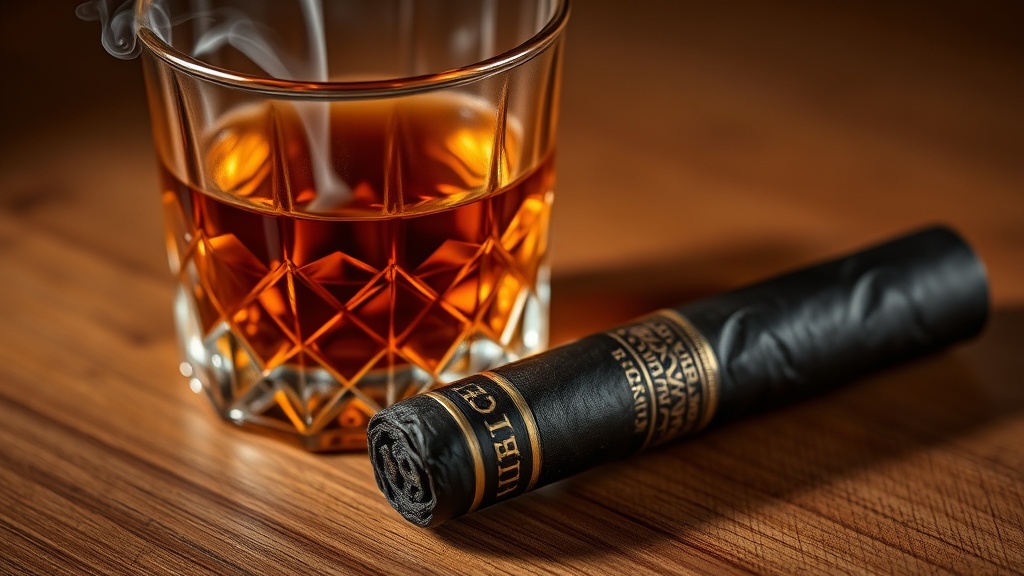
If you've been smoking for a while and you've worked through medium-bodied cigars, the No. 9 is where you should be heading. It's not a beginner cigar—not because it'll overwhelm you, but because you'd be wasting the complexity on an undeveloped palate. That said, if you're someone who drinks their coffee black and their whiskey neat, you might be ready sooner than you think.
James over at the site would tell you to buy two Oliva Serie V's instead of one Padron 1926. He's not wrong on the math, but he's wrong on the experience. Some things are worth the premium.
The Padron 1926 No. 9 isn't just one of the best Nicaraguan cigars on the market. It's one of the best cigars, period. I've been chasing that feeling from the Napa lounge for years now, and every time I light one up, I find it again.