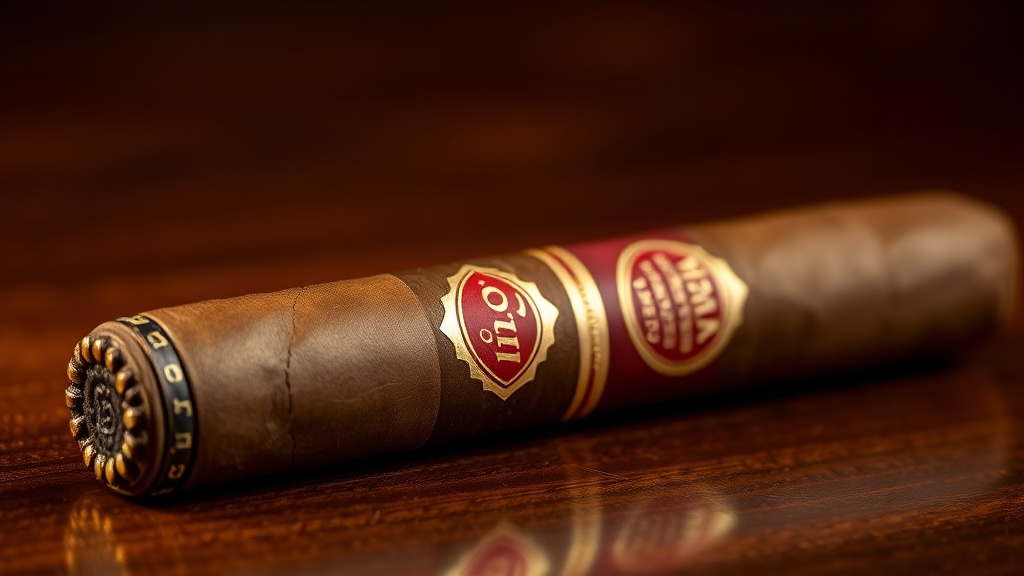
There's a cigar factory in Esteli, Nicaragua, that I visited in 2019—a trip that nearly didn't happen because I'd booked the wrong airport. (I ended up in Managua with no connecting flight and a cab driver who spoke faster Spanish than my ears could process.) But I made it to Oliva's operation, and standing in that aging room, surrounded by bales of tobacco that had been resting for years in the Nicaraguan humidity, I understood something about what patience means in this industry.
The Serie V Melanio is the product of that patience. Named after Melanio Oliva, the family patriarch who founded the tobacco dynasty in 1886 Cuba, this cigar represents the pinnacle of what the Oliva family produces. And in 2014, Cigar Aficionado agreed—the Melanio Figurado took their Cigar of the Year with a 96-point rating. Here's where it gets interesting: it wasn't some limited edition or impossible-to-find unicorn. It was a cigar you could actually walk into a shop and buy.
The Technical Breakdown
I'm reviewing the Robusto, which comes in a 5 x 52 box-pressed format. The wrapper is Ecuadorian Sumatra—a seed variety that, when grown in Ecuador's cloud cover, produces a leaf with a particular balance of sweetness and spice that's hard to replicate elsewhere. [The nerdy version: Sumatra seed was originally cultivated in Indonesia, transplanted to Ecuador in the mid-20th century, and the combination of volcanic soil, high altitude, and persistent cloud cover creates a microclimate that naturally matures the leaf with less direct sun exposure than you'd get in, say, Connecticut or Honduras.]
Binder and filler are Nicaraguan, sourced from Oliva's own farms in the Jalapa, Condega, and Esteli regions. The filler includes some of the oldest ligero leaves in Oliva's inventory—tobacco that's been aging in their warehouses for years before it ever sees a roller's table. The result is a medium-to-full-bodied cigar that's more nuanced than its strength suggests.
Price sits around $12-15 for the Robusto, which—and I'll get to this later—is genuinely remarkable for what you're getting.
Construction Notes
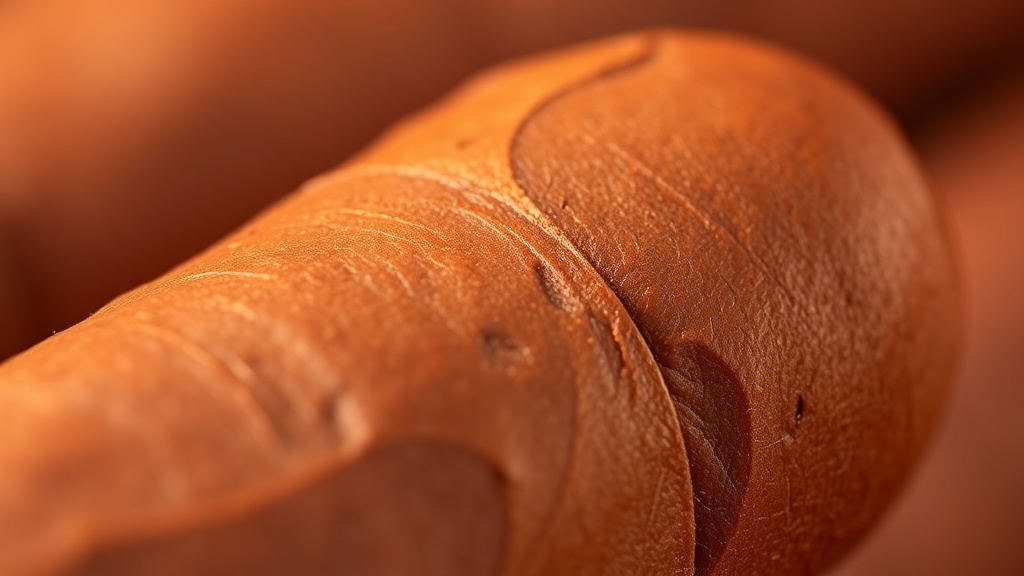
The box press on the Melanio is less aggressive than, say, a Padron 1926. It's got soft edges, almost pillow-like, which gives it a comfortable feel in the hand. The Ecuadorian Sumatra wrapper is a medium brown with a reddish hue—think the color of a well-used leather journal. Seams are tight and nearly invisible. The triple cap is applied precisely.
There's a satisfying heft to this cigar. Not heavy, but substantial. The cold draw delivers cedar, a touch of cocoa, and something faintly floral—like dried lavender, if I'm being specific. Pre-light aroma off the foot is toasted bread and dark chocolate.
First Third: The Opening Statement
The Melanio doesn't waste time. First draws bring toasted cedar and black pepper—not aggressive, but present. Within a few puffs, the pepper mellows into warm baking spice, and a rich, freshly-baked bread note emerges. It's like walking past a panaderia in the morning.
The smoke is silky. That's the word that keeps coming to mind. The texture is velvety smooth, which isn't something I usually expect from a medium-to-full cigar. There's an unsweetened cocoa note on the finish that provides a pleasant bitterness, like a well-pulled espresso.
Burn is even. Draw is perfect—enough resistance to slow you down without making you work. Smoke output is considerable for a 52-ring gauge.
Second Third: The Evolution
I could talk about this for hours, but the second third is where the Melanio earns its reputation. The bread note deepens into something richer—toasted grain, maybe pumpernickel. Creaminess develops, coating the palate with this lush, almost buttery quality. The cocoa from the first third transforms into genuine chocolate—semi-sweet, like a good truffle.
A nuttiness appears—roasted cashew or macadamia—and there's a subtle sweetness that's hard to pin down. It's not sugary. More like the natural sweetness you get from well-fermented tobacco, which is exactly what this is.
Retrohaling here gives you cinnamon and a white pepper that's more aromatic than sharp. The complexity at this stage rivals cigars costing twice as much, and I'm not just saying that. I've done side-by-side comparisons with the Padron 1964 Anniversary and the Melanio holds its own. (Michael Chen hot take alert: I think the Melanio's Ecuadorian Sumatra wrapper gives it an edge in sweetness over the Padron's Nicaraguan Habano. James would disagree, but James thinks anything under $8 is automatically better.)
Final Third: The Long Goodbye
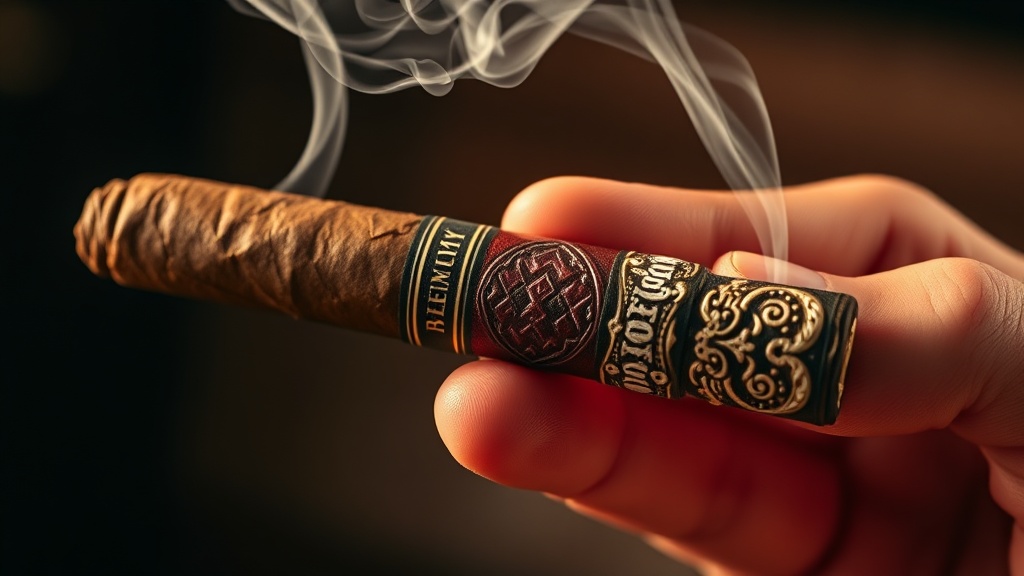
The last two inches shift toward earthiness and leather, which is typical for Nicaraguan fillers as you get closer to the nub. But the Melanio doesn't get harsh. The chocolate and cream persist, anchoring the profile while the earth and pepper build around them. There's a coffee note now—dark roast, no sugar—and a pleasant woodiness that reminds me of the aging room I walked through in Esteli.
Strength creeps up to solidly full-bodied territory, but the smoothness never falters. The Melanio manages to be powerful without being aggressive, which is a tightrope that many full-bodied cigars fall off of.
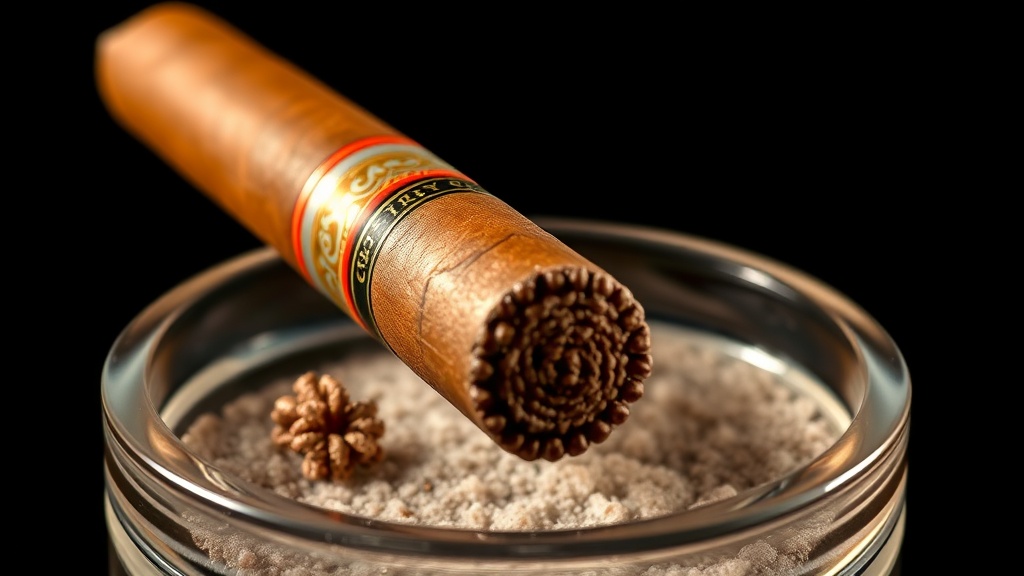
I smoked mine for just over an hour. The ash held in three long sections, each a consistent light gray.
Burn and Draw Performance
Excellent across the board. Burn line was razor-straight with zero touch-ups needed—I actually made a point of not rotating the cigar, just to test the burn, and it performed flawlessly. Draw resistance was ideal, and smoke production was generous. Oliva's rolling operation at the Tabacalera Oliva in Esteli is one of the most consistent in Nicaragua, and the Melanio benefits from their best rollers handling this line.
Value Assessment
At $12-15, the Oliva Serie V Melanio might be the single best value in premium cigars right now. Full stop. You're getting Cigar of the Year-quality tobacco, impeccable construction, and a flavor profile that evolves from start to finish. Compare that to the boutique brands charging $18-22 for cigars with inconsistent burns and one-note profiles. You can browse top-rated cigars at every price point on our cigar explorer.
My hot take: the Melanio should cost more than it does, and the only reason it doesn't is because Oliva has the farming and production scale to keep prices down. Enjoy it while it lasts, because I genuinely believe this cigar is underpriced for the market.
Who This Is For
If you're transitioning from medium-bodied cigars to full-bodied territory, the Melanio is your bridge. It's got the complexity and strength of a full-bodied smoke with the smoothness and approachability of a medium. It's also a fantastic cigar for experienced smokers who want something reliable without paying the premium-brand tax.
Keep a few in your humidor at all times. This is the cigar you reach for when you want something genuinely satisfying without overthinking it. And if you're the type who reads cigar reviews obsessively—hello, that's me—the Melanio is the cigar that reminds you why you got into this hobby in the first place.