
The top-rated Connecticut-shade cigar in our catalog is the Ashton Cabinet Selection No. 8, rated 4.7 at $14.45. These 12 came out of 106 priced, rated shade wrappers, one per brand. A 4.65 Sancho Panza Caballero costs $3.20. Ratings on this page span 0.10 of a point.
Price of 12 Connecticut-shade cigars, one per brand
The top rating, 4.70, starts at $14.45 with the Ashton Cabinet Selection No. 8. The cheapest of the 12 is the Sancho Panza Caballero at $3.20. Ratings span only 0.10 of a point.
top rating (4.70) — $14.45the other 11 picks
- Sancho Panza Caballero$3.20
- Licenciados Toro$4.75
- Charter Oak CT Shade Rothschild$5.00
- Macanudo Robust H.R.H. Prince Philip$6.00
- Diamond Crown Robusto No. 5$7.00
- V Centennial 500 Series Numero Dos$7.20
- Padron Damaso No. 15 Toro$7.50
- Balmoral Añejo XO Connecticut Petit Robusto FT$8.50
- Arturo Fuente Chateau Fuente King T (Tubo)$12.60
- Ashton Cabinet Selection No. 8$14.45
- Davidoff Winston Churchill The Original$15.00
- Aging Room La Bohéme Poeta$24.52
How the list was built
Shade here means a wrapper name with Connecticut or Conn. Shade, after dropping Broadleaf and Habano. Ecuador Connecticut counts. U.S.A. Conn. Shade counts. Mixed Broadleaf rows do not.
| Pool | Count |
|---|---|
| Shade wrappers as defined | 106 |
| U.S.A. Conn. Shade | 46 |
| Ecuador Connecticut | 34 |
| Other Connecticut labels | 26 |
| Brands in the pool | 53 |
Pool prices run $1.75 to $35.00, median $6.90. The top rating in the pool is 4.7. Rank is rating, then cheaper price, one brand each.
This is a buy list, not a growing-region essay. Mild cigars overlap but are not the same set: best mild cigars.
The 12 best Connecticut-shade cigars, ranked
1. Ashton Cabinet Selection No. 8
- Rating: 4.7
- Price: $14.45
- Strength: Mild-Medium
- Size: 7 x 49 Churchill, U.S.A. Conn. Shade wrapper, Dominican Republic
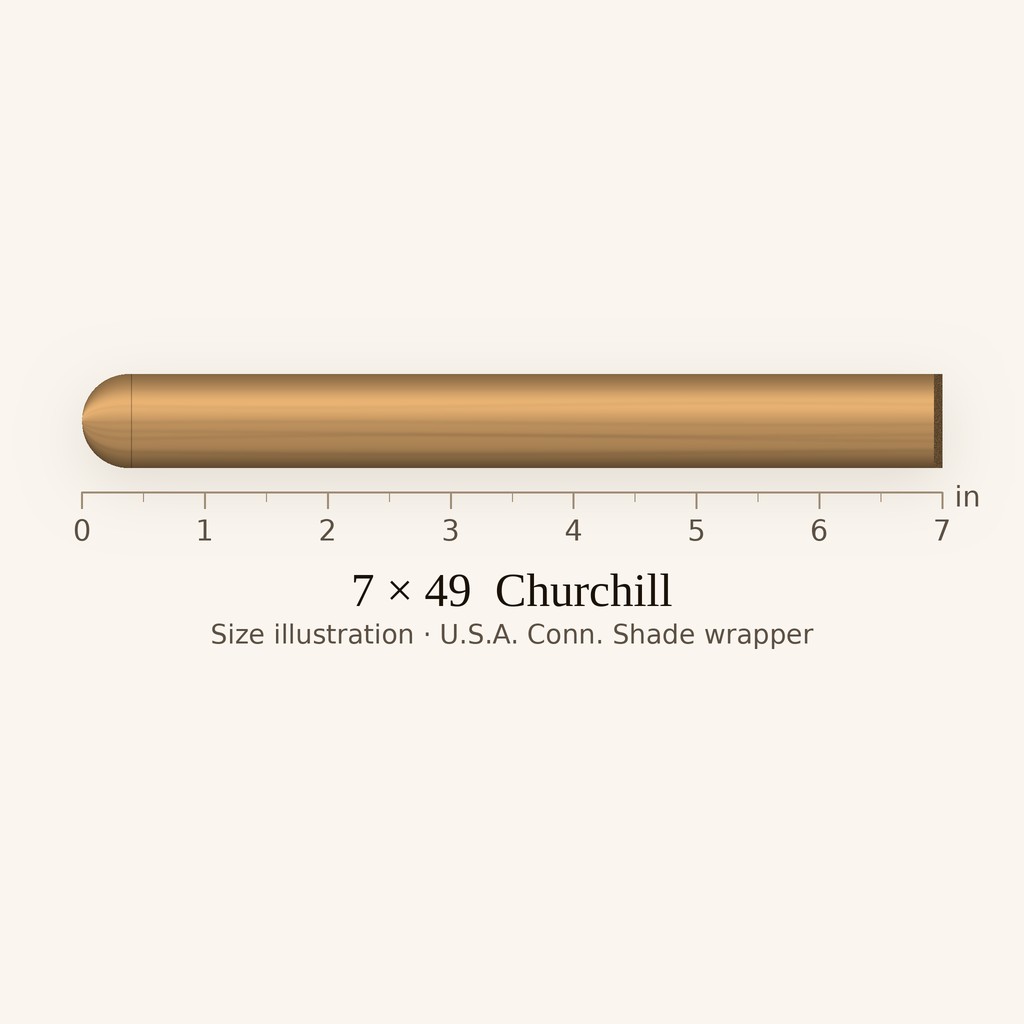
The Ashton Cabinet Selection No. 8 is rated 4.7 at $14.45. Two cigars hit 4.7. This is the cheaper by $0.55. It is a 7-inch churchill.
Buy it if you want the top shade score without paying Davidoff money.
2. Davidoff Winston Churchill The Original
- Rating: 4.7
- Price: $15.00
- Strength: Medium
- Size: 7 x 47 Toro, Ecuador Connecticut wrapper, Dominican Republic
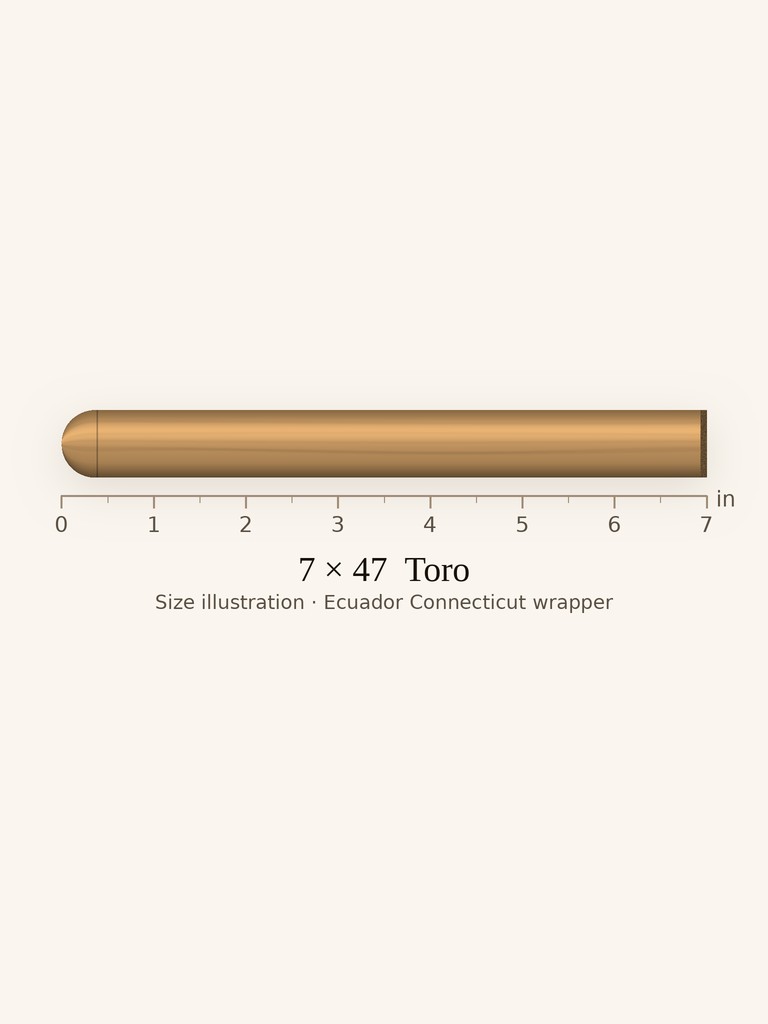
The Davidoff Winston Churchill The Original is rated 4.7 at $15.00. Same score as the Ashton, $0.55 more. The wrapper is Ecuador Connecticut, not U.S.A. Conn. Shade.
Buy it if you want the other 4.7 and an Ecuador Connecticut wrapper.
3. Sancho Panza Caballero
- Rating: 4.65
- Price: $3.20
- Strength: Medium
- Size: 6.25 x 45 Lonsdale, U.S.A. Conn. Shade wrapper, Honduras
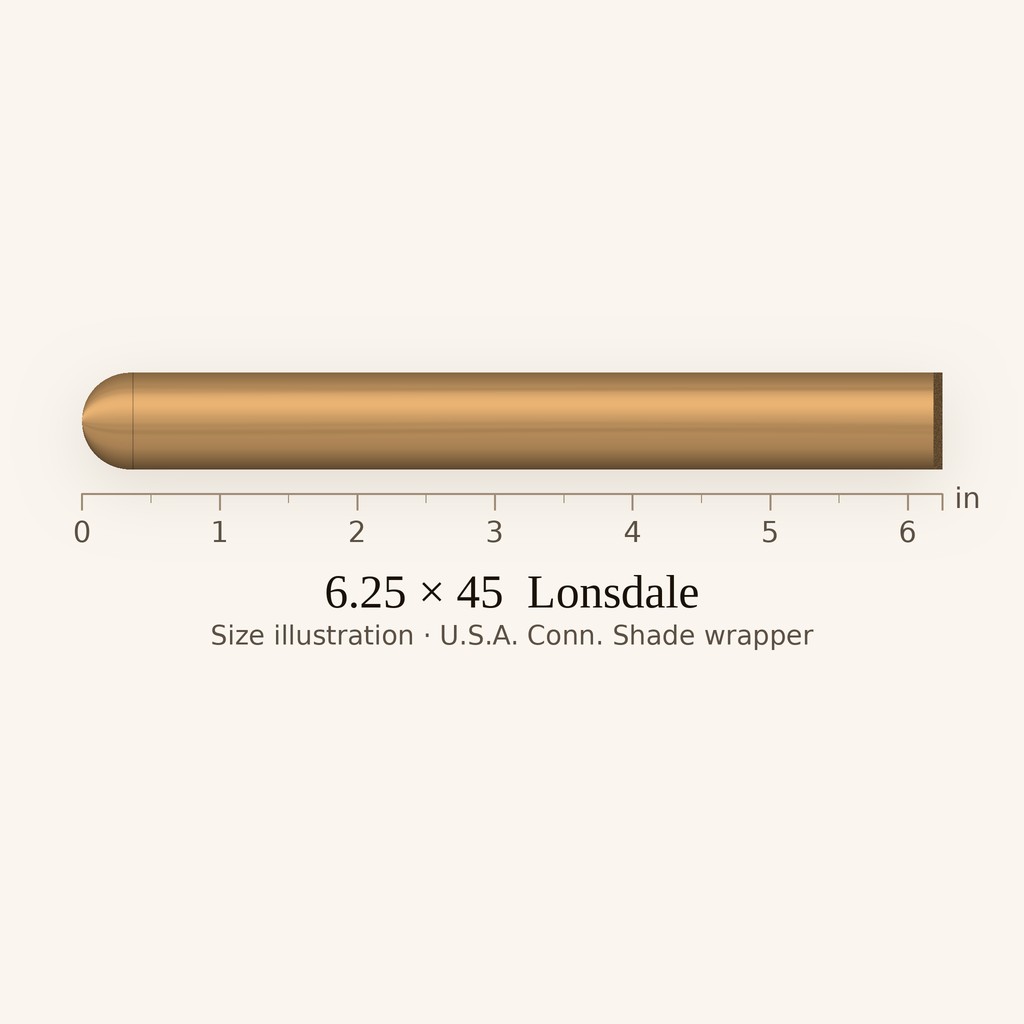
The Sancho Panza Caballero is rated 4.65 at $3.20. It is the cheapest of the twelve. Five cigars tie at 4.65; this is the cheapest of them.
Buy it if you want a shade wrapper under $4.
4. Licenciados Toro
- Rating: 4.65
- Price: $4.75
- Strength: Undisclosed
- Size: 6 x 50 Toro, U.S.A. Conn. Shade wrapper, Dominican Republic
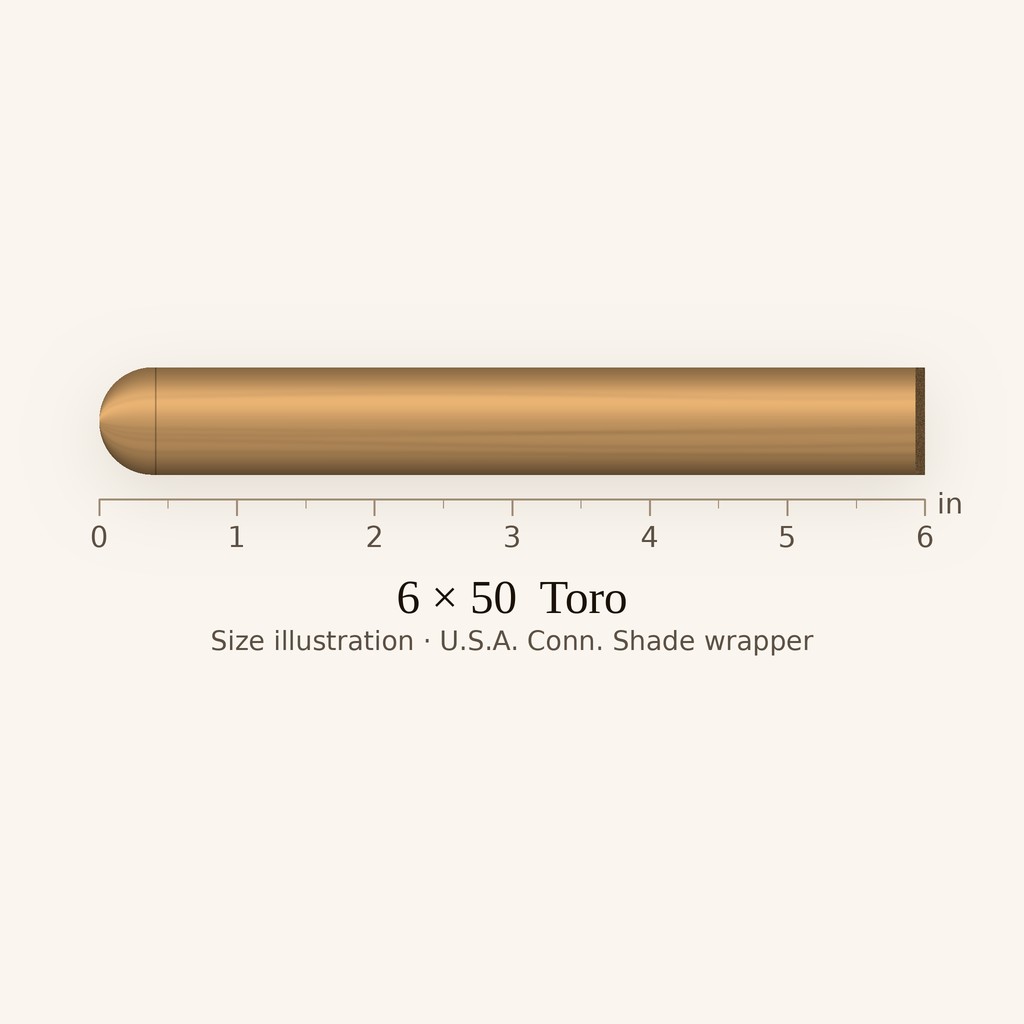
The Licenciados Toro is rated 4.65 at $4.75. The catalog leaves strength blank. Price is $1.55 above the Sancho Panza.
Buy it if you want a $4.75 Dominican toro and you can live without a strength label.
5. Charter Oak CT Shade Rothschild
- Rating: 4.65
- Price: $5.00
- Strength: Mild-Medium
- Size: 4.5 x 50 Robusto, U.S.A. Conn. Shade wrapper, Nicaragua

The Charter Oak CT Shade Rothschild is rated 4.65 at $5.00. Short 4.5-inch robusto, Nicaraguan origin, US shade wrapper.
Buy it if you want a short shade smoke at $5.00.
6. Arturo Fuente Chateau Fuente King T (Tubo)
- Rating: 4.65
- Price: $12.60
- Strength: Mild-Medium
- Size: 7 x 49 Churchill, U.S.A. Conn. Shade wrapper, Dominican Republic
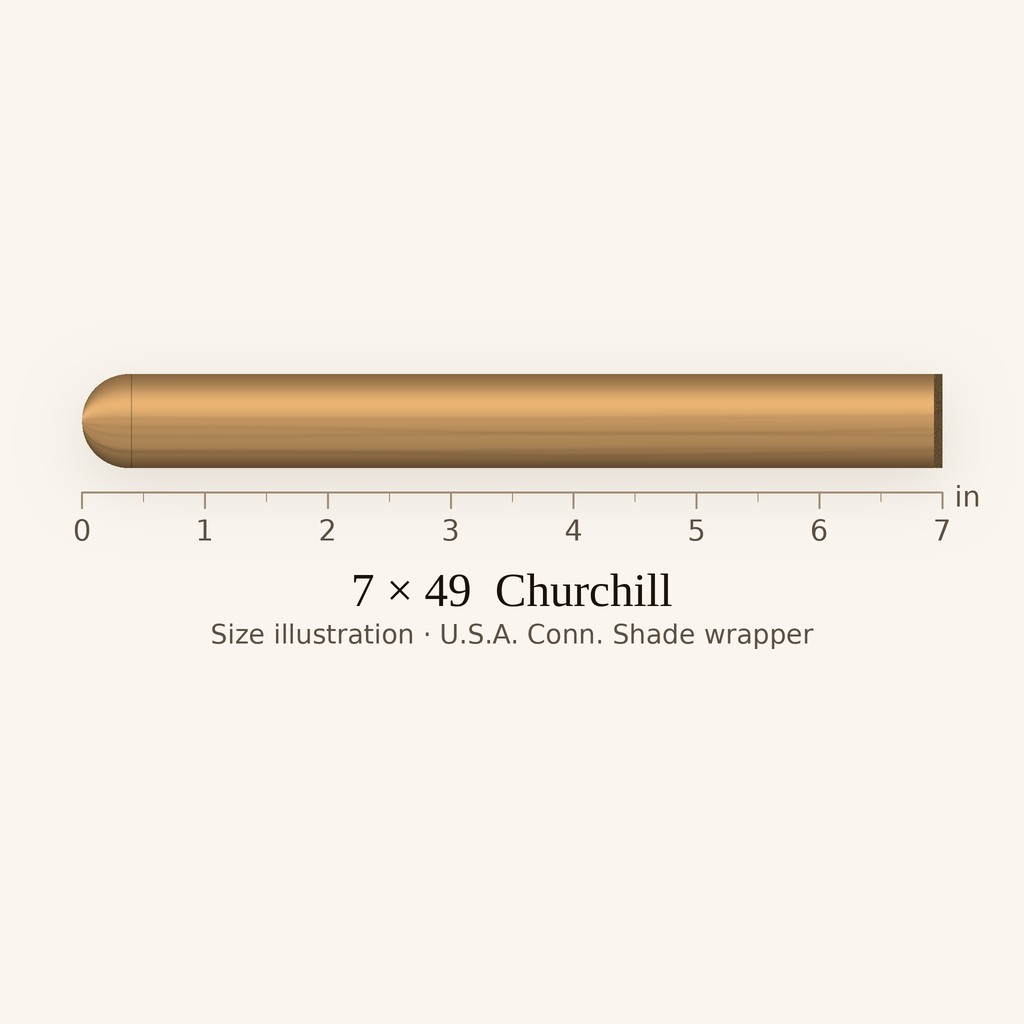
The Arturo Fuente Chateau Fuente King T (Tubo) is rated 4.65 at $12.60. Same 7 x 49 as the Ashton, $1.85 cheaper, 0.05 lower.
Buy it if you want a Fuente churchill in a tube.
7. Aging Room La Bohéme Poeta
- Rating: 4.65
- Price: $24.52
- Strength: Medium-Full
- Size: 5.75 x 54 Toro, U.S.A. Connecticut wrapper, Nicaragua
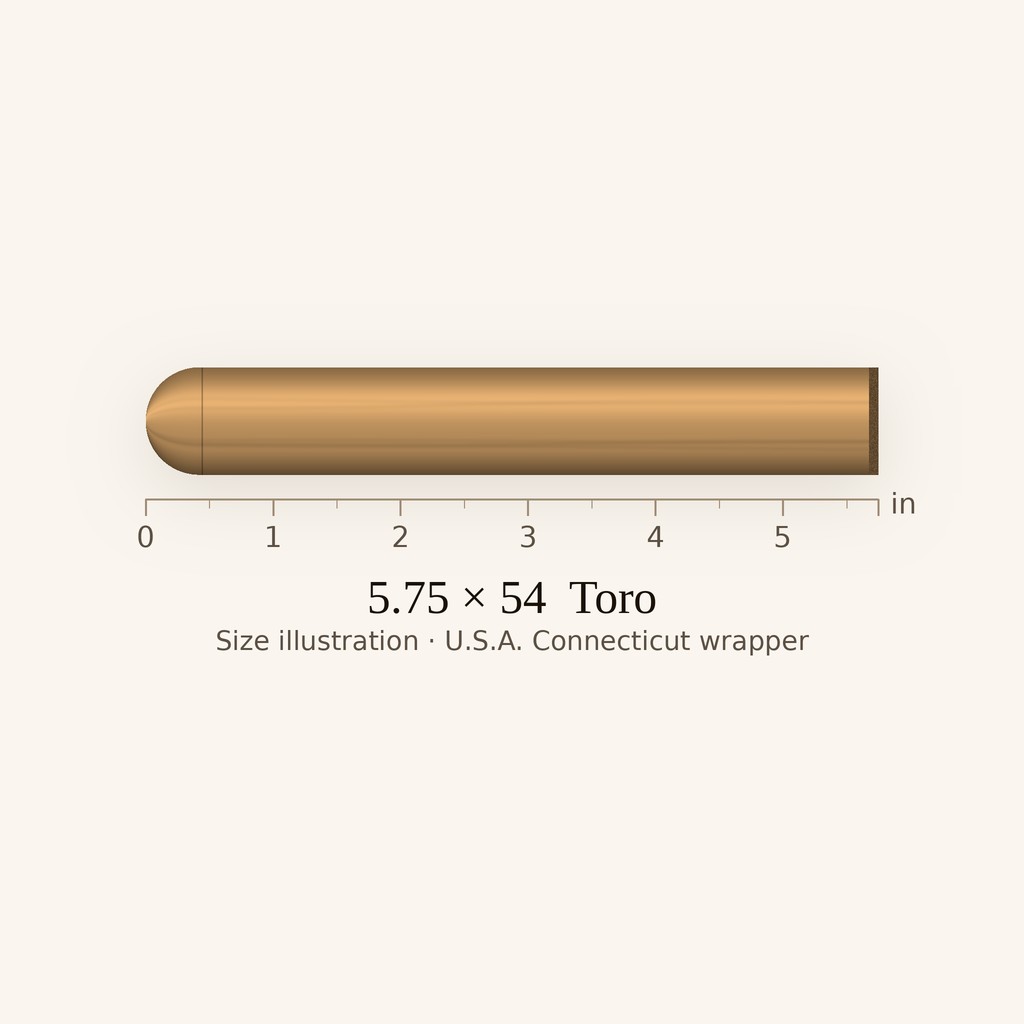
The Aging Room La Bohéme Poeta is rated 4.65 at $24.52. The wrapper label is U.S.A. Connecticut, not Conn. Shade. It is the dearest of the twelve and Medium-Full.
Buy it if you want that Aging Room row; skip it if you only want wrappers labeled Shade.
8. Macanudo Robust H.R.H. Prince Philip
- Rating: 4.6
- Price: $6.00
- Strength: Medium
- Size: 7.5 x 49 Double Corona, U.S.A. Conn. Shade wrapper, Dominican Republic
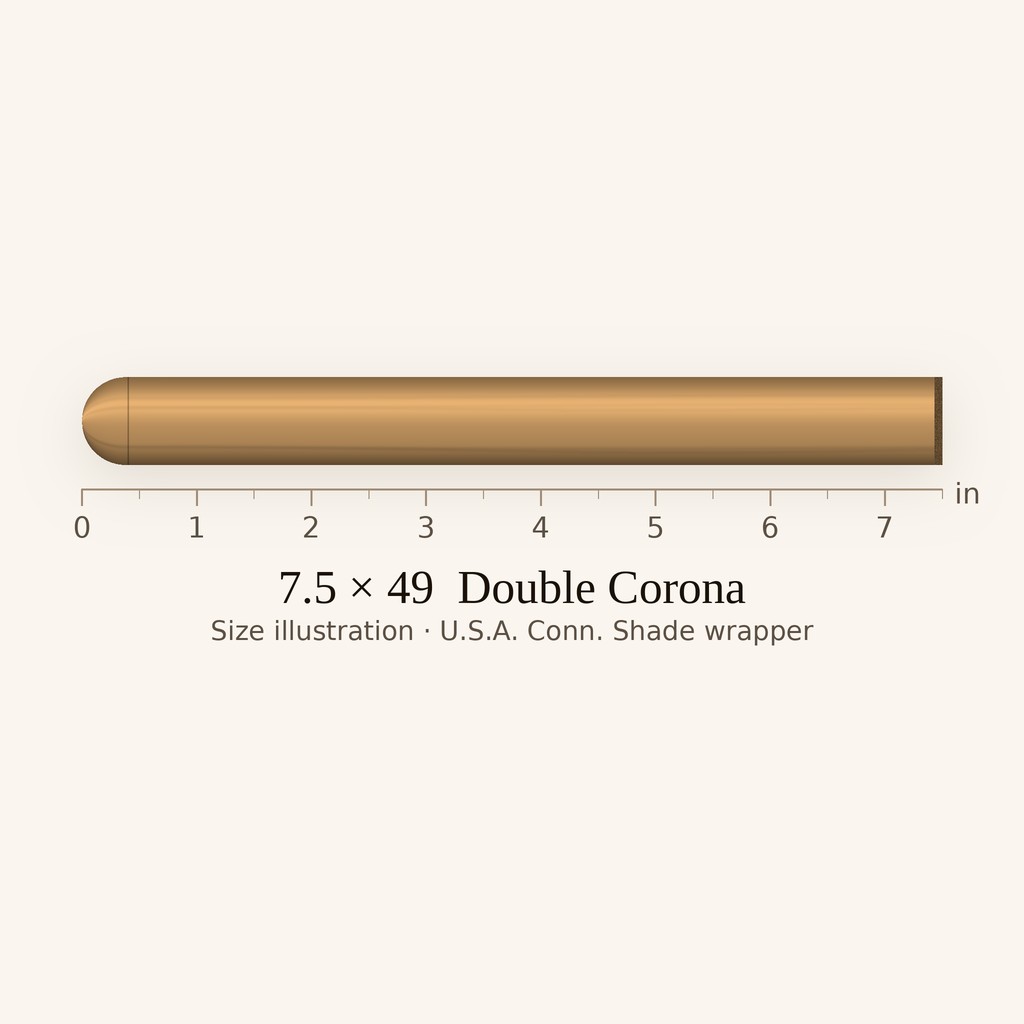
The Macanudo Robust H.R.H. Prince Philip is rated 4.6 at $6.00. Robust is in the name. Strength is Medium. It is the longest cigar here at 7.5 inches.
Buy it if you want a long shade double corona at $6.00.
9. Diamond Crown Robusto No. 5
- Rating: 4.6
- Price: $7.00
- Strength: Medium
- Size: 4.5 x 54 Robusto, U.S.A. Conn. Shade wrapper, Dominican Republic
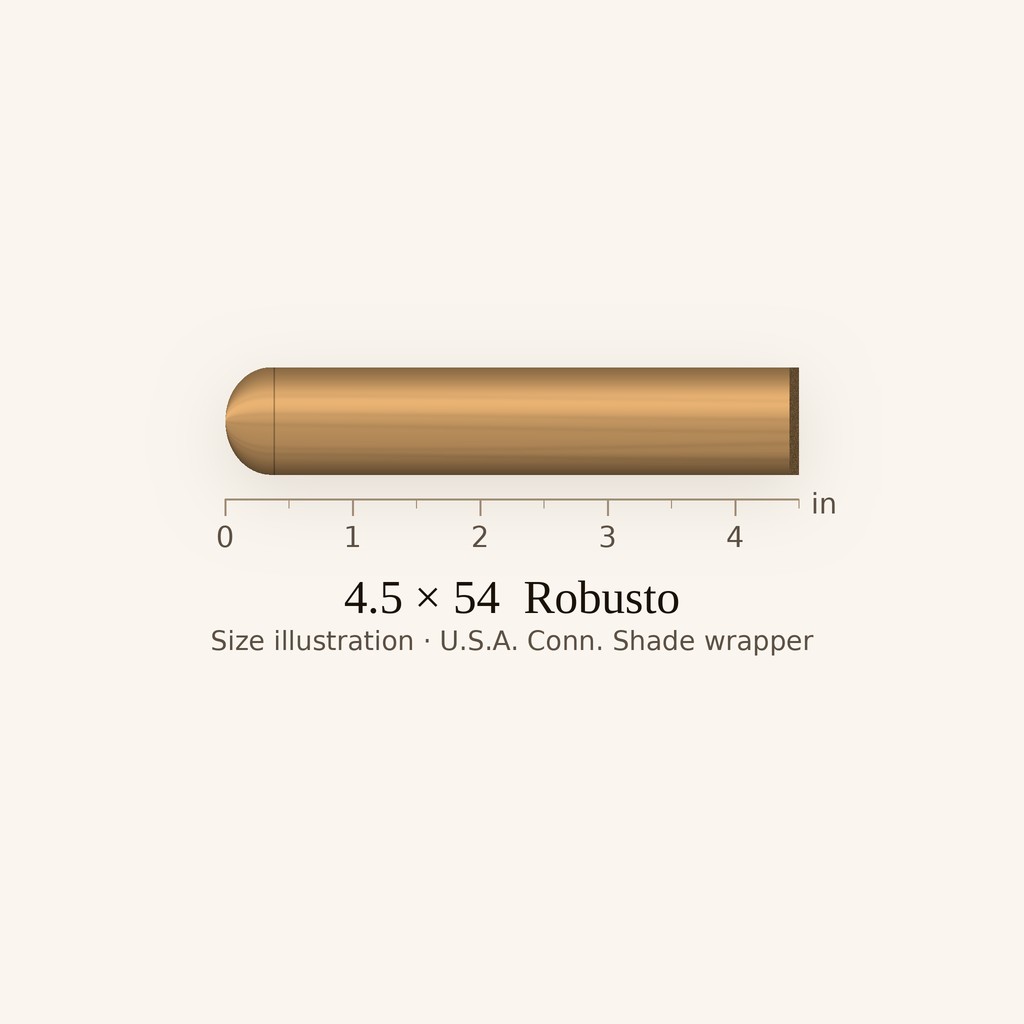
The Diamond Crown Robusto No. 5 is rated 4.6 at $7.00. Short 4.5 x 54, Dominican.
Buy it if you want a short shade robusto at $7.00.
10. V Centennial 500 Series Numero Dos
- Rating: 4.6
- Price: $7.20
- Strength: Mild-Medium
- Size: 6 x 50 Toro, U.S.A. Conn. Shade wrapper, Dominican Republic
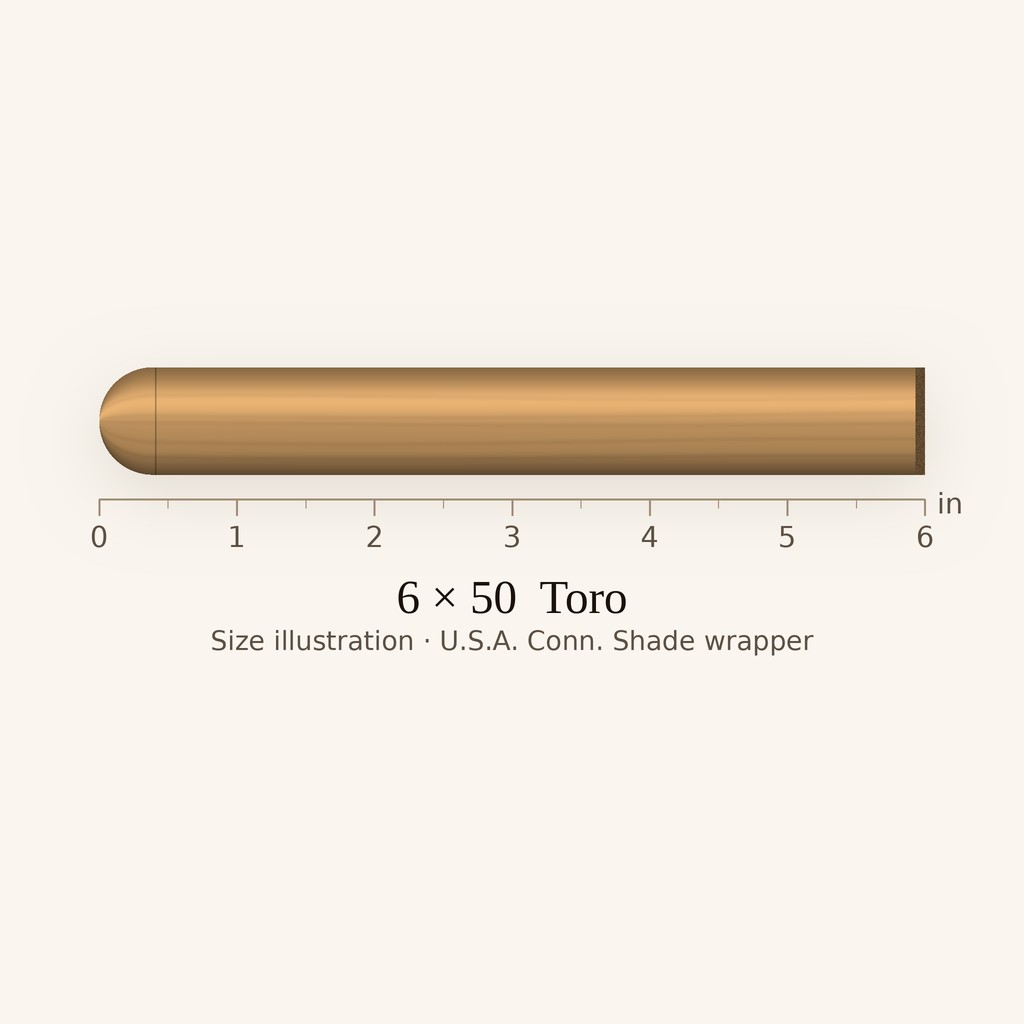
The V Centennial 500 Series Numero Dos is rated 4.6 at $7.20. Straight 6 x 50.
Buy it if you want a Mild-Medium Dominican toro near $7.
11. Padron Damaso No. 15 Toro
- Rating: 4.6
- Price: $7.50
- Strength: Medium
- Size: 6 x 52 Toro, Ecuador Connecticut wrapper, Nicaragua

The Padron Damaso No. 15 Toro is rated 4.6 at $7.50. Padron's Connecticut line, Ecuador Connecticut wrapper, Nicaraguan origin.
Buy it if you want Padron in a shade wrapper under $8.
12. Balmoral Añejo XO Connecticut Petit Robusto FT
- Rating: 4.6
- Price: $8.50
- Strength: Medium
- Size: 4.25 x 48 Petit Robusto, U.S.A. Conn. Shade wrapper, Dominican Republic
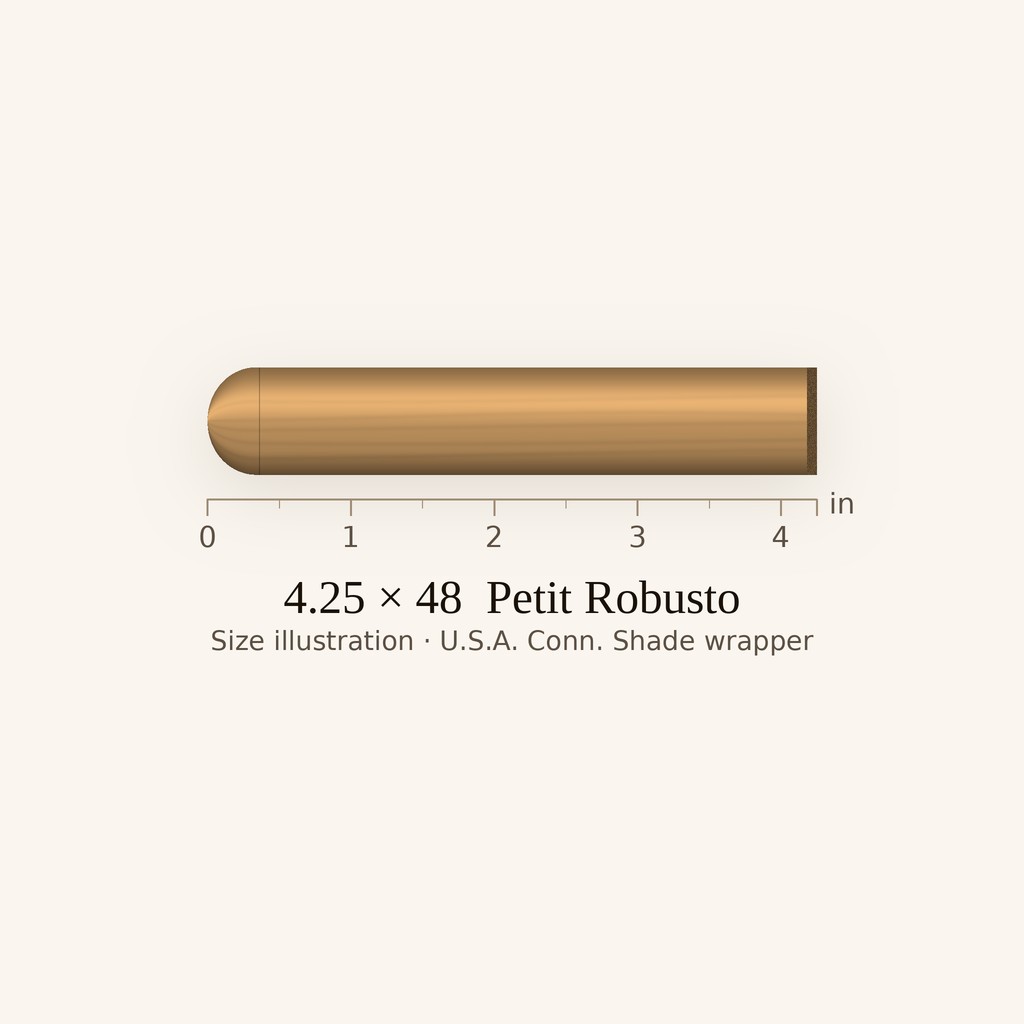
The Balmoral Añejo XO Connecticut Petit Robusto FT is rated 4.6 at $8.50. Shortest of the twelve at 4.25 inches.
Buy it if you want a short Dominican shade robusto at $8.50.
What the extra money buys
| Cigar | Rating | Price |
|---|---|---|
| Sancho Panza Caballero | 4.65 | $3.20 |
| Ashton Cabinet Selection No. 8 | 4.7 | $14.45 |
| Davidoff Winston Churchill The Original | 4.7 | $15.00 |
| Aging Room La Bohéme Poeta | 4.65 | $24.52 |
The $3.20 Sancho Panza is 0.05 below the 4.7s. The $24.52 Aging Room is also 4.65.
Interactive
Pick a Connecticut shade cigar
The 12 one-per-brand picks from 106 Connecticut-shade wrappers. Set a ceiling; it returns the best-rated pick you can buy.
Best pick at or under $7.00: Sancho Panza Caballero, rated 4.65 at $3.20.
What this page is not
It is not Broadleaf and it is not Connecticut Habano. Those wrappers were dropped on purpose. It is not only US tent-grown leaf. Ecuador Connecticut is in the pool.
See also best cigars for non-smokers if you want mild delivery more than wrapper origin.
Is Connecticut shade always mild?
No. These 12 include Mild-Medium, Medium, Medium-Full, and one Undisclosed. Shade is a wrapper label, not a strength guarantee.
Why did Broadleaf get dropped?
Connecticut Broadleaf is a dark, heavy wrapper. This page is the pale shade set. Mixing them would hide the buy question.
What is the cheapest cigar here?
The Sancho Panza Caballero at $3.20, rated 4.65. The pool median across 106 shade wrappers is $6.90.
Is the Aging Room really shade?
The catalog wrapper is U.S.A. Connecticut, not Conn. Shade. It qualifies under the Connecticut-name rule after Broadleaf and Habano are removed. Skip it if you only want rows that say Shade.