My abuelo had strong opinions about a lot of things -- Cuban coffee, dominoes strategy, and whether the Rays would ever win a World Series -- but one of his strongest opinions was about box-pressed cigars. "They feel right in the hand," he used to say, rolling a squared-off Padron between his fingers. "Like they were made for working hands, not for show."
He was onto something. The difference between box-pressed and round cigars goes way beyond aesthetics. It affects how the cigar feels, how it draws, how it burns, and yes, even how it tastes. Let me break it all down.
What Makes a Cigar Box-Pressed?
Box-pressing is exactly what it sounds like -- cigars are packed tightly into boxes or molds while the tobacco is still slightly pliable, which compresses them into a squared-off or rectangular cross-section. The cigars spend enough time in this compressed state that the shape sets permanently.
There are two main methods:
Traditional box-pressing: Rolled cigars are placed into cedar boxes that are slightly too small to hold them in their natural round shape. The pressure of being packed together flattens the sides. This is the original method and produces a subtle, soft-cornered press.
Mold-pressing: Cigars are placed into individual rectangular molds before or after rolling. This produces a more dramatic, sharply defined square shape. Some manufacturers use adjustable molds to control the exact degree of pressing.
The key thing to understand is that box-pressing is not just cosmetic. Compressing the tobacco changes its physical structure, which changes how air flows through the cigar, which changes everything about how it smokes.
The Physical Differences
Let me lay out the concrete differences between the two shapes:
Feel in the Hand
This is the most immediate difference and, for many smokers, the most important one. Round cigars roll naturally between your fingers. Box-pressed cigars sit flat and stable.
My abuelo preferred box-pressed cigars partly because they would not roll off the edge of his workbench. Practical man. But beyond convenience, many smokers genuinely prefer the feel of a squared-off cigar. It feels more substantial somehow, more deliberate.
Feel in the Mouth
A box-pressed cigar sits differently on your lip than a round one. The flat surface creates a wider contact area with your mouth, which some smokers find more comfortable for extended sessions. Others find it awkward. This is purely personal preference, and you will not know which camp you fall into until you try both.
Resting Behavior
This is an underrated practical advantage of box-pressed cigars: they do not roll. Set a box-pressed cigar in an ashtray and it stays put. Set a round cigar down and it might roll right off the edge onto your lap. If you have ever burned a hole in your favorite shirt because a cigar rolled off an ashtray, you understand why this matters.
How Shape Affects the Draw
Here is where it gets technical and interesting.
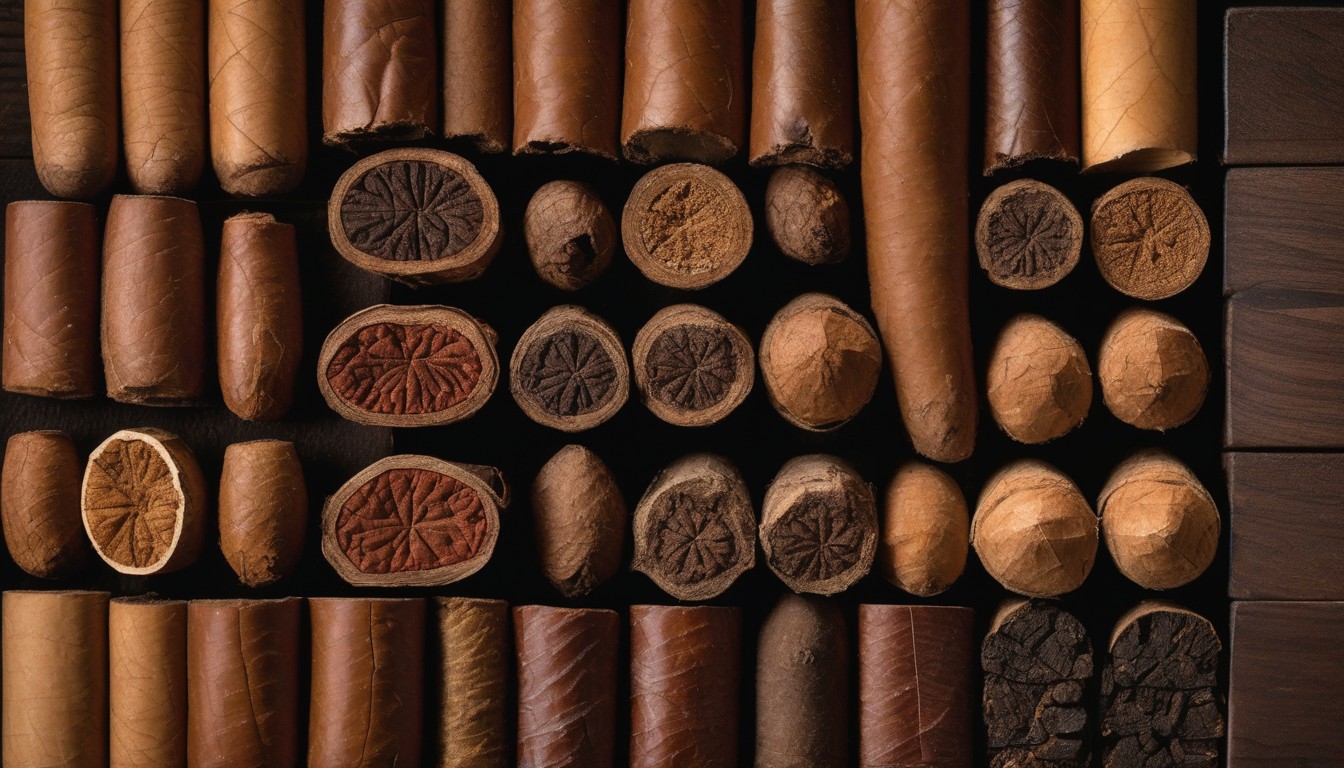
A round cigar has a circular cross-section, and the filler tobaccos are bunched to fill that circle evenly. Air flows through the small gaps between the leaves in a relatively uniform path.
A box-pressed cigar starts as a round bunch that gets compressed. This compression does two things:
-
It redistributes the filler -- leaves that were evenly spaced now have denser areas (the corners) and slightly less dense areas (the flat sides). This creates a more complex airflow pattern.
-
It slightly tightens the draw -- compression reduces the total volume of air space between the leaves. Box-pressed cigars often have a slightly more resistant draw than their round counterparts from the same line.
Some smokers love that slightly tighter draw. It forces you to slow down, concentrates the smoke, and can intensify flavors. Others find it restrictive. If you tend to prefer a loose, easy draw, box-pressed cigars might frustrate you.
However -- and this is important -- a well-made box-pressed cigar should never feel plugged or unsmokable. If the draw is too tight, that is a construction defect, not a characteristic of box-pressing.
Does Box-Pressing Change the Flavor?
This is the question everyone asks, and the honest answer is: yes, but subtly.
The compression changes the density of the tobacco bunch, which affects burn rate and temperature. Box-pressed cigars tend to burn slightly slower and at a slightly lower temperature than their round equivalents. Lower burn temperature generally means:
- Slightly less bitterness and harshness
- Slightly smoother, rounder flavor delivery
- Potential for more sweetness to come through
Is the difference dramatic? No. Will you notice it in a blind test? Maybe, if you are paying close attention. The shape of your cigar matters less for flavor than the actual tobacco and construction quality. But all else being equal, many experienced smokers feel that box-pressed versions of the same blend are slightly smoother.
There is also a secondary effect: because box-pressed cigars encourage slower smoking (that slightly tighter draw), and slower smoking generally produces better flavors (less heat means less bitterness), the overall experience can feel more refined.
Famous Box-Pressed Cigars
Several iconic cigar lines are known specifically for their box-pressed format:
Padron Family Reserve -- The Padron family has been box-pressing cigars for decades, and their Family Reserve line is the crown jewel. Dense, rich, perfectly constructed. If you have never had a box-pressed cigar, a Padron is the place to start.
Padron 1926 Serie -- Available in both natural and maduro, these are among the highest-rated cigars in the world. The box-pressing on a 1926 is subtle but purposeful -- it contributes to that signature dense, complex Padron draw. Our Padron 1926 review covers this legendary cigar in detail.
My Father Cigars -- Many of Pepin Garcia's blends use box-pressing. The My Father Le Bijou 1922 Box Press is a standout -- full-bodied, complex, and beautifully constructed.
Rocky Patel Decade -- One of the cigars that helped popularize box-pressing in the American market. Earthy, peppery, and a great introduction to the format.
Drew Estate Undercrown -- Available in both box-pressed and round versions, making it an ideal side-by-side comparison cigar.
Famous Round Cigars
Of course, the vast majority of legendary cigars are round:
Arturo Fuente OpusX -- Possibly the most famous non-Cuban cigar ever made. Round, perfectly rolled, and intensely flavorful.
Liga Privada No. 9 -- Drew Estate's masterpiece comes in the traditional round format. The Liga Privada review explains why it is so revered.
Davidoff Winston Churchill -- Classic round construction with impeccable quality control.
Oliva Serie V Melanio -- Our Melanio review highlights why this round-format Nicaraguan puro has won so many awards.
My Honest Take: Which Is Better?
Neither. Truly. This is one of those cigar debates where the answer is genuinely "it depends on what you prefer." But let me give you some guidance based on twenty-plus years of watching customers in my family's shop:
You might prefer box-pressed if you:
- Like a slightly tighter, more controlled draw
- Want a cigar that stays put in the ashtray
- Prefer the feel of a squared-off cigar in your hand
- Tend to smoke slowly and savor
- Like the aesthetic of box-pressed cigars
You might prefer round if you:
- Like an easy, open draw
- Enjoy rolling the cigar between your fingers
- Prefer the traditional look
- Are used to round cigars and find box-pressed awkward in the mouth
The Cutting Question
One practical note: cutting a box-pressed cigar requires a tiny bit more thought than cutting a round one. A straight cut works fine on most box-pressed cigars, but make sure your cutter is sharp and wide enough to accommodate the slightly wider profile. A dull cutter on a box-pressed cigar can crack or split the cap.
A V-cut works particularly well on box-pressed cigars because it creates a channel that pairs nicely with the squared-off shape. Some smokers swear by this combination.
Punch cuts are generally not recommended for box-pressed cigars. The flat sides make it hard to get a clean, centered punch, and you can end up damaging the cap.
For more on cutting techniques and the tools you need, check out our cigar accessories guide.
Try the Side-by-Side Test
The best way to form your own opinion is to try the same blend in both formats. Several brands offer this:
- Drew Estate Undercrown -- Available in both box-pressed and round
- Nub by Oliva -- Offers both shapes
- Rocky Patel Vintage -- Has box-pressed options alongside the standard round
Buy one of each, smoke them on consecutive days under similar conditions, and pay attention to the differences in draw, flavor, and overall enjoyment. That experiment will tell you more than any article -- including this one.
Abuelo's Verdict
My abuelo smoked box-pressed Padrons almost exclusively for the last twenty years of his life. When someone would ask him why, he would shrug and say, "Me gusta como se siente." I like how it feels.
That is really the best reason to choose any cigar format. Not because someone told you one is better, not because it looks more impressive, but because you like how it feels in your hand, on your lip, and on your palate. Try both. Smoke a lot of both. Then decide for yourself.
That is what my abuelo would tell you, and he was almost always right about these things.