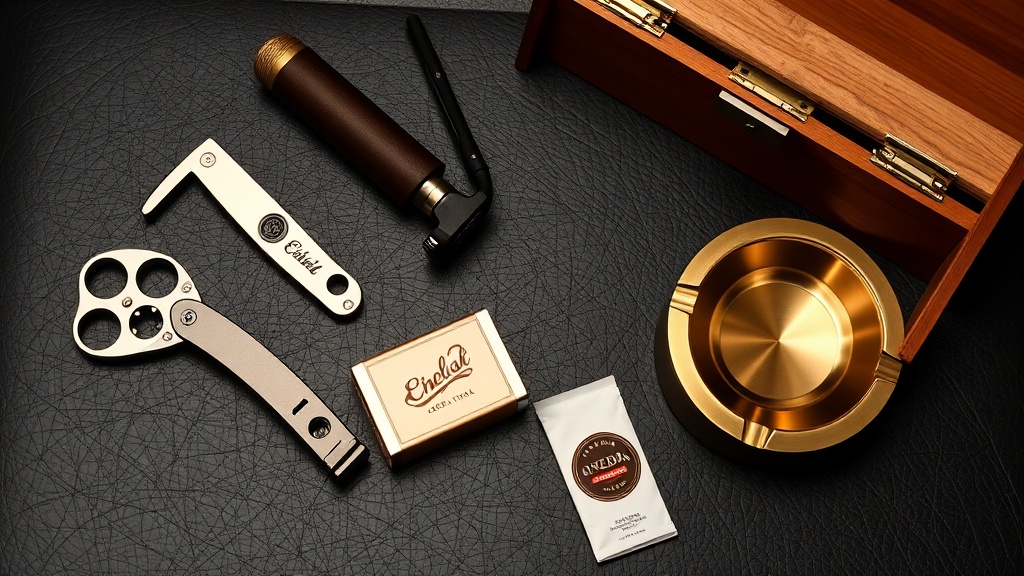
I spent way too much money on cigar accessories in my first year. I'm talking hundreds of dollars on things I genuinely didn't need, things that looked impressive on a shelf but added nothing to the actual smoking experience. My sommelier brain kicked in and I treated it like building a wine cellar -- every tool had to be "the best." Three years later, I use maybe a third of what I bought.
So here's what I wish someone had told me: most of this stuff doesn't matter as much as forums want you to believe. But the things that do matter? They matter a lot. Let me walk you through what's actually worth your money.
Humidors: Where Your Money Actually Goes
This is the one place I'll tell you not to cheap out. A humidor isn't a luxury -- it's the difference between smoking a cigar and smoking a dried-out leaf that crumbles in your hand. [Fun fact: the word "humidor" only entered English around 1903, borrowed from the Spanish cigar trade that had been using humidity-controlled storage for decades before anyone gave it a proper name.]
Desktop Humidors ($50-$300)
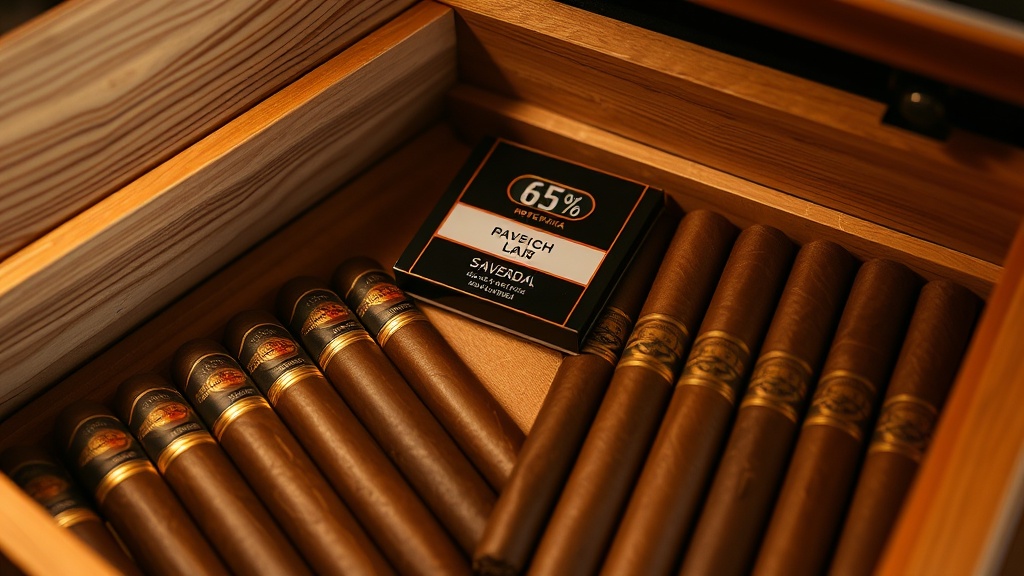
For most people starting out, a 50-count desktop humidor is the sweet spot. The Quality Importers "Capri" runs about $50-60 and does the job. If you want something nicer, the Prestige Import Group "Milano" at around $80-100 has better seal quality. And if you're ready to invest, the Daniel Marshall 20165 in the $200-300 range is genuinely beautiful -- Spanish cedar interior, solid construction, the kind of thing you'll keep for decades.
Full disclosure: I'm probably biased toward the Daniel Marshall because it was a gift from a friend who runs a lounge in Napa. But I've tested cheaper options side by side, and the humidity stability really is noticeably better in well-built humidors.
The Tupperdor Hack ($15-25)
Here's where it gets interesting. A Sistema 236oz container ($15) plus a Boveda 69% pack ($5-8) makes a perfectly functional "tupperdor" that holds humidity more consistently than most sub-$100 wooden humidors. I know that sounds like heresy, but the science backs it up -- an airtight seal beats a mediocre Spanish cedar box every time.
I keep a tupperdor in my office for everyday smokes. The Daniel Marshall at home is for the good stuff and, honestly, the aesthetics. There's something satisfying about opening a wooden box that smells like cedar. But if you're on a budget? Tupperware. No shame in it.
Travel Humidors ($20-80)
The Xikar 5-count travel humidor (around $30-40) is the standard for a reason. Crushproof, airtight, fits in a carry-on. I've taken mine through TSA dozens of times without issue. TSA permits cigars in both carry-on and checked bags; torch lighters are banned in both.
Cutters: The Great Debate
This is where cigar people get weirdly tribal. Guillotine loyalists, V-cut evangelists, punch devotees -- everyone thinks their method is the correct one.
Here's my hot take: V-cutters are the most underrated tool in the cigar world, and straight guillotines are wildly overused. I'll die on this hill.
Guillotine/Straight Cut ($10-50)
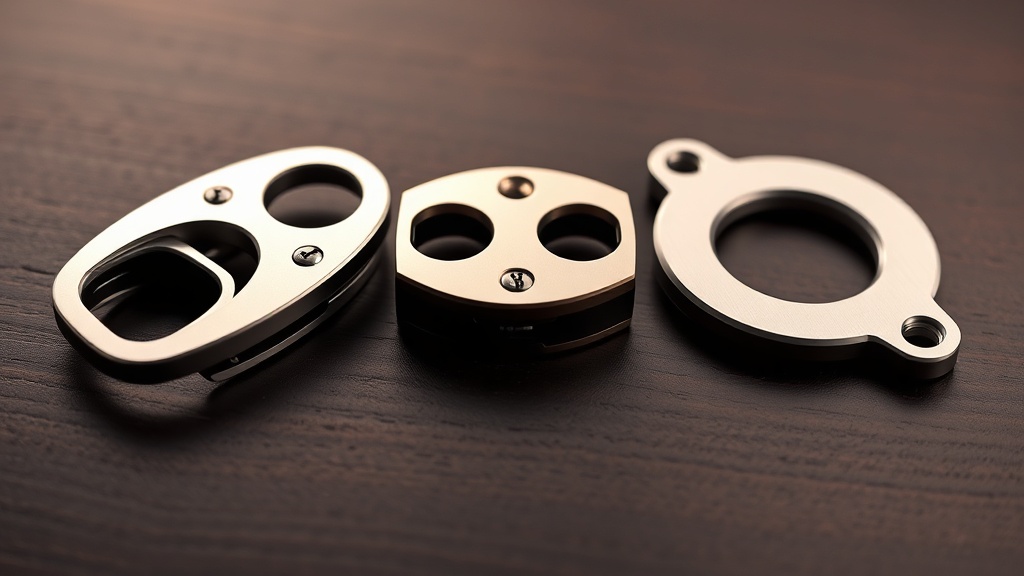
The standard. A double-blade guillotine gives you a clean, open draw. The Xikar Xi2 ($30-35) is the workhorse recommendation -- sharp blades, lifetime warranty, satisfying snap. The Colibri S-Cut ($25-30) is another solid option.
The problem? Beginners almost always cut too much off. You nick below the cap line and the wrapper starts unraveling two inches in. I've done it. Everyone's done it. It's a rite of passage.
V-Cut ($15-40)
This is my daily driver and I genuinely think it's the best option for most smokers. A V-cut creates a wedge-shaped notch that concentrates the smoke, gives you excellent draw, and -- here's the key -- makes it nearly impossible to cut too deep. The XIKAR VX V-cutter (around $30) is the one I use. The Colibri V-Cut ($35-40) is equally good.
The flavor concentration from a V-cut is something you'll notice immediately, especially on cigars with complex blends. It's similar to how the shape of a wine glass affects how you perceive aromatics -- you're directing the smoke over specific parts of your palate. [The V-cut was actually the standard cut in Cuba for decades before guillotines became popular in the American market during the 1990s cigar boom.]
Punch Cut ($5-25)
A punch creates a small circular hole in the cap. Less smoke volume, tighter draw. I use mine on thick ring gauge cigars (60+) where a full straight cut would feel like drinking through a garden hose. The Xikar 009 Punch ($15-20) is a good one. Some lighters come with a built-in punch, which is convenient.
The downside: tar and moisture can build up around the small opening, especially in the final third. Not my favorite for longer smokes.
Which Should You Buy?
Get a V-cutter first. I know the forums will tell you to start with a guillotine, but a V-cutter is more forgiving and, I'd argue, produces a better smoking experience for most vitolas. Add a punch later for your 60-ring gauge monsters. Buy a guillotine when you want options.
Lighters: Flame Wars (Literally)
The lighter debate is simpler than people make it.
Single-Flame Torch ($15-30)
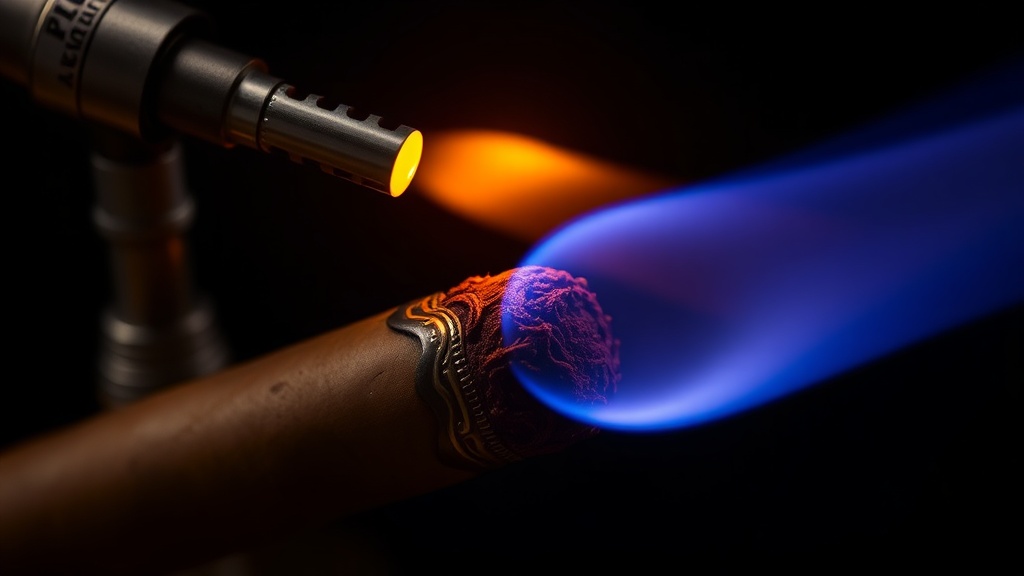
Precise, slow toasting, maximum control. The Xikar Xidris ($25-30) is excellent. A single flame takes longer to light a cigar but gives you the most even toast. This is what I use indoors.
Double/Triple-Flame Torch ($20-50)
Faster, covers more surface area, fights wind better outdoors. The Xikar Allume Double ($35-40) or the Colibri Evo ($25-35) are both solid. Good for outdoor smoking or when you're impatient. I'll confess to being impatient more often than I'd like to admit.
Soft Flame ($5-20)
Traditional, elegant, completely impractical outdoors. A soft flame lighter works fine in a lounge with no air movement. Anywhere else, you'll be fighting the wind. That said, purists argue soft flame produces the cleanest taste since butane torches burn at much higher temperatures.
Cedar Spills (Basically Free)
A thin strip of Spanish cedar, lit from a match or flame, used to toast and light your cigar. This is the old-school method and arguably produces the purest flavor -- the cedar adds a subtle sweetness to the first few puffs. I keep a jar of cedar spills from old cigar boxes. It's a ritual thing. My friends think I'm pretentious. They're probably right.
What to Avoid
Zippos. Candles. Anything with a petroleum-based fuel. The chemical taste will contaminate the cigar's flavor profile, and once it's there, you can't get rid of it.
Boveda Packs: The Silent MVP
If I could only recommend one accessory to a new cigar smoker, it would be Boveda humidity packs. Not a cutter, not a lighter, not a humidor. Boveda packs.
These two-way humidity control sachets maintain a precise RH (relative humidity) level inside any sealed container. They add moisture when it's too dry and absorb moisture when it's too humid. It's genuinely clever engineering -- a saturated salt solution sealed in a permeable membrane. [The technology was originally developed for the pharmaceutical industry before someone realized it was perfect for cigars.]
Which RH Level?
- 65% RH: My preference. Slightly drier, better burn, more flavor. This is becoming the standard among serious smokers.
- 69% RH: The traditional "default." Still good, slightly spongier feel.
- 72% RH: Too wet for my taste. Cigars smoke slow and can get pluggy. Some people swear by it, though.
- 75% RH: For seasoning a new humidor only. Don't store cigars at this level.
A 60-gram Boveda pack costs about $5-7 and lasts 2-4 months in a well-sealed humidor. An 8-gram pack ($1-2) works in a travel case. You'll spend maybe $25-30 per year keeping your cigars in perfect condition. That's genuinely the best value in this entire hobby.
Hygrometers: Trust But Verify
A hygrometer measures the humidity inside your humidor. The analog ones that come built into most humidors are decorative at best -- they're usually off by 5-10%. You can still check one against a 75% reference and correct for the error, but a digital one starts closer.
Get a digital one. The Xikar PuroTemp ($20-25) or the Caliber IV ($25-30) are both accurate out of the box. Stick it inside your humidor and check it occasionally. If you're using Boveda packs in a well-sealed container, you honestly don't need to obsess over it -- but it's nice to verify.
I check mine once a week. More for peace of mind than necessity.
Ashtrays: The One Splurge That's Worth It
Most cigar accessories are functional tools. An ashtray is that too, but it's also the centerpiece of your smoking setup. This is where I'll tell you it's okay to spend a little more.
A good cigar ashtray has deep, wide grooves that hold a cigar securely at an angle (so ash falls into the tray, not onto your lap). The Stinky Cigar Ashtray ($30-40) is the industry standard -- stainless steel, four wide stirrups, heavy enough that it won't blow off a table. It's not pretty, but it works perfectly.
If you want something nicer for the home, ceramic or crystal ashtrays from brands like Davidoff or Xikar run $50-150. I picked up a hand-blown glass ashtray from a shop in Napa for $85, and it's one of my favorite possessions. Sometimes the aesthetic matters.
For outdoor use or travel, the Xikar Ash Can ($15-20) is a portable, wind-resistant option that packs flat.
What's Overpriced (Honest Opinions)
Look, some things in the cigar accessory world are priced for status, not function.
Cigar stands/holders ($30-60): Unless you have a specific need, your ashtray already holds your cigar.
Gold-plated cutters ($100+): A $30 Xikar cuts exactly the same way. You're paying for jewelry, not function.
"Seasoning kits" ($15-25): A Boveda 84% pack and a damp cloth does the same thing for $8.
Cigar "fresheners" or flavor-infusing devices: No. Just no. If you want a flavored cigar, buy a flavored cigar. Don't spray things on your tobacco.
$200+ lighters: I've used Davidoff and S.T. Dupont lighters that cost more than my first humidor. They work great. They don't work $170 better than a Xikar.
The Starter Kit I'd Actually Recommend
If you're starting from zero, here's what I'd buy:
- XIKAR VX V-Cutter: ~$30
- Xikar Xidris Single Torch Lighter: ~$25
- Sistema airtight container (tupperdor): ~$15
- Boveda 65% 60-gram packs (4-pack): ~$20
- Xikar PuroTemp digital hygrometer: ~$20
Total: About $110. That's everything you need to properly cut, light, and store cigars. No fluff, no status symbols, just functional gear that works.
Add a proper desktop humidor later when your collection outgrows the tupperdor. Add a punch cutter when you buy your first 60-ring gauge cigar. Upgrade the lighter when yours eventually dies (they all do).
I could talk about this for hours, but that's genuinely everything that matters. The cigar itself is always more important than the accessories surrounding it -- but having the right tools means you'll actually taste what the blender intended. If you're just starting out, check out our beginner's guide to cigars for the full picture. And isn't that the whole point?