Welcome to the World of Cigars
Whether you're celebrating a milestone, seeking relaxation, or simply curious about this timeless tradition, you've come to the right place. This guide breaks down everything you need to know into 7 simple steps.
Step 1: Understand What Makes a Cigar
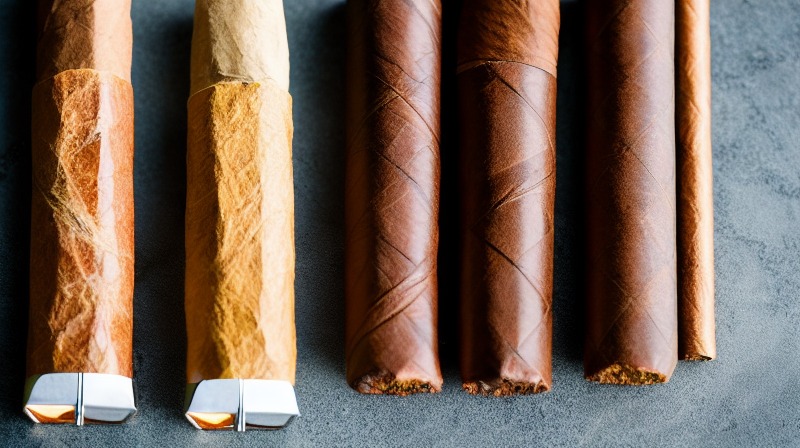
Unlike cigarettes, premium cigars are hand-rolled from whole tobacco leaves and contain no additives or chemicals. Every cigar has three main components:
- Wrapper: The outermost leaf that gives the cigar its appearance and contributes significantly to flavor
- Binder: The leaf that holds the filler together
- Filler: The core tobacco blend that provides the primary flavors
Cigars are not meant to be inhaled. Instead, you draw the smoke into your mouth to taste the complex flavors, then exhale. Think of it like tasting fine wine or whiskey.
Step 2: Choose Your First Cigar Wisely
Your first cigar experience will shape your entire perception of the hobby. Start with something mild and approachable:
What to look for:
- Strength: Mild to mild-medium (avoid full-bodied cigars)
- Size: Robusto (5" x 50 ring gauge) or Corona (5.5" x 42)—they take 30-45 minutes to enjoy
- Wrapper: Connecticut Shade (light tan) is smooth and creamy
Great starter cigars:
- Arturo Fuente Hemingway Short Story
- Ashton Classic Corona
- Macanudo Cafe Hyde Park
- Perdomo Lot 23 Connecticut
- Oliva Connecticut Reserve
Budget around $8-15 for a quality first cigar. Cheap drugstore cigars will give you a poor experience.
Step 3: Get the Right Tools
You only need three things to get started:
1. A Cutter A double-blade guillotine cutter is best for beginners. Cut just above the cap line (the rounded end) to remove 1/16" to 1/8" of the cap. Make a confident, swift cut.
2. A Lighter Use a butane torch lighter—it's odorless and provides consistent heat. Avoid Zippos, candles, or paper matches (they add unwanted flavors). Cedar spills are a traditional alternative.
3. An Ashtray Any heat-resistant surface works, but cigar ashtrays have wider grooves to rest your cigar securely.
Step 4: Light Your Cigar Properly
Lighting a cigar correctly ensures an even burn and the best flavor:
The Toast (30 seconds):
- Hold the cigar at a 45-degree angle
- Keep the flame about 1 inch from the foot (the open end)
- Rotate the cigar slowly until the foot glows evenly
- Don't let the flame touch the tobacco directly
The Light (15-30 seconds):
- Place the cigar in your mouth
- Draw gently while holding the flame near (not touching) the foot
- Continue rotating until smoke flows freely
- Check that the entire foot is lit evenly
If one side burns faster than the other, gently touch it up with your lighter.
Step 5: Enjoy the Experience
Now comes the best part. Here's how to maximize your enjoyment:
Pacing:
- Take a puff every 30-60 seconds
- Smoking too fast creates harsh, bitter flavors
- Let the cigar rest between draws
Technique:
- Draw smoke into your mouth (don't inhale into your lungs)
- Let the smoke roll around your tongue to taste the flavors
- Exhale naturally through your mouth
What to taste for:
- First third: Usually milder—look for cream, cedar, nuts, light sweetness
- Second third: Flavors develop—coffee, leather, earth may emerge
- Final third: Most intense—pepper, spice, and complexity
Let the ash grow to about an inch before gently tapping it off into your ashtray. Long ash is a sign of quality construction.
Step 6: Create the Right Setting
Environment matters when enjoying a cigar:
Where to smoke:
- Outdoors: Patios, balconies, gardens
- Cigar lounges: Social atmosphere with proper ventilation
- Well-ventilated spaces: Be considerate of non-smokers
Pair with a beverage:
- Coffee: Classic pairing, especially for morning or afternoon smokes
- Water: Cleanses the palate between puffs
- Whiskey/Bourbon: Rich spirits complement medium to full cigars
- Port or Rum: Sweet and complex, great with maduro wrappers
Time commitment: A typical Robusto takes 45-60 minutes. Don't rush. Cigars are about relaxation and savoring the moment.
Step 7: Know When to Stop
Unlike cigarettes, you don't smoke a cigar to the end:
- Stop when about 2 inches remain or when the heat becomes uncomfortable
- Never stub out a cigar—let it die naturally in the ashtray
- The final third is often the strongest; it's perfectly acceptable to stop earlier
- If your cigar goes out, you can relight it, though flavors may change slightly
Common beginner mistakes to avoid:
- Inhaling the smoke (this will make you sick)
- Smoking too fast (causes bitterness)
- Cutting too much off the cap (the wrapper unravels)
- Choosing a full-bodied cigar first (too overwhelming)
What's Next?
After a few mild cigars, you'll be ready to explore:
- Medium-bodied options: More complexity and flavor depth
- Different origins: Nicaraguan, Dominican, Honduran tobaccos
- Various wrapper types: Habano, Maduro, Cameroon
- Larger ring gauges: For longer smoking sessions
Keep notes on what you enjoy. Your palate will develop over time, and cigars you found strong as a beginner may become favorites later.
Ready to find your perfect first cigar? Use our AI-powered recommendation tool to get personalized suggestions based on your taste preferences.