
Seco, viso, and ligero describe leaf categories associated with different positions on cigar tobacco plants. In Joya de Nicaragua's account, they progress from lower to upper leaves. That sequence is useful, but not universal: Cuban classifications use different categories. A priming name alone cannot reveal a finished cigar's recipe or strength.
A priming is part of harvesting
Joya de Nicaragua's production account lists seco, viso, and ligero from bottom to top during priming. Tobacconist University's plant guide describes harvesting mature leaves progressively upward, while cautioning that names and classifications differ by variety and region.
Think of the terms as categories in a working system. They help a grower, sorter, or blender communicate about leaf, but they do not identify a universal numbered row on every tobacco plant. Ask which producer's system is being described.
| In the Joya sequence | Relative position | First question to ask |
|---|---|---|
| Seco | Lower | Which origin and tobacco variety? |
| Viso | Between seco and ligero | How does the producer classify it? |
| Ligero | Upper | What role and proportion does it have? |
The last column is a reading aid, not a claim that those details will always be published. A manufacturer may disclose a priming and region while keeping proportions private. That still gives useful information, provided you leave the missing pieces unfilled.
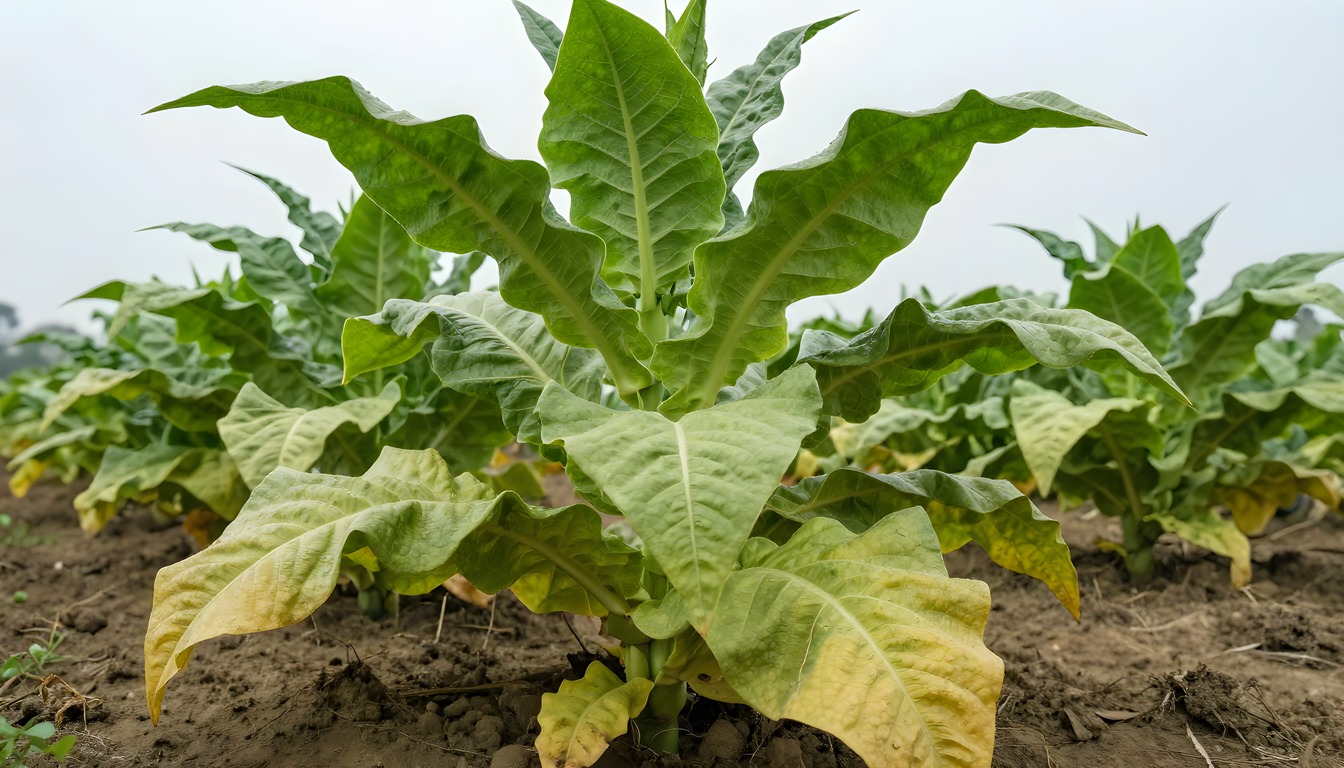
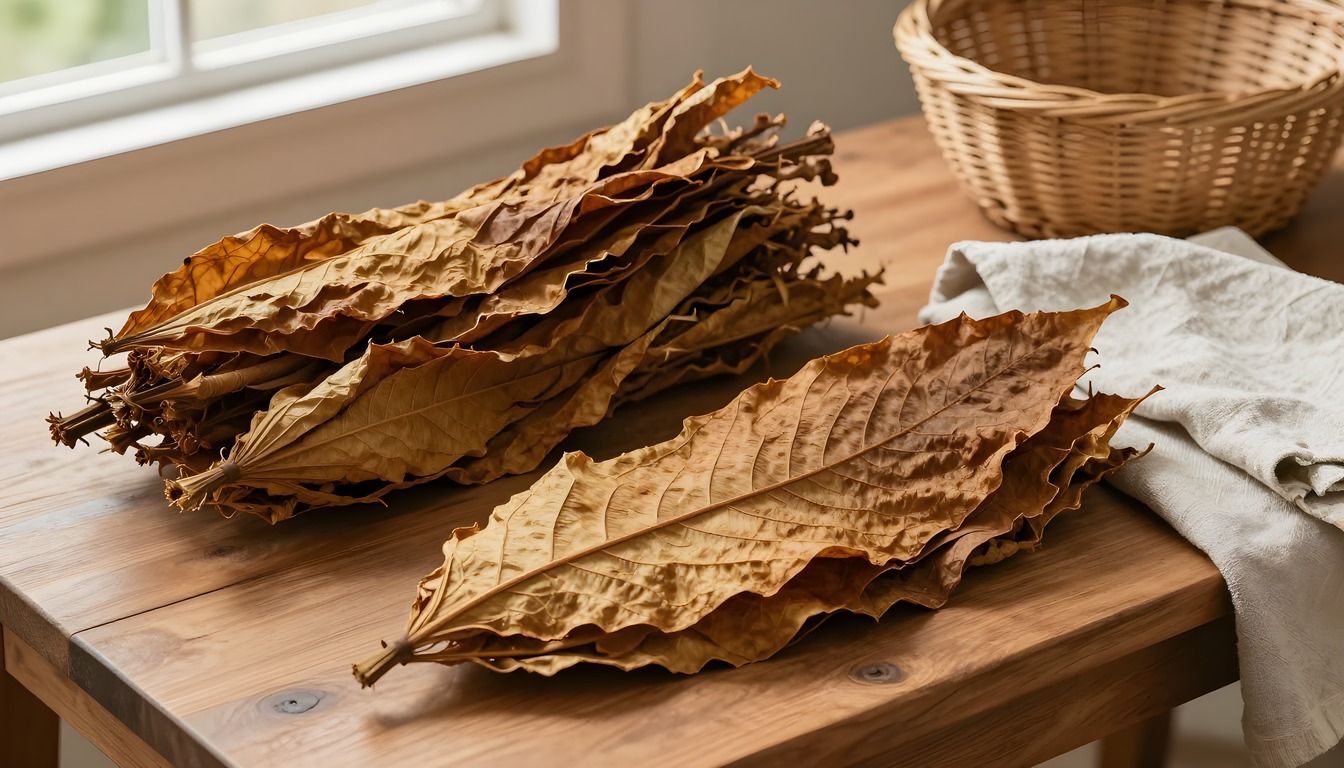
Locally generated editorial illustration of lower leaf positions; it does not identify a cultivar or certify a seco grade.
Seco: context before shorthand
In the generalized model used by Tobacconist University, seco sits below viso. The guide associates these thinner, milder leaves with aroma and dependable burning. Those are broad working tendencies, rather than a chemical specification for every leaf carrying the name.
“Seco” does not mean that a finished cigar is dry, and the term is not an instruction to lower your humidor humidity. It belongs to the leaf description. Keep agricultural labels separate from the condition of the cigar in your hand.
A lower category is not a lesser ingredient
Do not rank leaf categories as if upper automatically means better. A blender is assembling a finished cigar with several requirements, rather than rewarding whichever leaf sounds strongest. The useful question is what the selected tobacco contributes in that specific blend.
That also changes how you read “mild.” Is the maker describing nicotine strength, flavor intensity, or its general impression of the cigar? Those meanings can differ. A lower-position category does not resolve the ambiguity by itself.
Viso: the middle name needs a local definition
Tobacconist University's generalized model puts viso below ligero and above seco, and describes a balance of flavor, body, aroma, and combustion. Joya uses the same three-name sequence in its own process account. This supports that reading within those sources, not a worldwide naming rule.
If a specification lists viso, retain the accompanying origin or variety name. “Nicaraguan viso” is a more informative description than “viso,” but it still leaves the farm, crop, processing, and proportion unknown unless the maker supplies them.
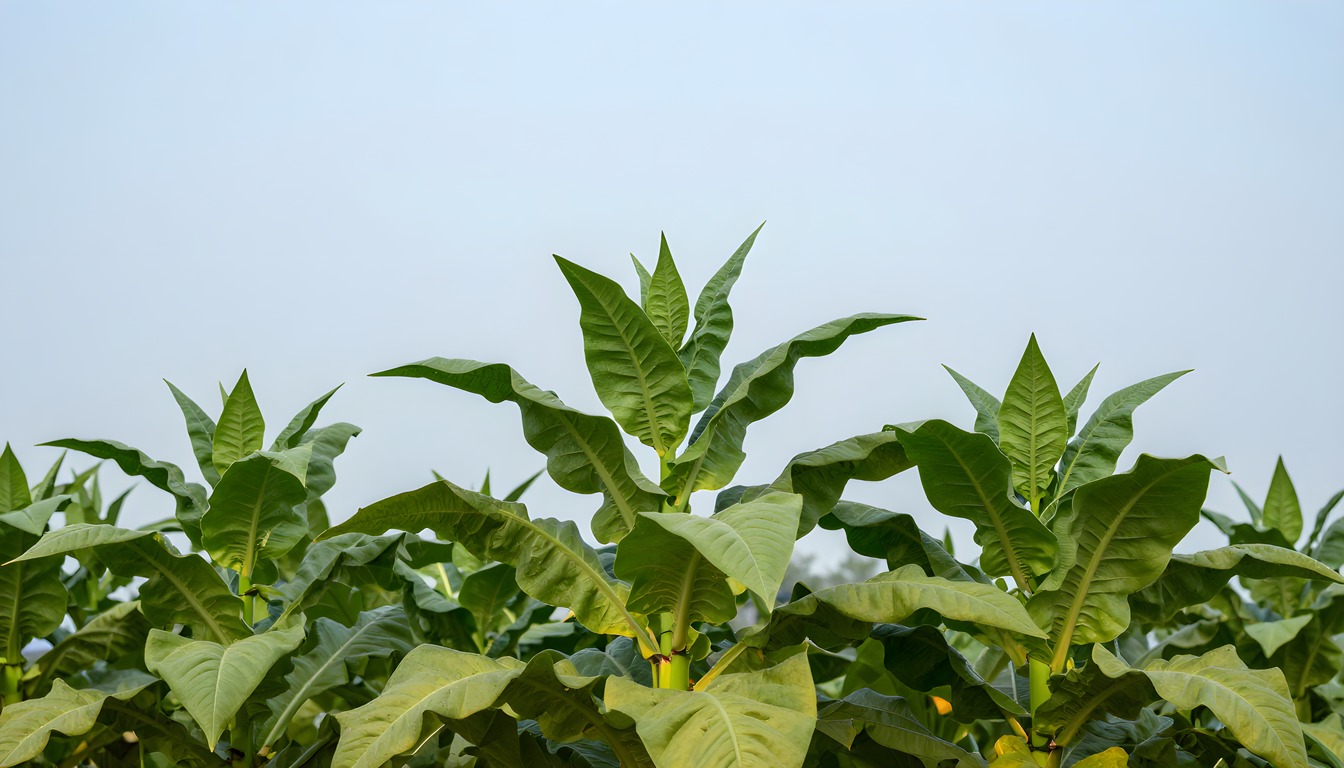
Locally generated editorial illustration of upper foliage; the image cannot establish nicotine content or a ligero classification.
Do not invent a flavor for a category
A label is not evidence that all viso tastes like cedar, nuts, or another particular note. Use the maker's tasting description as its description of the finished product. Keep that separate from a claim about every leaf of that category.
When making your own notes, distinguish what you observed from what you knew beforehand. Recognizing a flavor in a cigar does not establish which priming produced it, especially when several tobaccos were blended together.
Ligero: a direction, not a nicotine measurement
The generalized plant guide associates upper ligero leaves with thickness, flavor intensity, and higher nicotine. It is a useful expectation within the model. It does not assign every ligero leaf one potency or every ligero-containing cigar one strength rating.
In fact, a finished cigar's ingredient label rarely includes a laboratory nicotine result. Do not turn “contains ligero” into a measured dose. Nor does the word reveal how much ligero is present or how it is combined with other tobacco.
What a real leaf study can establish
A 2026 study of Prancak 95 Madura tobacco examined plant age and lower, middle, and upper positions. Its abstract reports mean nicotine contents of 1.64%, 1.86%, and 2.43%, respectively, using acidimetric titration and three replications.
Those results concern that cultivar and experiment. They are not assays of commercial cigar tobacco labeled seco, viso, or ligero, and they do not measure a smoker's exposure. The study supports taking plant position seriously while showing why a named sample and method matter.
The Cuban vocabulary is different
Habanos describes its sun-grown filler categories as volado from the lower plant, seco from the middle, and ligero and medio tiempo from the top. Its account associates volado with light strength and seco with aroma.
This creates a practical translation problem. In Joya's simplified three-category sequence, seco is the lower category. In the Habanos account, seco is the middle category, with volado below. You cannot replace a Cuban category with a Nicaraguan word purely by matching relative height.
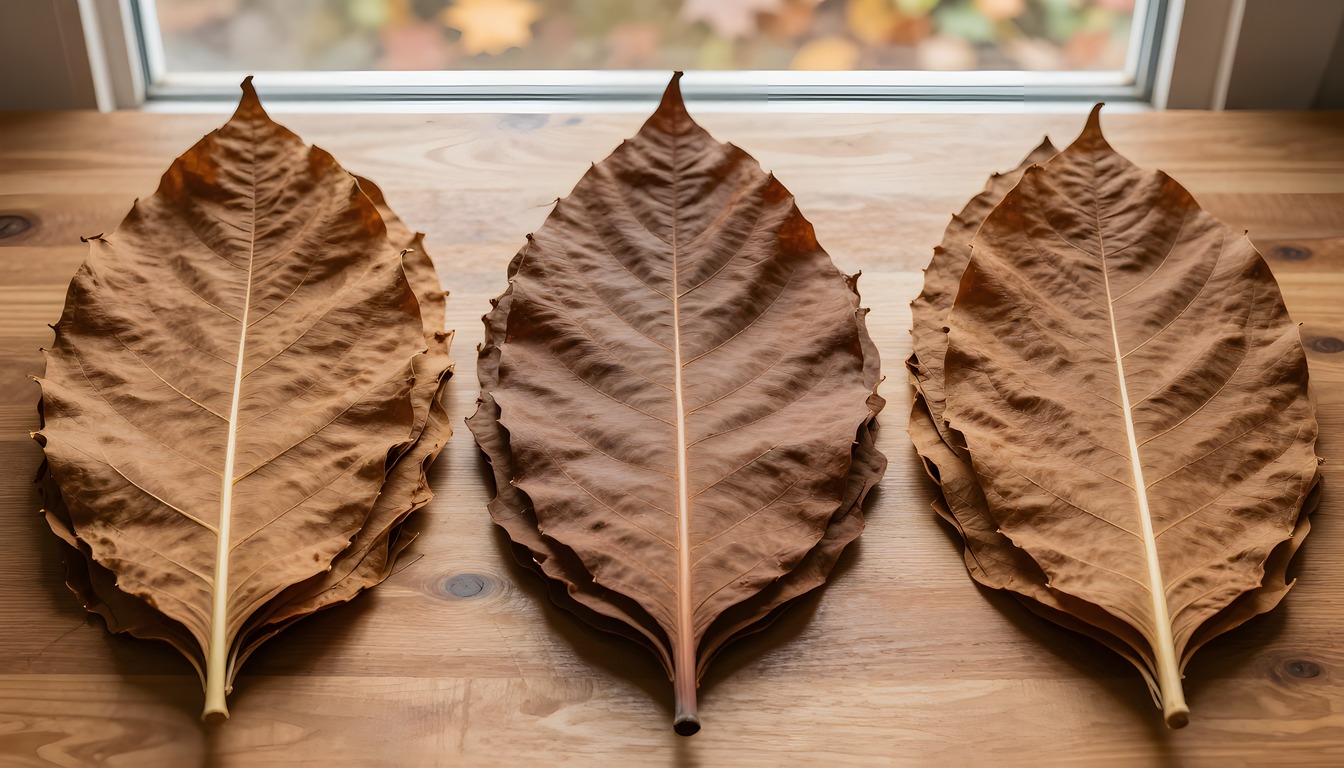
Locally generated editorial illustration of leaf sorting; groupings are illustrative and are not a documented grading standard.
| Source system | Lower category described | Middle category described | Upper categories described |
|---|---|---|---|
| Joya process overview | Seco | Viso | Ligero |
| Habanos sun-grown account | Volado | Seco | Ligero, medio tiempo |
Medio tiempo also needs careful wording
Habanos places medio tiempo in its upper-leaf system. That does not justify treating it as a guaranteed feature of every plant or a universal quality rank. Use the producer's definition when the term appears in a specific release.
If a seller offers a numbered priming instead of a Spanish category, ask for its numbering convention. Do not assume “fifth priming” refers to the fifth individual leaf. The useful information is the actual producer's classification and the tobacco being discussed.
Position, variety, and construction role are separate
A leaf description may identify a country, variety, region, priming, and use in the cigar. These are different facts. Wrapper, binder, and filler describe construction roles; seco, viso, and ligero do not replace those roles.
Habanos even describes selecting the biggest suitable lower volado leaves for binder. Its example shows why leaf position and final use should not be collapsed into one rigid diagram. Selection comes after growing and harvesting.
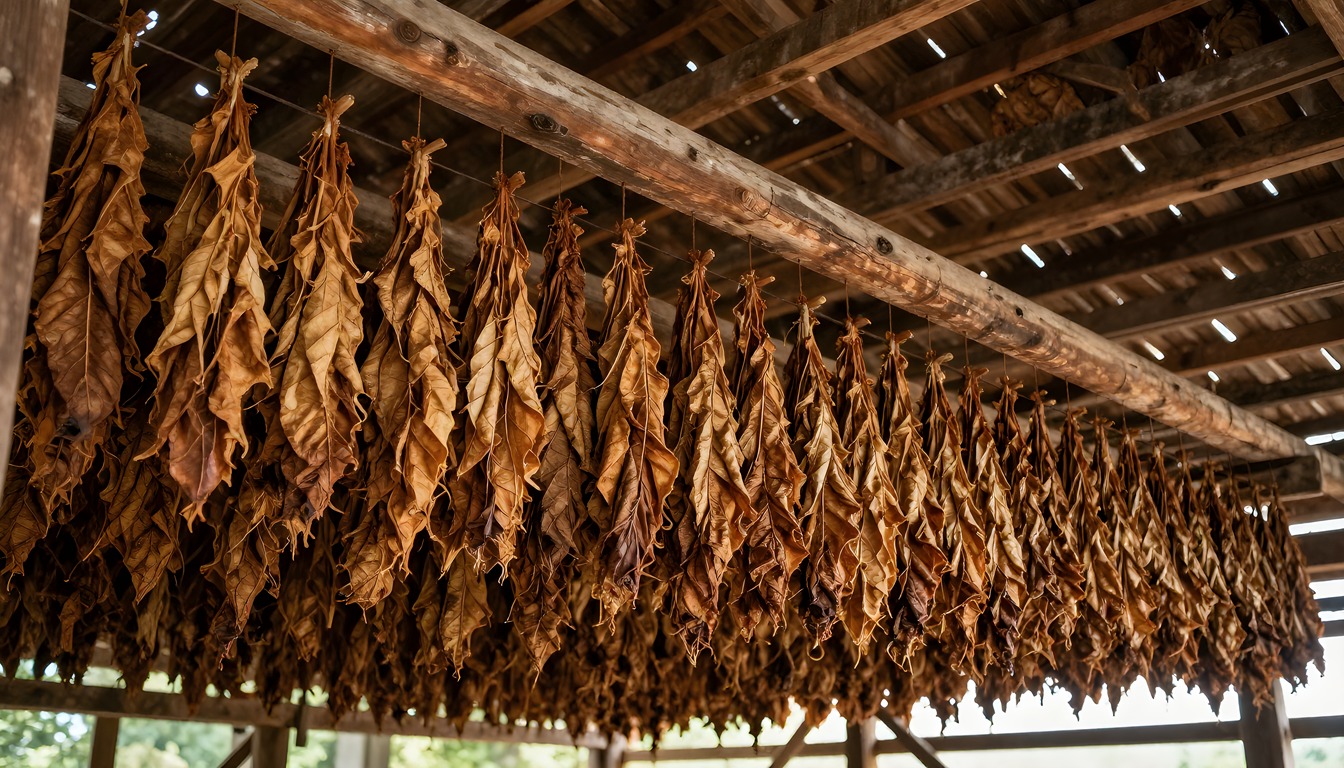
Locally generated editorial illustration of curing leaf; it does not show a named farm, process duration, or production batch.
A priming is not an aging claim
Joya's process account separates priming, curing, fermentation, and subsequent manufacturing. A leaf category therefore does not tell you how long the tobacco was processed or aged. Those details need their own evidence.
For the finished structure, read wrapper, binder, and filler. When you see several descriptors together, keep them in separate columns instead of treating one impressive word as a complete account of the cigar.
Read actual manufacturer language
Oliva describes Serie V as using Jalapa Valley ligero and a high-priming sun-grown wrapper. Notice that the description identifies an interior component and an outer leaf separately. It does not disclose every proportion or give a nicotine assay.
La Flor Dominicana's Double Ligero page calls the cigars powerful and lists estate-grown Dominican binder and filler with an Ecuadorian Sumatra wrapper. The product name does not provide a denominator for calculating a universal “double” percentage.
| Published phrase | Read it as | Do not infer |
|---|---|---|
| Jalapa Valley ligero | Named region and leaf category | Complete filler recipe |
| High-priming wrapper | Maker's description of outer leaf | A standardized numbered row |
| Double Ligero | Product-line name | Twice a universal nicotine amount |
These are examples of published specifications, not tasting results from this article. Use the exact line and size when checking a seller's copy against the manufacturer. A family name can cover several formats and finishes.
Translate a description into a short record
For the Serie V example, write “Jalapa Valley” in the region field and “ligero” in the filler-category field. Keep “high-priming sun-grown wrapper” in the wrapper description. Do not move that phrase into a numbered harvest position or substitute it for the filler proportions.
For Double Ligero, record the exact line name separately from the ingredient specification. The manufacturer’s Dominican binder and filler statement belongs in those component fields. A name that suggests intensity still does not fill the missing percentage column.
Keep unknowns visible
This simple record is useful when a retailer’s description shortens or combines the information. Compare the exact product with its current maker’s page, then ask about a mismatch. Do not blend descriptions from similarly named lines into a recipe that no producer actually published.
Separate flavor from nicotine strength
Tobacconist University explicitly defines strength as nicotine intensity, separate from spice, body, and flavor. That is a useful vocabulary for a shop conversation, though retailers do not always use the words consistently.
Ask what a strength label means rather than trying to infer it from darkness or peppery tasting notes. The wrapper-color analysis addresses another shortcut that leaves out much of the actual blend.
Locally generated editorial illustration of blending components; it does not depict a published formula or measured strength.
Four questions improve a purchase decision
- Which manufacturer and tobacco origin define the priming term here?
- Does the description identify a construction role as well as a leaf category?
- What does the seller mean by strength, body, and flavor?
- Which details are published, and which are still undisclosed?
You do not need a private recipe to choose a cigar. You do need to know what the available description establishes. A priming label becomes useful when it makes your questions more precise, not when it promises an entire experience by itself.
Frequently Asked Questions
Is seco always the lowest leaf category?
No. Joya's process overview lists seco below viso and ligero. Habanos describes volado below seco in its sun-grown system. Retain the producer's terminology instead of imposing one universal diagram.
Does ligero always make a cigar strong?
It often signals upper leaf selected for intensity within a producer's system, but the finished blend and proportions remain relevant. A category name is not a nicotine assay or a guarantee about an individual's response.
Are wrapper, binder, and filler different primings?
No. They are construction roles in a finished cigar. A priming describes a leaf category associated with its position or harvest classification. Read role and priming as separate pieces of information.
Does Double Ligero mean exactly twice the nicotine?
No universal numerical meaning follows from the product name. La Flor Dominicana describes its line and ingredients but does not publish a standardized nicotine comparison on that page. Use its product description without inventing a ratio.