
Domain Cigars’ new Test Blend Portal, reported on November 2, gives selected retailers a route to send tasting feedback to its blenders. When a panel like that splits, the blender should ship the original recipe in a small run instead of sanding it toward the average score.
Reformulating a blend to the panel's average makes a cigar built for nobody, and makers who do it should stop. A blend that half the panel loves is worth more than one that everyone rates a polite 88.
Release the blend that divides the panel
Domain’s announcement, as reproduced in the original report, makes no promise that the experimental cigars will become commercial products. That is the right starting agreement. An invitation to comment should buy a careful hearing, not ownership of the recipe.
Our objection is to changing a blend because panel scores point toward a safer recipe. When tasters split over flavor, the blender should release the original in small volume and let reorders decide. A higher average is no reason to erase the flavor that earned the strongest support.
Consider a hypothetical blend with a dry, woody finish. Some tasters love its restraint. Others want sweetness. Making it sweeter could raise its average score while removing the reason its strongest supporters wanted it. The blender should keep the dry finish and release that cigar. Winning over the sweet-toothed tasters is the wrong goal.
| Feedback a maker receives | What we think it warrants |
|---|---|
| Repeated reports of a tight draw | Investigate construction and sample handling |
| Some love a dry finish; others dislike it | Identify the intended customer before changing the blend |
| Enthusiastic reactions before price is discussed | Test willingness to buy at the proposed price |
| A high average with conflicting written notes | Read the disagreement before choosing a recipe |
The table is our proposed decision rule, not a description of unpublished results. We have no tasting returns from this program and no basis for judging its cigars.
Fix construction; keep the divisive flavor
The portal’s reported feedback fields cover flavor, construction, performance and comments, alongside a personal numerical rating. We would put the written observations first. A maker can investigate when bitterness appeared or how the draw behaved. A total score needs explanation before it becomes useful.
For our own editorial work, this is an awkward admission: we don't earn a seat at the blending table by knowing how to sort a spreadsheet. We like tidy comparisons. A preference split is precisely where tidiness can hide the interesting part.
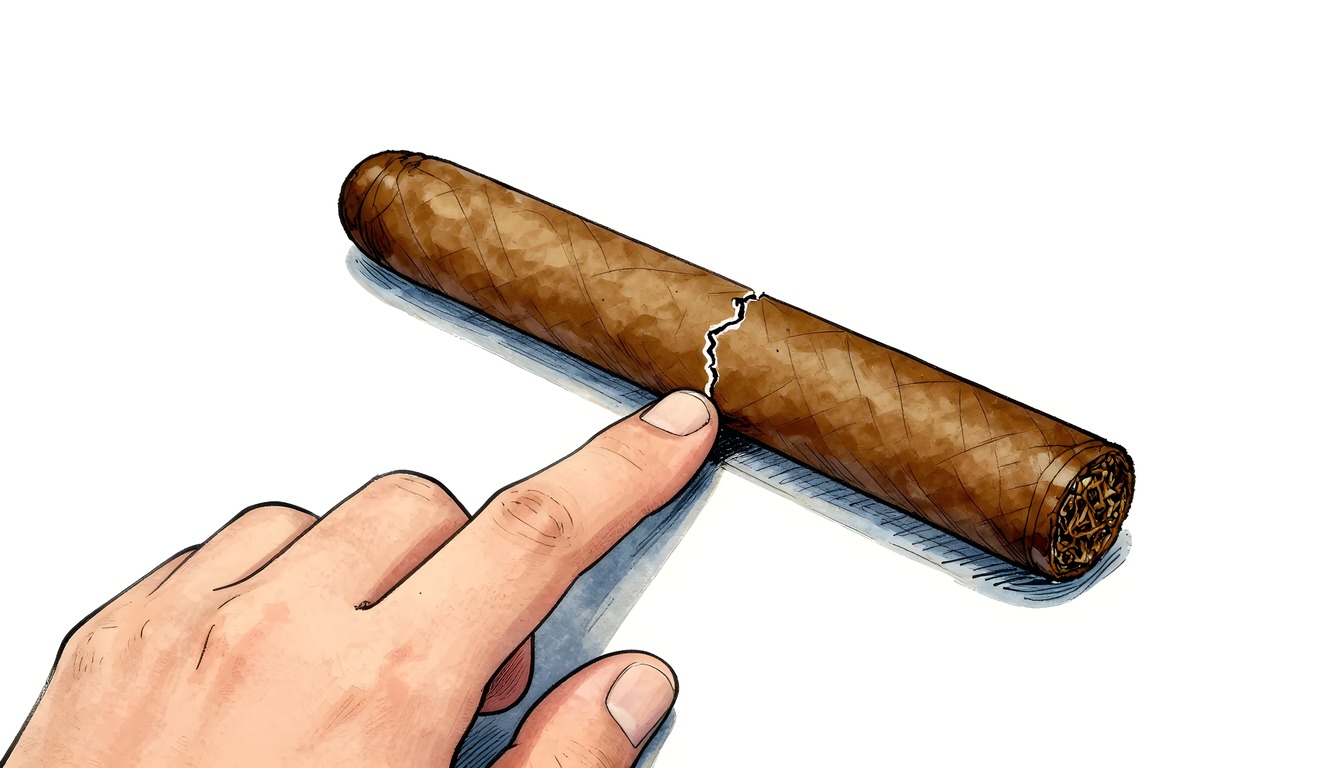
Our draw and burn troubleshooting guide offers language for separating a performance observation from a flavor preference. We would rather receive “the draw tightened after the cut” than “bad cigar.” The former gives someone something to investigate; the latter mostly records displeasure.
There is also a useful procedural example. Cigar Aficionado describes independent blind tasting, with identity and price withheld until scores are finalized. We would borrow that separation for development feedback: collect the tasting judgment before the sales conversation. Then discuss price openly. Both answers matter, for different decisions.
The best case against this
Retailers have to sell the finished cigar. Giving a blender absolute artistic authority can become an expensive excuse for ignoring the people expected to recommend it. A maker who dismisses every unwelcome reaction as a failure of understanding deserves to lose the order.
Mardo’s response to the portal makes a strong case for retailer involvement: shops can guide useful feedback and connect customers with the people developing the tobacco. The retailer explicitly says it isn't part of the program. Its enthusiasm is an argument for the approach, not a report of participating results.
| Decision | Who keeps the final say |
|---|---|
| Decline an order | A shop can say this cigar has no place in its humidor. |
| Rewrite the blend | The maker can decide it belongs elsewhere, or abandon it. |
| Accept a compromise | Neither side owes the other a compulsory compromise. |
There is a broader first-party example, too. Cigar World’s Testing Lab invites age-verified, approved participants to provide research responses and, when selected, feedback on cigars. Consumer input belongs in development. Excluding it would mean voluntarily learning less about what customers enjoy.
That is the strongest objection to our position: the shop and its customers may recognize a commercial failure before the maker does.
That risk argues for a small release, not a safer recipe. A retailer can decline the cigar; the blender should still offer the unchanged blend to buyers who want it. Reorders should settle the commercial argument.
Find the audience by shipping the difficult cigar
A small release should test the disagreement in the market. Imagine tasting notes clustering around the same peppery finish, with some people delighted and others exhausted. The blender should give those delighted tasters the chance to buy that exact blend again at the intended price.
Release the unchanged blend through shops willing to stock it, then judge the reorders. If buyers don't return, stop producing it. The blender should accept that loss rather than rewrite the recipe to satisfy the original panel. A narrow release gives the cigar a fair test without requiring broad approval.
For adult enthusiasts comparing their own reactions, our tasting notebook guide is a useful starting point. Record what happened and whether you wanted another. When giving development feedback, add what you would change and what you would hate to lose. That last answer deserves more attention.
We would also separate taste approval from production approval. A proposed change should trigger a conversation about leaf availability, repeatability and cost. These are questions to put to the maker, not facts a tasting panel can establish from a sample.
A flavor split should trigger a smaller release, not a recipe change. Fix construction that undermines the intended profile, but keep a divisive finish intact. If reorders fail, stop making that cigar. The maker owes an explanation of the profile, not a promise to make it please everyone.
Ship it unchanged and let reorders decide
Changing a blend because panel scores point toward the middle is the practice we oppose. A divided panel should lead to a small release of the original recipe. Construction faults warrant repairs; disagreement about a dry or peppery finish does not. The cigar should reach the customers who might love it before the maker smooths away their reason to care.
Retailers should get a say in what they stock, not in what goes into the cigar.
Sources
- Domain Cigars Launches Test Blend Portal, Cigar Coop, 2026-11-02.
- Smokers Get a Say: How Domain Cigars Is Opening Its Blending Room, Mardo Cigars, 2026-11-03.
- Cigar World Testing Lab, Cigar World, 2026-11-04 (accessed; page undated).
- How Cigar Aficionado Tastes Cigars, Cigar Aficionado, 2020-03-30.