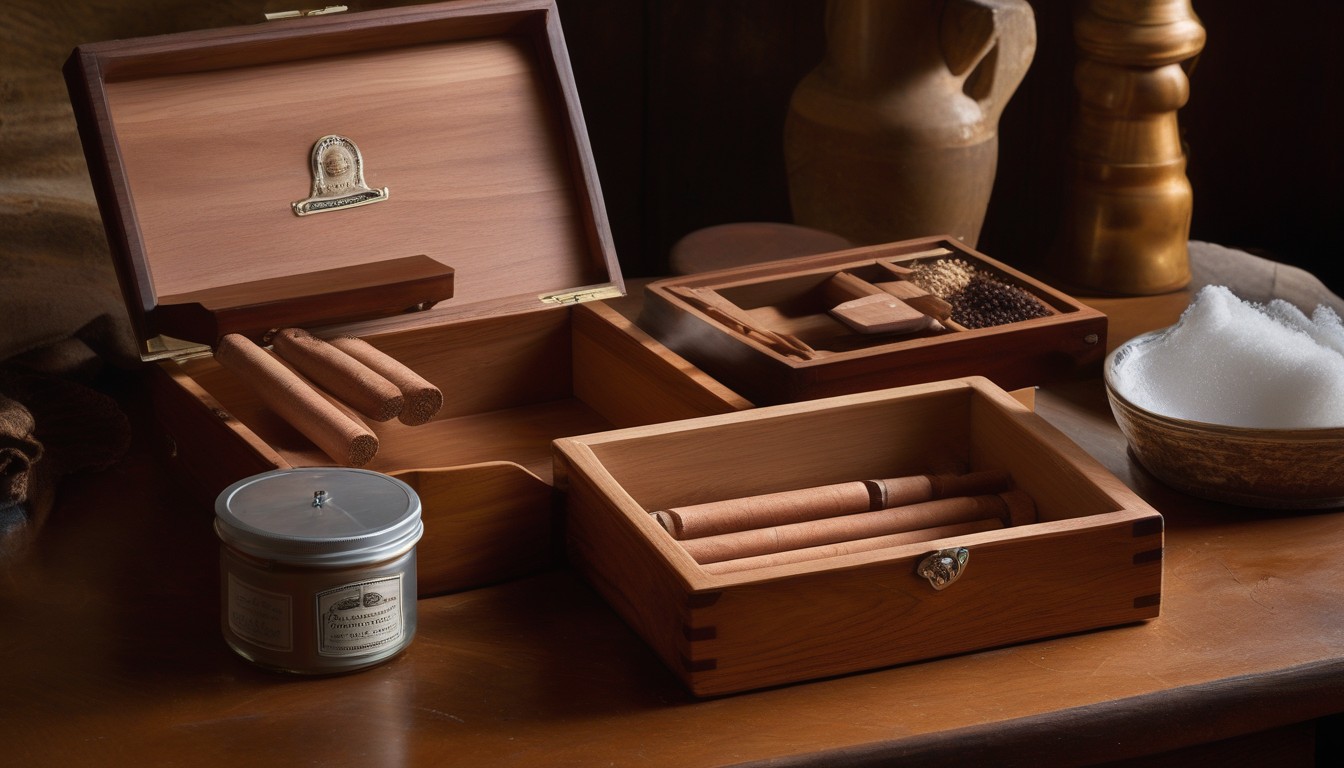
Mi abuelo had a humidor that he swore took him three weeks to season properly back in 1970-something. He'd wipe it down with a damp cloth, check it every morning before coffee, and mutter under his breath about humidity readings like he was monitoring a patient in the ICU. When I got my first humidor at nineteen, he supervised the entire seasoning process from his rocking chair in the back of our Tampa shop. "Don't rush it, mija," he said. "The wood needs to drink."
He was right. A humidor that isn't properly seasoned will steal moisture from your cigars like a sponge. That beautiful Spanish cedar lining? It's bone-dry when it's new, and it will suck every drop of humidity out of the air before your cigars get a chance. Season it wrong, and you'll spend weeks wondering why your hygrometer won't hold steady. Season it right, and that humidor will keep your cigars perfect for decades.
Why Seasoning Matters (The Science Part)
Spanish cedar is hygroscopic -- it absorbs and releases moisture from its environment. When your humidor arrives from the factory, that cedar has been sitting in a warehouse or shipping container with ambient humidity of maybe 30-40%. Your cigars need 65-72% relative humidity to stay happy.
If you throw cigars into an unseasoned humidor, the dry cedar absorbs moisture from the air faster than your humidification device can replace it. Your cigars dry out. They crack. They taste like you're smoking a newspaper. Nobody wants that.
Seasoning is the process of slowly bringing that cedar up to its equilibrium moisture content -- basically saturating the wood so it stops being a moisture thief and starts being a moisture partner. Think of it like soaking a new clay pot before you plant in it. Same principle, different hobby.
Method 1: The Boveda Seasoning Pack (My Recommendation)
This is what I tell everyone to do now. It's foolproof, it's clean, and it's what abuelo would have used if it had existed in his day. Boveda makes seasoning packs specifically designed for this purpose -- they're 84% RH packs that release a precise amount of moisture over time.
What you need:
- Boveda 84% RH seasoning packs (one per 25 cigars of humidor capacity)
- Your new humidor
- Patience (5-14 days)
Step by step:
-
Unbox your humidor and remove any plastic wrapping, dividers, or trays. You want every surface of Spanish cedar exposed.
-
Place the Boveda packs inside. Put them directly on the cedar -- bottom, sides, and on the trays if your humidor has them. Don't unwrap them from the plastic packaging; they work through the membrane.
-
Close the lid and walk away. Seriously. Don't open it. Every time you open the lid, you release moisture and extend the process. I know it's tempting. Resist.
-
Wait 14 days. Boveda says a minimum of 14 days for a new humidor, and I agree. Some people say 5-7 days is enough, but why rush it? Abuelo's voice in my head says patience.
-
Check the seal. After 14 days, the Boveda packs will feel slightly less plump than when they started. That's normal -- the cedar absorbed their moisture. If they feel completely rigid or bone-dry, your humidor might have a seal issue.
-
Remove the seasoning packs and replace them with your regular Boveda 69% or 72% packs (whichever humidity level you prefer for storage). Let those stabilize for 24 hours.
-
Load your cigars. You're done, mija. Enjoy.
Method 2: The Distilled Water Wipe-Down (Old School)
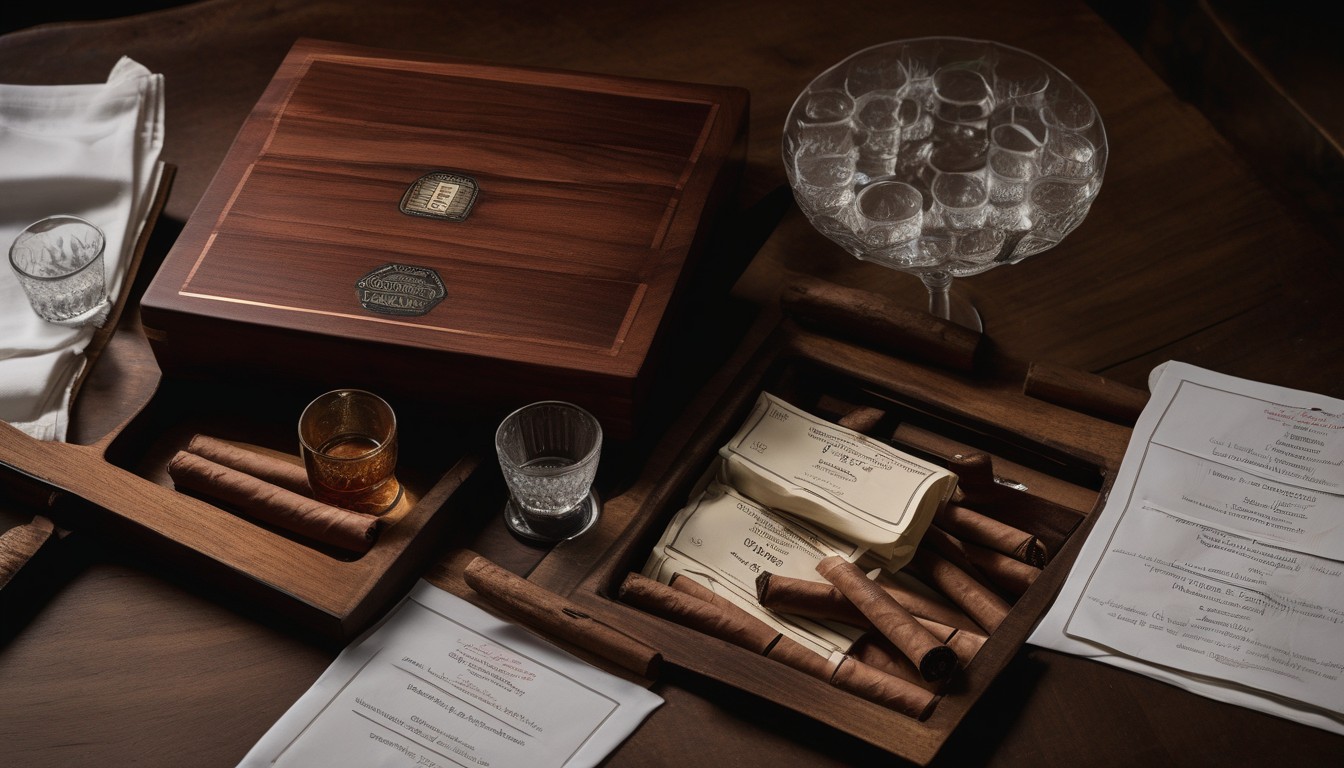
This is the method abuelo taught me, and it works perfectly well. It's just more labor-intensive and has a slightly higher margin for error. Some old-timers swear by it. I respect that.
What you need:
- Distilled water (never tap water -- minerals cause mold)
- A new, clean sponge or lint-free cloth
- A small dish or shot glass
- Your hygrometer (calibrated -- more on that below)
Step by step:
-
Dampen your sponge with distilled water. Wring it out thoroughly. You want damp, not dripping. If water runs when you squeeze, it's too wet. Excess water pooling on cedar can cause warping and mold.
-
Wipe down all interior cedar surfaces. Bottom, sides, lid, trays, dividers -- everything. Use gentle, even strokes. Don't soak the wood; you're applying a thin film of moisture, not giving it a bath.
-
Place the damp sponge on a plastic bag or small dish inside the humidor (never directly on cedar -- standing water causes problems). Add a shot glass filled with distilled water alongside it for extra humidity.
-
Close the lid and wait 24 hours.
-
Check and repeat. Open the humidor, re-dampen the sponge, wipe down the cedar again. Check if the wood feels slightly cool to the touch -- that means it's absorbing moisture. Repeat this process every 24 hours.
-
Monitor with your hygrometer. After 3-4 wipe-downs, place your calibrated hygrometer inside. You're looking for it to hold around 70-75% RH with the lid closed.
-
When the humidity stabilizes (holds steady for 24 hours without dropping), remove the sponge and water, add your humidification device, and load your cigars.
This method typically takes 5-7 days for a small humidor and up to two weeks for a large one. The cedar is saturated when it stops absorbing moisture quickly and your readings hold steady.
Method 3: The Hybrid Approach
Some people combine methods -- do one wipe-down with distilled water to jumpstart the process, then let Boveda packs finish the job. This can shave a few days off the Boveda-only timeline. I've done it for larger humidors (100+ capacity) where the seasoning packs alone take forever.
Do one gentle wipe-down, close the lid for 12 hours, then add Boveda 84% packs and wait 10-12 days. The initial wipe gives the wood a head start, and the Boveda packs maintain precise humidity for the rest of the process.
Calibrating Your Hygrometer First
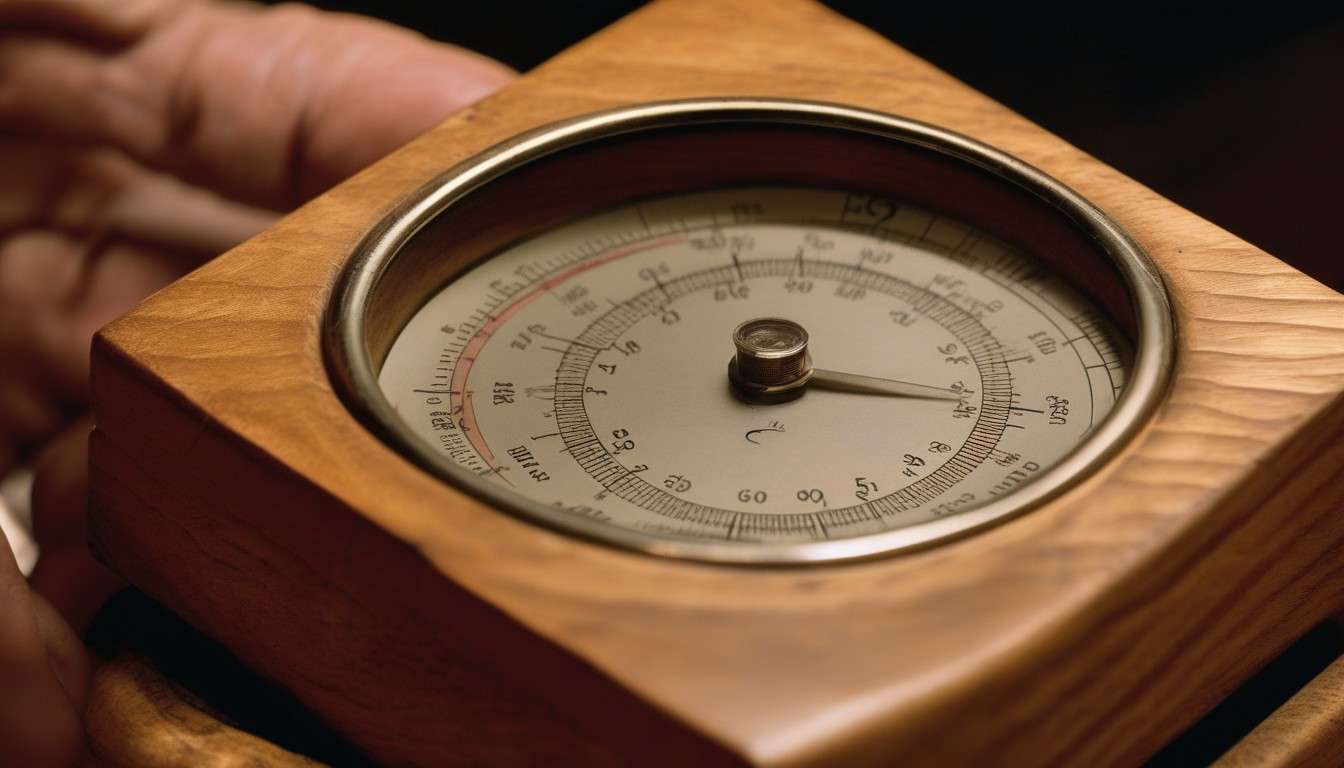
This is the step everyone skips, and it drives me loca. Your hygrometer is only useful if it's accurate, and most analog hygrometers are off by 5-10% right out of the box. Even digital ones should be verified.
The salt test: Put a tablespoon of table salt in a bottle cap, add enough water to make a paste (not a puddle), place the cap and your hygrometer together in a sealed ziplock bag, and wait 12 hours. The hygrometer should read exactly 75%. If it reads 70%, you know it's 5% low. Adjust accordingly.
Boveda also sells a calibration kit that works the same way but with more precision. Either method takes 12 hours and saves you weeks of frustration from chasing bad readings.
I've seen people throw away perfectly good humidors because they thought the seasoning failed, when it was actually a $10 hygrometer reading 8% low. Calibrate first. Always.
The Mistakes That Ruin Everything
Using tap water. Tap water contains minerals and chlorine that can promote mold growth and leave deposits on your cedar. Always use distilled water. It's $1 at the pharmacy.
Over-wetting the cedar. If water pools on the surface or the wood looks visibly wet, you've used too much. Blot it dry immediately. Standing water leads to warping, mold, and ruined cigars.
Using a steam gun or holding over boiling water. I've seen this recommended online and it makes me cringe. Rapid steam exposure can warp the wood and crack the seal. Slow and steady, por favor.
Opening the lid every few hours to check. Each time you open the lid, you release accumulated humidity and reset the clock. Check once every 24 hours, maximum. Set a reminder on your phone if you lack self-control (no judgment -- I was the same way with my first one).
Skipping the seasoning entirely. "I'll just throw in extra Boveda packs." No. The cedar will absorb moisture from those packs AND your cigars simultaneously. Your cigars lose. Season the wood first, then store cigars. There is no shortcut.
What About Acrylic Humidors and Tupperdors?
Good news: if your humidor doesn't have Spanish cedar, you don't need to season it. Acrylic jars, glass-top display humidors with sealed interiors, and tupperdors just need a Boveda pack dropped in and they're ready to go.
The seasoning process exists specifically because Spanish cedar absorbs moisture. No cedar, no seasoning needed. Tupperdors are honestly the easiest storage solution for beginners -- read our cigar storage guide for the full breakdown.
How to Know Seasoning Is Complete
Your humidor is properly seasoned when:
- Humidity holds steady at your target (69-72%) for at least 24-48 hours with your regular humidification device installed and no cigars inside
- The cedar feels slightly cool to the touch (not wet, not dry -- just cool)
- The hygrometer doesn't drop more than 1-2% overnight
- The Boveda seasoning packs (if using) have noticeably firmed up, indicating the cedar absorbed their moisture
If your humidity keeps dropping, the cedar isn't saturated yet. Give it more time. Larger humidors (100+ cigar capacity) can take 2-3 weeks. Cabinet humidors might take even longer. The wood volume matters -- more cedar means more moisture needed.
Your First Week with Cigars Inside
Once your cigars are in, watch the humidity for the first week. It's normal for readings to fluctuate 2-3% as the system finds its equilibrium. The cigars themselves are contributing and absorbing moisture, and the cedar is still settling in.
If humidity drops below 65%, add another Boveda pack. If it climbs above 75%, crack the lid for an hour. After about a week, things should stabilize and you can stop obsessing. Check once a week after that -- or whenever abuelo's ghost reminds you.
Seasoning Timeline Cheat Sheet
| Humidor Size | Boveda Method | Wipe-Down Method | Hybrid Method |
|---|---|---|---|
| Small (25-50 cigars) | 14 days | 5-7 days | 10-12 days |
| Medium (50-100 cigars) | 14-18 days | 7-10 days | 12-14 days |
| Large (100-200 cigars) | 18-21 days | 10-14 days | 14-18 days |
| Cabinet (200+) | 21-28 days | 14-21 days | 18-21 days |
The Investment Is Worth It
I know. Two to three weeks of staring at an empty humidor feels like forever when you've got cigars waiting to go in. But seasoning is the single most important thing you can do for your cigar collection. A properly seasoned humidor maintains consistent humidity for years with minimal maintenance. A poorly seasoned one fights you every day.
Abuelo's humidor, the one he spent three weeks seasoning in the seventies? My cousin still uses it. The cedar inside is dark with age, fragrant with fifty years of cigar oils, and holds humidity like it was designed by NASA. That's what proper seasoning gets you -- a lifetime tool, not a temporary box.
Take the time. Do it right. Your cigars will thank you, and so will your cigar accessories investment. Paciencia, amigos.