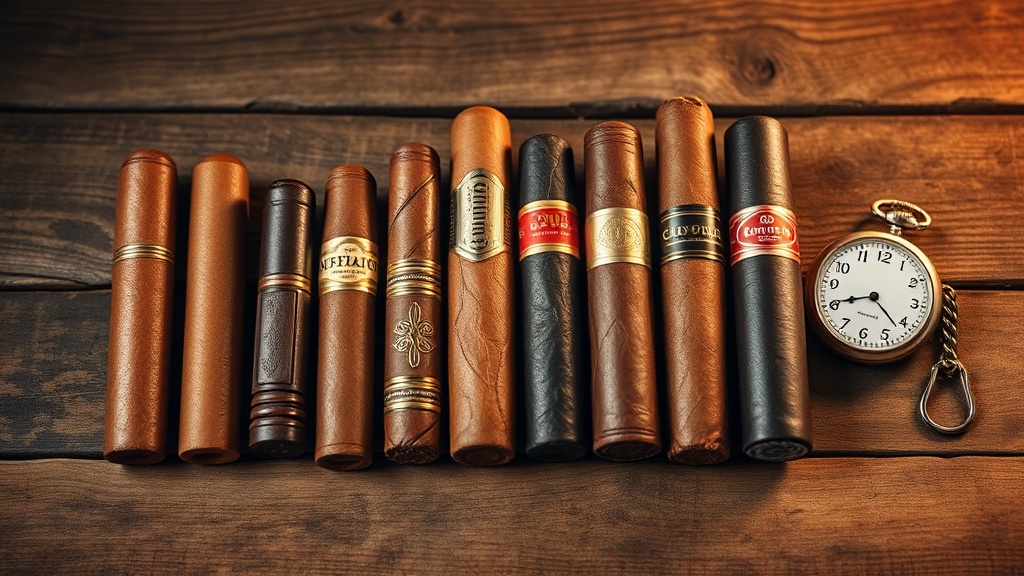
I'm going to tell you something that took me way too long to figure out: there's no single answer to "how long does a cigar take to smoke?" And honestly, that used to stress me out.
Back when I first started smoking, I'd sit on my friend's patio in Ybor City with a cigar and just... wonder. Am I smoking this too fast? Too slow? Is everyone else done before me because I'm doing something wrong? Turns out, I was puffing like a chimney because I was nervous, and my cigar tasted like hot garbage as a result. Mi abuela would've smacked my hand and told me to slow down.
So here's the thing -- the time it takes to smoke a cigar depends on a bunch of factors, but the most obvious one is size. And I don't mean that in a vague way. Let me actually break it down for you.
The Size-by-Size Breakdown
I've smoked enough of every size to give you real-world numbers, not the manufacturer's fantasy times. Here's what you're actually looking at:
| Cigar Size | Typical Dimensions | Realistic Smoke Time |
|---|---|---|
| Petit Corona | 4.5" x 40-42 | 20-30 minutes |
| Corona | 5.5" x 42-44 | 30-45 minutes |
| Robusto | 5" x 48-52 | 45-60 minutes |
| Toro | 6" x 50-52 | 60-75 minutes |
| Churchill | 7" x 47-48 | 75-100 minutes |
| Double Corona | 7.5" x 49-52 | 90-120 minutes |
| Gordo/60 Ring | 6" x 60 | 75-90 minutes |
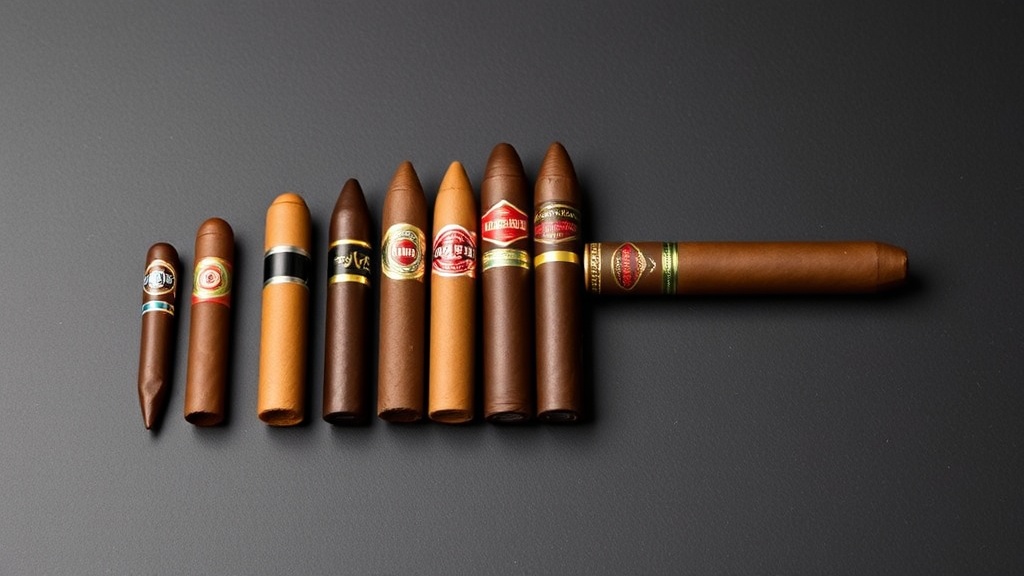
Now, those are averages. Your mileage will absolutely vary, and I'll get into why in a second. But if someone hands you a Churchill and says "quick smoke before dinner," you need new friends. Or a later reservation.
Ring Gauge Matters More Than You Think
Here's something that trips people up -- length isn't the only thing that determines smoke time. Ring gauge (the thickness of the cigar) plays a huge role too.
A thicker cigar has more tobacco packed into each inch, which means each puff delivers more smoke and the cigar burns longer per inch of length. A 6" x 60 Gordo might actually last longer than a 7" x 42 Churchill, even though it's shorter. I learned this the hard way when I grabbed what I thought was a "quick" short robusto that turned out to be a 54 ring gauge and lasted well over an hour.
The general rule: fatter cigars burn slower per inch but produce more smoke per puff. Thinner cigars let the wrapper dominate the flavor more. Both are great -- it just depends on what you're in the mood for.
What Else Affects Burn Time?
Size is the biggest factor, but it's not the only one. Here's what else changes your smoke time:
Humidity. A cigar that's been sitting at 72% relative humidity is going to burn slower -- and potentially unevenly -- compared to one resting at 65%. I keep mine around 65-67%, and they smoke beautifully. If your cigar is fighting you and going out constantly, it might be over-humidified. (Ask me about the time I moved to Tampa and didn't adjust my humidor for the Florida humidity. Canoeing disaster.)
Wind. Smoking outside on a breezy day? Your cigar's going to burn faster. The airflow acts like a bellows, keeping the cherry hot and moving through the tobacco quicker. I've had a Robusto that should've lasted an hour disappear in 40 minutes on a windy evening on my friend's boat.
How often you puff. This is the big one, and my hot take: most people smoke their cigars way too fast. If you're puffing every 15-20 seconds, you're not just shortening the smoke -- you're overheating the tobacco and getting bitter, harsh flavors. The sweet spot is about one puff every 45-60 seconds. I know, it feels like forever when you're new to it. But trust me, that patience pays off in flavor.
Wrapper type. Thicker wrappers like Maduro or Habano tend to burn a touch slower than thinner Connecticut shade wrappers. It's not a dramatic difference, but it's there.
Construction. A tightly rolled cigar burns slower. A loosely packed one burns faster (and sometimes tunnels, which is annoying). Premium hand-rolled cigars tend to be more consistent here than machine-made ones.
Picking the Right Cigar for the Moment
This is actually the most practical part of understanding smoke times, and it's something I wish someone had told me early on.
The lunch break smoke (20-30 minutes). You want a Petit Corona or a small cigarillo. My go-to quick smoke is the Arturo Fuente Hemingway Short Story -- it's a perfecto that runs about 25-30 minutes and packs a ton of flavor into that window. Perfect for when you've got a sliver of time between meetings or before the kids get home from school.
The after-dinner session (45-60 minutes). Robusto territory. This is probably the most popular cigar size in America for a reason -- it fits perfectly into an evening window. Light up after dinner, enjoy it with a drink, and you're done before it gets too late. A Padron 3000 Maduro is my personal pick here.
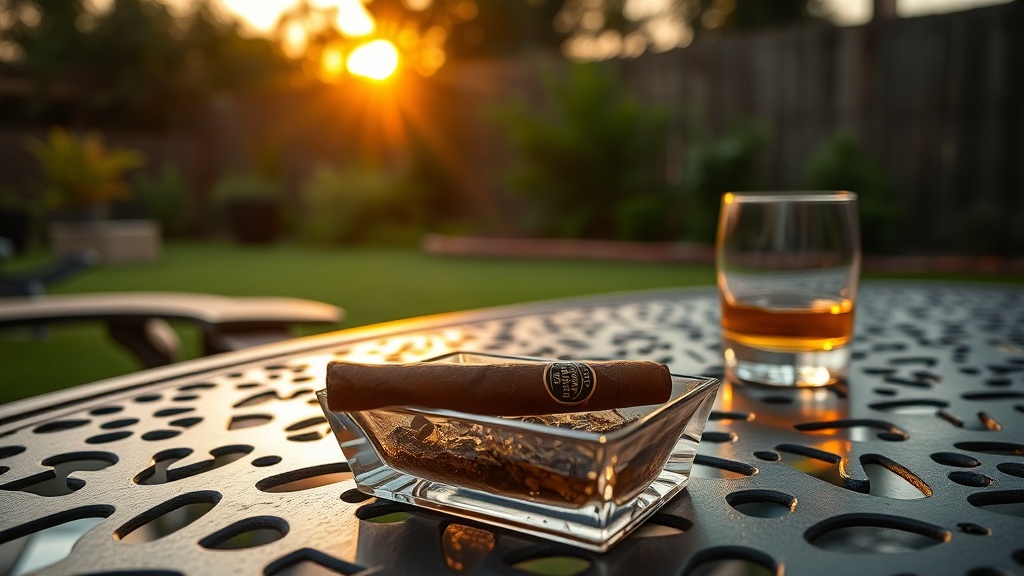
The lazy Saturday (90-120 minutes). Break out the Churchill or Double Corona. This is when you've got nowhere to be, maybe some good music playing, a nice pour of something -- and you want to just exist for a while. These long smokes usually evolve through two or three distinct flavor phases, which is part of the fun.
The golf course special (60-75 minutes). Toro. Long enough to last several holes, not so long that you're still nursing it on the back nine. Plus the slightly larger ring gauge means it handles outdoor conditions better than a thin lancero would.
When to Put a Cigar Down
You don't have to finish every cigar. I know that sounds like sacrilege to some folks, but hear me out.
The last inch or two of any cigar gets hotter and more intense. If you're not enjoying it anymore -- if it's getting bitter, too hot, or just not pleasant -- put it down. (For tips on proper smoking technique, we've got a whole guide.) You got the best part already. Most of a cigar's character and flavor lives in the first two-thirds.
Just set it in the ashtray and let it go out on its own. Don't crush it like a cigarette -- that releases a ton of stale smoke smell and, honestly, it just looks wrong. A cigar goes out with dignity. Let it.
Relighting: It's Fine, Actually
Your cigar went out because you got distracted talking, or the wind killed it, or you set it down for too long? Relight it. It's not a big deal.
Here's my method: gently blow through the cigar first to push out any stale smoke trapped inside. Then toast the foot again like you're lighting it fresh. The first couple of puffs might taste a little off, but it'll smooth out quickly.
The one caveat -- if a cigar's been sitting dead for more than 30-45 minutes, it's going to taste pretty rough on the relight. At that point, just let it go and grab a fresh one. Life's too short for bitter tobacco.
The Real Answer
So how long does a cigar take to smoke? Somewhere between 20 minutes and two hours, depending on size, conditions, and how you smoke. But the actual answer is this: a cigar takes exactly as long as it takes for you to enjoy it.
I spent my first year worrying about doing everything "right" -- the perfect puff count, the ideal ash length, the correct smoke time. You know what my grandfather told me when I asked him how long I should smoke my cigar? "Hasta que ya no te guste, mija." Until you don't like it anymore.
That's the only timer you need.