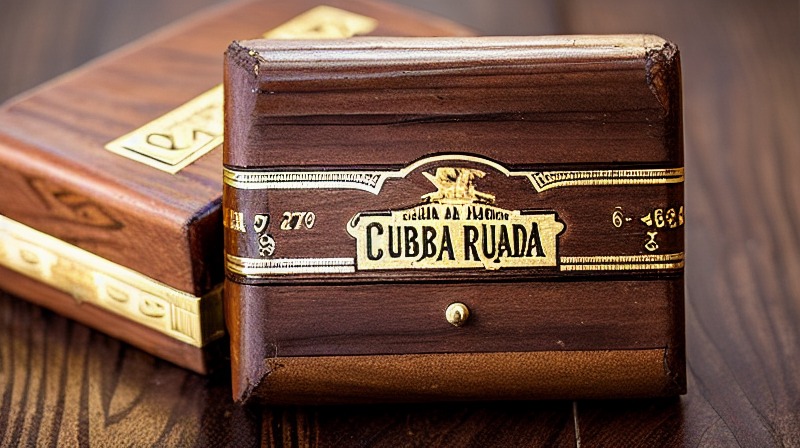
As a sommelier, I was trained to understand that great things are shaped by time — that a wine's character is the product of centuries of accumulated knowledge, specific geography, and historical circumstance. Cuban cigars embody this principle perhaps more completely than any other luxury product on earth. Their story spans over five centuries, encompasses revolution and exile, and continues to stir passionate debate today.
This is the history of the world's most famous cigars.
Before Columbus: The Indigenous Origins
Long before Europeans arrived in the Caribbean, the Taino people of Cuba were cultivating and smoking tobacco. They called it "cohiba" — a word that would eventually become the name of Cuba's most prestigious cigar brand. The Taino smoked rolled tobacco leaves in religious ceremonies, for medicinal purposes, and as a social ritual. When Columbus's crew first encountered the practice in November 1492, they described the Taino rolling dried leaves into a cylinder and lighting one end while inhaling from the other.
The Spanish were initially bewildered by smoking but quickly became converts. By the early 1500s, Spanish sailors and colonists had developed a voracious appetite for Cuban tobacco, and the first exports to Europe began. The seed of a global industry had been planted.
The Rise of Havana
By the late 1700s, Cuba had established itself as the world's premier source of tobacco. The island's unique combination of climate, soil, and accumulated cultivation knowledge produced leaf that was recognized as superior to tobacco grown anywhere else.
Havana became the center of the cigar trade. The city's location — a natural deep-water harbor at the crossroads of Atlantic shipping routes — made it an ideal hub for exporting cigars to the voracious markets of Europe and, eventually, North America.
The Cuban monarchy and then the Spanish Crown recognized tobacco's economic importance and attempted to monopolize production through the Real Factoria de Tabacos (Royal Tobacco Factory), established in 1717. This government monopoly provoked violent resistance from independent tobacco farmers — the vegueros — who staged multiple revolts. The conflict between state control and private cultivation would echo through Cuban cigar history for centuries.
The Golden Age: 1850-1959
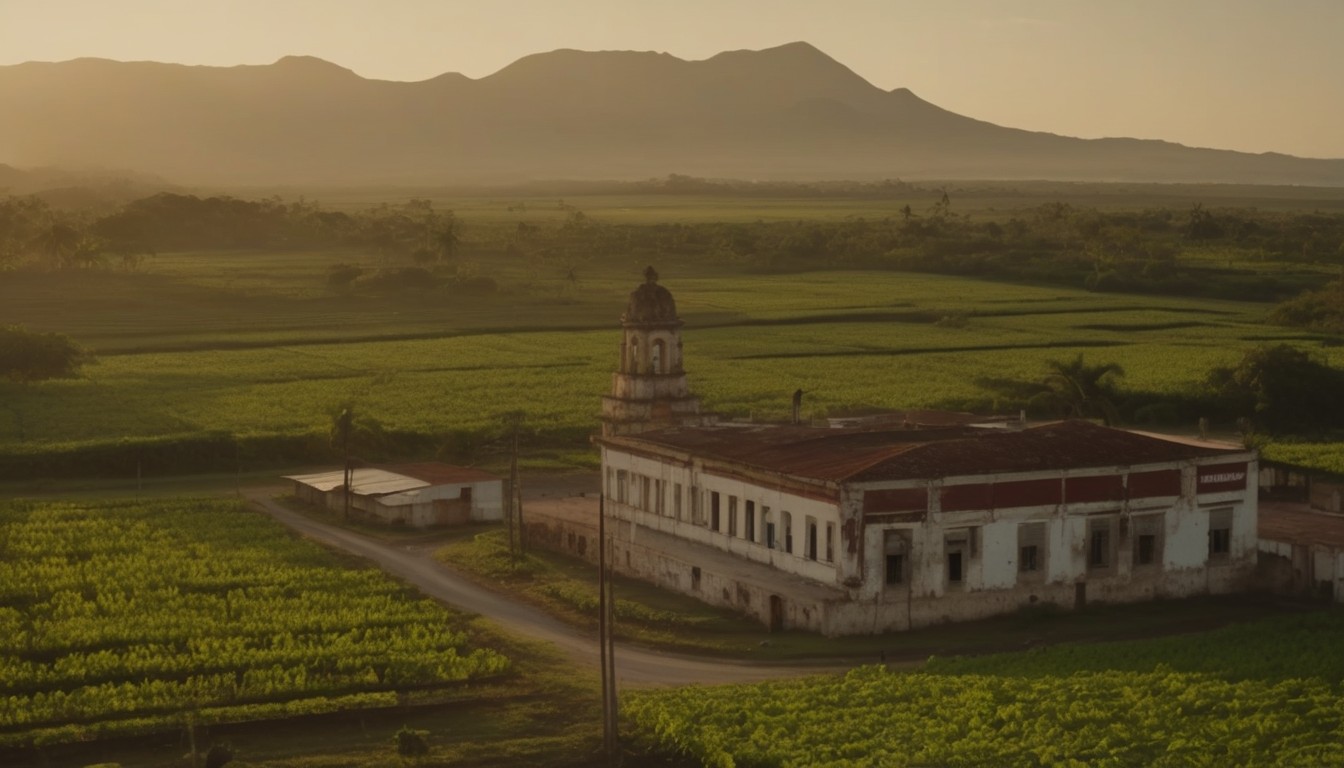
The mid-19th century through the mid-20th century represents the Golden Age of Cuban cigars. During this period, the great cigar brands that still resonate today were established.
Partagas was founded in 1845 by Jaime Partagas, who revolutionized the industry by purchasing his own tobacco farms in the Vuelta Abajo region, ensuring control over his raw materials from seed to cigar. The Partagas factory on Industria Street in Havana — still operating today — became famous for its lectura tradition, where a "lector" would read newspapers and novels aloud to the torcedores as they worked.
H. Upmann was established in 1844 by German banker Herman Upmann, who began by sending cigars to his European banking colleagues. The brand's banking heritage is reflected in the distinctive bank note-inspired bands that the brand still uses.
Romeo y Julieta was founded in 1875 and became famous under the ownership of Jose "Pepin" Rodriguez Fernandez, who personally traveled the world promoting his cigars and is credited with bringing Cuban cigars to Winston Churchill, who became perhaps history's most famous cigar aficionado.
Montecristo, established in 1935, was named after Alexandre Dumas's novel "The Count of Monte Cristo," which was a favorite of the torcedores who listened to it during the lectura readings. It quickly became one of the best-selling Cuban brands.
Cohiba has a different origin story. Legend holds that one of Castro's bodyguards noticed the exceptional quality of cigars being rolled by a local torcedor named Eduardo Rivera. The cigars were brought to Castro's attention, and by 1966, Cohiba was being produced exclusively as a gift for diplomats and heads of state. It wasn't made available to the public until 1982.
During this golden age, the Vuelta Abajo region was firmly established as the world's most prized tobacco-growing area. The region's red, sandy soils — rich in iron oxide and organic matter — combined with the specific microclimate created by the Sierra del Rosario mountains produced tobacco of unmatched complexity and finesse.
The Revolution and Its Aftermath
On January 1, 1959, Fidel Castro's revolutionary forces took power in Cuba. The consequences for the cigar industry were seismic.
In September 1960, the Cuban government nationalized all cigar factories and tobacco operations under the control of Cubatabaco, the state tobacco monopoly. Private ownership of cigar brands, factories, and tobacco farms was abolished overnight.
The great cigar families faced their moment of decision. Many chose exile.
The Menendez family, owners of H. Upmann and Montecristo, fled to the Canary Islands and later established production in the Dominican Republic and Honduras. The Cifuentes family, whose Partagas brand was one of Cuba's most beloved, attempted to continue production outside Cuba. The Palicio family (Romeo y Julieta) relocated operations to Honduras.
This exodus created a legal and commercial tangle that persists to this day. Many iconic Cuban brands now exist in duplicate — a Cuban version owned by the state and controlled by Habanos S.A., and a non-Cuban version owned by the descendants of the original founders or companies that acquired their rights. Montecristo, Romeo y Julieta, Partagas, H. Upmann, and Punch all have both Cuban and non-Cuban incarnations, often with dramatically different blends and character.
The Embargo and Its Impact
On February 7, 1962, President John F. Kennedy signed the U.S. trade embargo against Cuba. Legend has it that the evening before signing the order, Kennedy instructed his press secretary, Pierre Salinger, to buy every Petit Upmann cigar he could find in Washington — Salinger returned with 1,200. The next morning, Kennedy signed the embargo.
The embargo's impact on the Cuban cigar industry was profound. The United States had been Cuba's largest market, and overnight, that market vanished. Cuba was forced to redirect its exports to Europe, Asia, and the rest of the Americas, fundamentally reshaping the global cigar trade.
For American cigar lovers, the embargo created the forbidden fruit effect that elevated Cuban cigars to almost mythical status. The inability to legally purchase Cuban cigars in the U.S. made them objects of desire that transcended their actual quality — a mystique that persists even as the reality of Cuban cigar production has become more complicated.
The Modern Era: Habanos S.A.
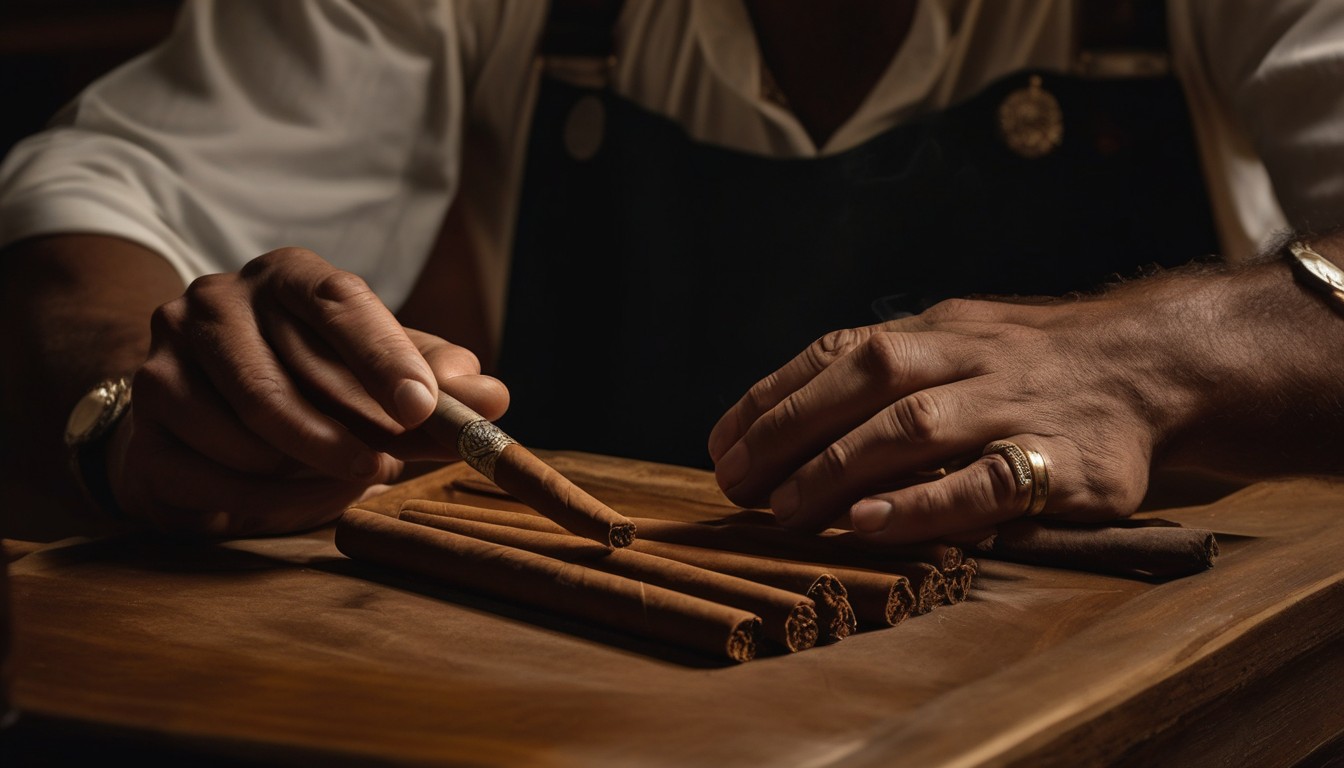
Since 1994, Cuba's cigar exports have been managed by Habanos S.A., a joint venture between Cubatabaco and the Imperial Brands subsidiary Altadis. Habanos S.A. controls the production, marketing, and global distribution of all Cuban cigar brands.
The organization has overseen significant changes in the industry. New brands like Trinidad (originally a diplomatic gift cigar like Cohiba) and San Cristobal de la Habana have been launched. Existing brands have been rationalized, with some vitolas (sizes) discontinued and new ones introduced. Limited edition and regional edition releases have become annual events that generate enormous collector interest.
However, the modern era has also brought challenges. Quality control issues have been a persistent concern, with reports of tight draws, uneven burns, and inconsistent aging among Cuban cigars. The nationalized industry has struggled at times to maintain the meticulous standards that the founding families enforced when their reputations and livelihoods depended on every cigar.
Meanwhile, the diaspora families have thrived. The Fuentes in the Dominican Republic, the Padrons in Nicaragua, and dozens of other Cuban-descended cigar makers have built thriving businesses that now compete directly with — and in many aficionados' opinion, surpass — contemporary Cuban production. The comparison between Cuban and non-Cuban cigars has become one of the industry's most enduring debates.
Vuelta Abajo: The Terroir That Started It All
No history of Cuban cigars is complete without understanding Vuelta Abajo, the region that produces Cuba's finest tobacco.
Located in the Pinar del Rio province at the western tip of Cuba, Vuelta Abajo covers roughly 67,000 acres of farmland. Within this relatively small area, the tobacco grown varies significantly based on microclimate and soil composition. The very best tobacco comes from specific farms — vegas finas de primera — whose soil has been cultivated for tobacco for generations.
The vegueros of Vuelta Abajo still cultivate tobacco using methods that have changed remarkably little in centuries. Shade-grown wrapper leaf is cultivated under cloth tapados that filter sunlight and produce the thin, silky leaves prized for their delicate flavor. Sun-grown filler and binder leaves develop in the open air, building the body and intensity that provide the backbone of Cuban blends.
The terroir of Vuelta Abajo remains Cuba's greatest asset. No amount of Cuban seed stock planted elsewhere has been able to fully replicate the specific flavor characteristics that this soil and climate produce. It's the same principle that explains why Pinot Noir from Burgundy tastes different from Pinot Noir from Oregon, even when grown from the same clones — terroir is irreproducible.
Cuban Cigars Today and Tomorrow
The Cuban cigar industry stands at a crossroads. Global demand for premium cigars continues to grow, driven by emerging markets in Asia and a renewed interest among younger consumers. But Cuba faces increasing competition from the Dominican Republic, Nicaragua, and Honduras, where private investment and entrepreneurial energy have driven remarkable innovation.
The ongoing U.S. embargo remains the industry's most significant external constraint. American cigar enthusiasts represent the world's largest premium cigar market, and Cuba's inability to sell directly into that market represents an enormous missed opportunity. Any future normalization of U.S.-Cuba relations would reshape the global cigar landscape overnight.
For those who want to explore how Cuba's neighbors have built upon the traditions that Cuban emigres carried with them, the guides on Dominican cigars, Honduran cigars, and Nicaraguan cigars tell the next chapters of the story that began in Vuelta Abajo.
The Enduring Legacy
Regardless of the debates about quality, competition, and politics, the legacy of Cuban cigars is beyond dispute. Cuba gave the world the cigar as we know it. Every torcedor rolling cigars in Esteli, Santiago, or Danli is practicing a craft that originated on the tobacco farms of Pinar del Rio. Every cigar brand in the world, whether or not it acknowledges the debt, owes something to the tradition that Cuba created.
The history of Cuban cigars is, in the end, a human story — of farmers who coaxed extraordinary flavor from the earth, of families who built legacies that revolution could displace but never destroy, and of a product whose appeal has endured for over five centuries. Whatever the future holds for Cuba's cigar industry, that legacy is eternal.