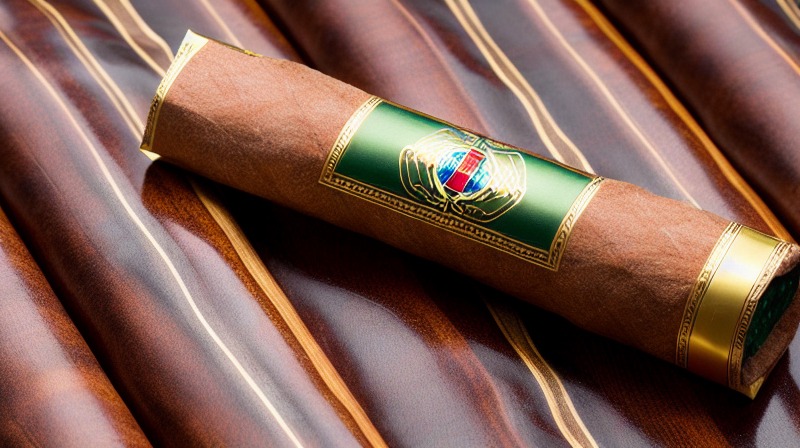
In the wine world, certain regions achieve a status that transcends mere geography — Burgundy, Bordeaux, Champagne. In the cigar world, the Dominican Republic holds a similar position. It is the largest cigar-producing country in the world by volume, and its best cigars achieve a level of elegance and refinement that has earned the admiration of aficionados across generations.
As a former sommelier, I approach cigars the way I approach wine: through the lens of terroir. And the Dominican Republic offers some of the most fascinating terroir in the tobacco world.
The Land and Its Tobacco
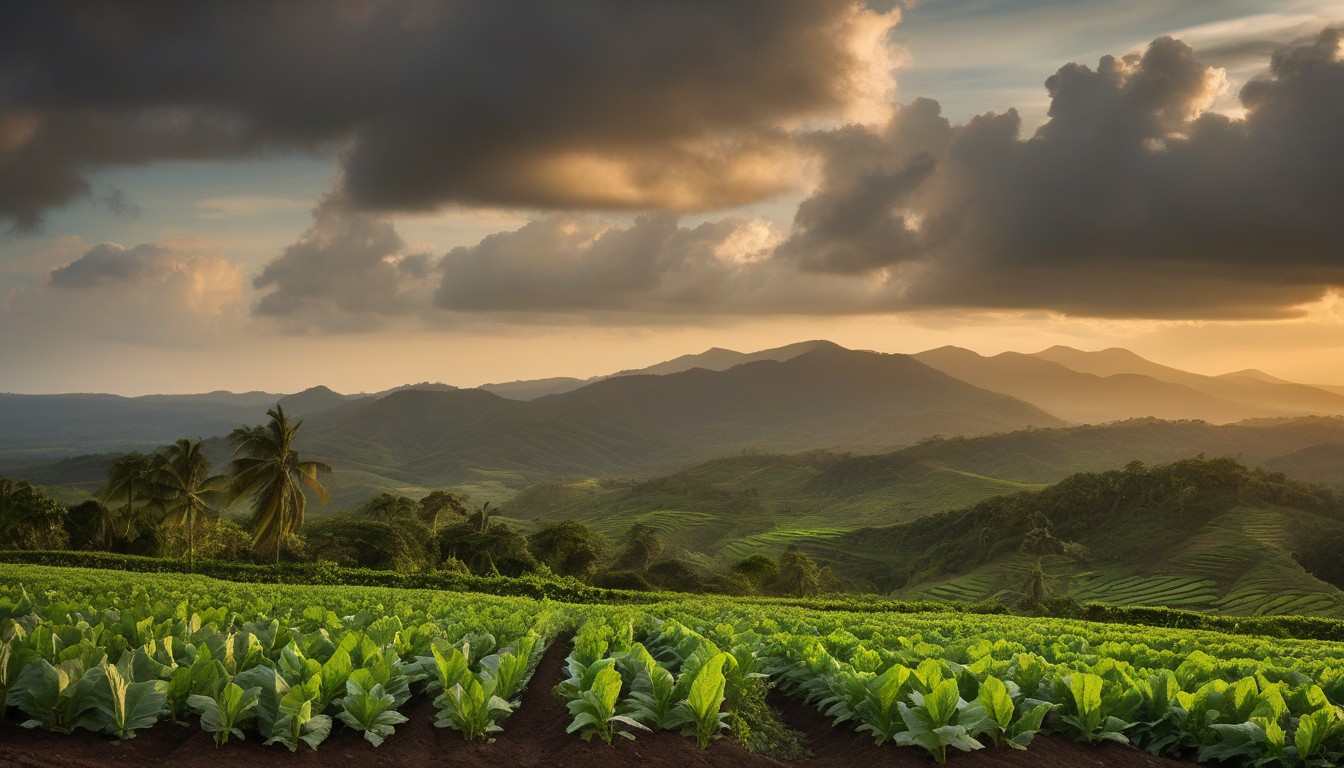
The Dominican Republic occupies the eastern two-thirds of the island of Hispaniola, sharing it with Haiti. The island's geography creates a remarkable diversity of microclimates and soil types, which is precisely what makes it such an exceptional tobacco-growing region.
The Cibao Valley, stretching across the northern interior, is the heartland of Dominican tobacco cultivation. The Santiago de los Caballeros area — often simply called Santiago — is home to most of the country's major cigar factories and tobacco processing facilities. The valley's rich, loamy soil and consistent temperatures produce tobacco with a smooth, refined character.
The Real (Royal) region within the Cibao Valley yields the most prized Dominican filler tobacco. Here, the combination of mineral-rich soil, adequate rainfall, and moderate temperatures creates growing conditions that are ideal for the delicate Piloto Cubano and Olor Dominicano varieties — both descended from Cuban seed stock brought to the island by emigre tobacco families.
The Yaque River Valley provides another distinct growing environment, with alluvial soils that produce tobacco with slightly different characteristics — a touch more body and earthiness than the classic Cibao leaf.
A Brief History of Dominican Tobacco
Tobacco has been cultivated on Hispaniola since long before Columbus arrived in 1492. The Taino people of the island smoked tobacco in religious ceremonies, and it was here that Europeans first encountered the plant that would reshape global culture.
But the Dominican cigar industry as we know it is largely a product of the Cuban Revolution. When Castro nationalized Cuba's cigar industry in the early 1960s, several of the great Cuban cigar families relocated to the Dominican Republic, drawn by the island's similar climate, available farmland, and proximity to established trade routes.
The Fuente family, perhaps the most famous name in Dominican cigars, actually began their operations in Tampa, Florida before moving production to the Dominican Republic in the 1980s after a devastating factory fire in Nicaragua. Carlos Fuente Sr. and then Carlos Fuente Jr. built Arturo Fuente into one of the most respected names in the cigar world, eventually developing the groundbreaking Opus X — the first Dominican puro to use wrapper leaf grown on Dominican soil.
The Opus X, released in 1995, shattered the perception that Dominican cigars could only be mild and refined. It proved that Dominican terroir could produce cigars of extraordinary power and complexity, launching a new chapter in the country's tobacco history.
The Dominican Flavor Profile
Dominican cigars have a signature character that, like the terroir of a great wine region, is instantly recognizable to experienced palates.
The classic Dominican profile centers on elegance and balance. Expect notes of cedar and aromatic wood, toasted nuts (particularly almonds and cashews), cream and butter, gentle spice (white pepper, cinnamon), dried fruit, and a clean, sweet finish. The overall impression is one of refinement — flavors that unfold gradually rather than announcing themselves boldly. If Nicaraguan cigars are Napa Cabernet, Dominican cigars are Bordeaux: structured, balanced, and built for nuance.
That said, modern Dominican cigar-making has expanded this profile considerably. The use of Nicaraguan and Honduran fillers alongside Dominican binder and wrapper has created blends with more body and spice while retaining that Dominican elegance at the core.
Essential Dominican Brands and Cigars
Arturo Fuente
No discussion of Dominican cigars is complete without Arturo Fuente. The family's commitment to quality is legendary — Carlos Fuente Jr. is known for destroying entire crops that don't meet his standards. Key cigars include the Opus X, which is a powerful Dominican puro with remarkable complexity that remains one of the most sought-after cigars in the world. The Hemingway Short Story features a perfecto vitola with a Cameroon wrapper that delivers sweet, spicy, and nuanced flavors in a short format. The 8-5-8 series is an everyday classic that showcases the Fuente family's ability to create balanced, approachable cigars at accessible prices.
Davidoff
Originally associated with Cuban production, Davidoff moved its operations to the Dominican Republic in 1990 and has since become synonymous with luxury Dominican cigars. The Grand Cru series exemplifies Dominican elegance — refined, mild-to-medium bodied, with notes of white pepper, toasted almonds, and cream. The Winston Churchill line offers more body while retaining that Davidoff sophistication.
La Flor Dominicana
Lito Gomez's La Flor Dominicana has carved out a unique niche: Dominican cigars with the body and intensity typically associated with Nicaraguan tobacco. The Double Ligero and Andalusian Bull demonstrate that Dominican tobacco can deliver power without sacrificing the region's characteristic refinement.
Ashton
The Ashton brand, made by Arturo Fuente under a different label, produces some of the most elegant Dominican cigars available. The Ashton Classic is a perfect introduction to Dominican style, while the VSG (Virgin Sun Grown) series offers a darker, more full-bodied experience with its sun-grown Ecuadorian wrapper over Dominican filler.
Dominican Wrappers: The Evolving Story
Historically, the Dominican Republic's greatest challenge was wrapper leaf production. The humid climate and insect pressure made growing the delicate, thin-gauge leaves needed for wrapper difficult. For decades, most Dominican cigars relied on Ecuadorian Connecticut, Cameroon, or even Indonesian wrappers.
The Fuente family changed this narrative. Their Chateau de la Fuente farm in the Bonao region, at higher elevation with drier conditions, eventually succeeded in growing Dominican wrapper leaf of extraordinary quality. This wrapper — used in the Opus X and Don Carlos lines — has a slightly oily, reddish character with flavors of spice, cedar, and dark fruit.
Other producers have followed, and Dominican-grown wrapper is increasingly common, though it remains challenging to cultivate and commands premium prices.
The Cigar-Making Tradition
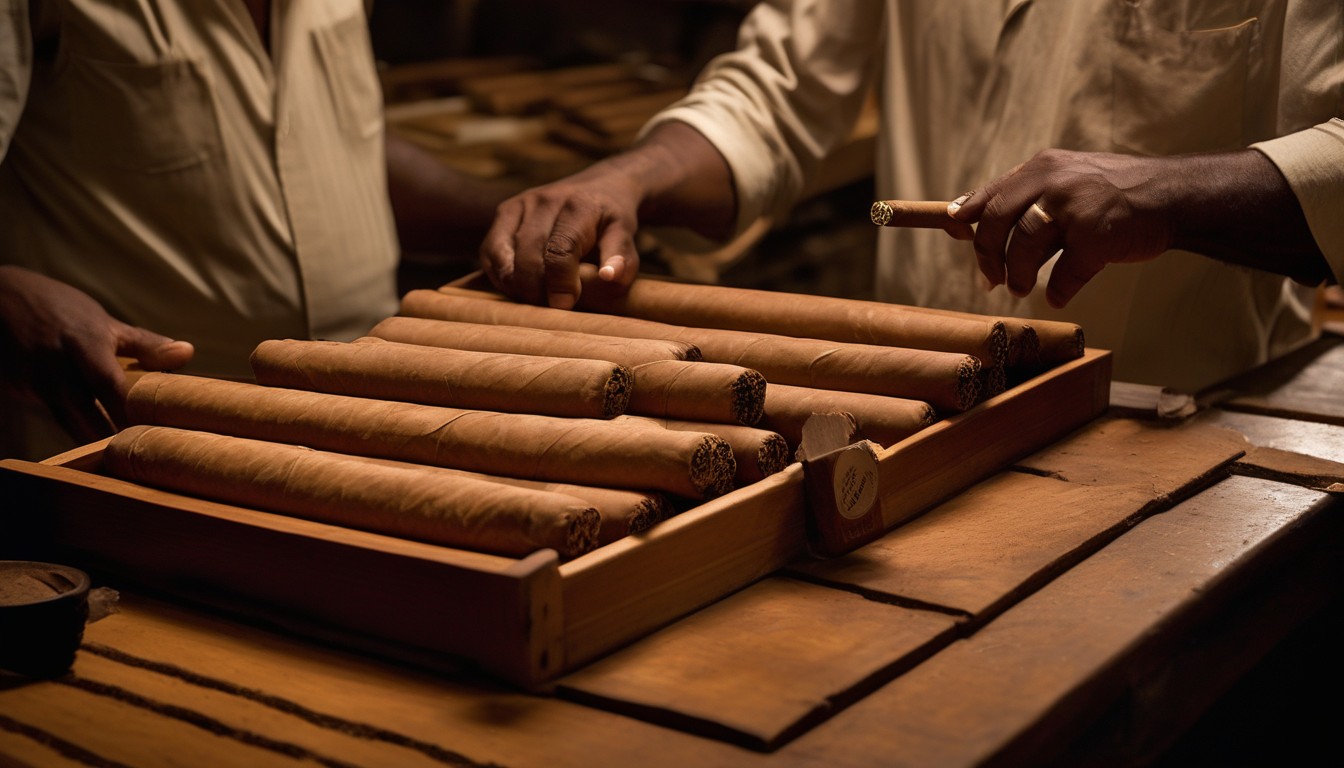
The Dominican Republic is home to some of the world's largest and most modern cigar factories, but the hand-rolling tradition remains paramount. Factories in Santiago's Zona Franca (free trade zone) employ thousands of torcedores who roll cigars using techniques passed down through generations.
The Dominican approach to cigar-making tends to emphasize consistency and refinement. Quality control is rigorous, with multiple inspection points from leaf sorting through final boxing. The result is that Dominican cigars generally offer excellent construction and burn characteristics — a reliability that has earned the trust of retailers and consumers alike.
Dominican Cigars for Every Palate
Whether you're new to cigars or a seasoned aficionado, the Dominican Republic has something for you.
For beginners: Start with a Macanudo Cafe, Arturo Fuente 8-5-8 Natural, or Ashton Classic. These mild-to-medium cigars showcase the Dominican style at its most approachable — smooth, creamy, and never harsh.
For intermediate smokers: Move to the Arturo Fuente Don Carlos, Ashton VSG, or La Flor Dominicana Double Ligero. These step up in body and complexity while retaining that Dominican elegance.
For experienced aficionados: The Arturo Fuente Opus X, Davidoff Oro Blanco, and La Flor Dominicana Andalusian Bull offer the pinnacle of Dominican cigar-making — complex, powerful, and truly memorable.
To understand how Dominican cigars compare to other origins, read the Cuban vs. non-Cuban guide for broader context. And the best cigar brands ranked for 2026 places several Dominican manufacturers among the world's finest.
The Dominican Future
The Dominican Republic's cigar industry continues to evolve. Younger generations of cigar-makers are experimenting with new fermentation techniques, unusual wrapper varieties, and blends that push the boundaries of what Dominican tobacco can achieve. The country's commitment to quality infrastructure, agricultural research, and training ensures that its position as the world's premier cigar-producing nation remains secure.
For lovers of elegance, balance, and craftsmanship, Dominican cigars are not just relevant — they are essential. They represent a tradition that stretches back five centuries, refined by families who have dedicated their lives to the pursuit of the perfect smoke.