Even the best cigars from the best brands can give you trouble sometimes. It's just the nature of a handmade product — there's always a variable that can go sideways. My abuelo used to say "no hay puro perfecto" — there is no perfect cigar. But there's almost always a fix.
I've been smoking cigars for over fifteen years, and I've encountered every problem on this list multiple times. Most of them are fixable if you catch them early. The key is understanding what's happening and why, so you can respond calmly instead of tossing a $15 cigar in frustration.
Uneven Burn (Canoeing)
This is the single most common cigar problem. One side of the cigar burns faster than the other, creating a canoe-shaped burn line. It looks bad, wastes tobacco, and if left unchecked, ruins the smoking experience.
Why It Happens
- Uneven lighting — The most common cause. If the entire foot wasn't evenly lit, one side gets a head start.
- Wind — Outdoor smoking with even a slight breeze can push the burn to one side.
- Uneven filler distribution — Sometimes the roller bunched the filler unevenly. More tobacco on one side means more fuel for the burn.
- Smoking too fast — Aggressive puffing overheats part of the cigar unevenly.
The Fix
- Touch up with your lighter. Hold the flame to the side that's lagging behind. Gently toast it to catch up with the faster-burning side. Don't char it — just nudge it along.
- Rotate your cigar. If you're holding it the same way every time, the bottom tends to burn hotter. Rotate it 90 degrees between puffs.
- Slow down. If you're puffing every 20 seconds, you're overheating the cigar. Let it rest and the burn line will often self-correct.
- If it's really bad: Let the cigar go out, cut off the uneven section with your cutter, and relight. Fresh start.
Tunneling
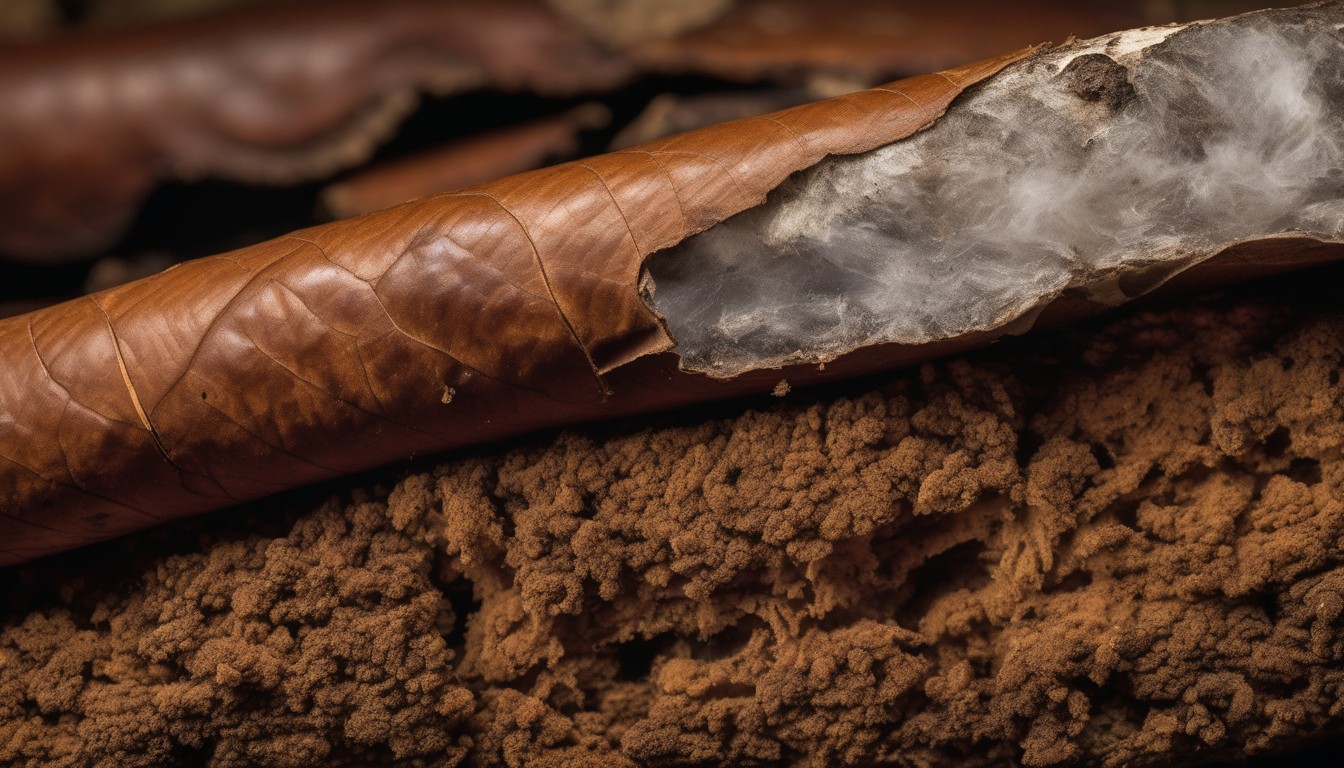
Tunneling is the opposite of canoeing — the inside of the cigar burns faster than the wrapper. You end up with a hollow tube where the filler has burned away but the outer wrapper remains. You'll notice it because the draw gets airy and the flavor thins out.
Why It Happens
- Wrapper is too moist — If the cigar was stored at too high a humidity, the wrapper holds more moisture than the filler and burns slower.
- Smoking too slowly — Yes, you can actually smoke too slow. If you only puff every 3-4 minutes, the cherry loses heat on the outside but smolders internally.
- Wind — Air currents cool the wrapper while the insulated filler continues to burn.
The Fix
- Increase your puff rate slightly. Every 45-60 seconds. This heats the wrapper enough to keep it burning with the filler.
- Use your lighter to burn down the wrapper. Toast the extended wrapper edges until they catch up to the filler level.
- Check your humidity. If tunneling happens frequently, your storage might be too humid. Drop to 65% and see if the problem resolves.
Tight Draw
You take a puff and it feels like sucking a milkshake through a coffee straw. Frustrating, tiring, and it means you're not getting enough smoke to taste anything properly.
Why It Happens
- Over-packed filler — The roller bunched too much tobacco in there. It happens.
- Plugged section — A knot of tobacco somewhere along the cigar's length is blocking airflow.
- Swelling from humidity — Cigars stored above 72% can swell, compressing the filler.
The Fix
- Gently massage the cigar. Roll it between your fingers with light pressure along its entire length. Sometimes this loosens a compressed section enough to open the draw.
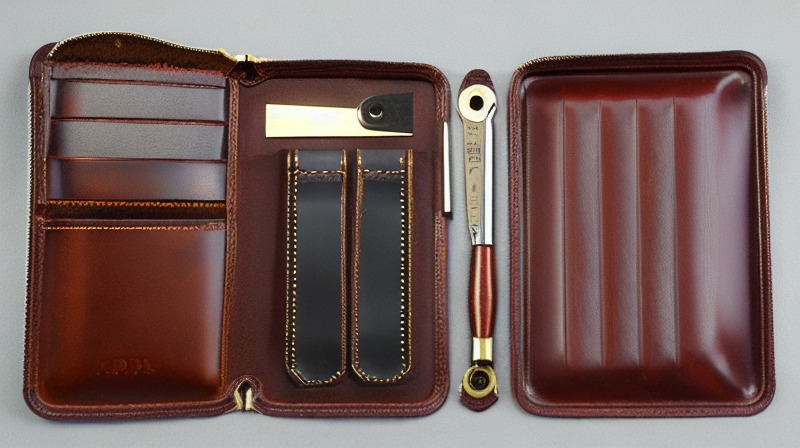
- Use a draw tool (cigar poker/nub poker). A thin metal or wooden poker inserted through the head of the cigar can create a small channel through a plugged section. This is a must-have accessory. If you don't have one, a wooden skewer works in a pinch.
- Cut more off the cap. If your initial cut was conservative, try cutting a bit deeper. A wider opening can help with a slightly tight draw.
- The nuclear option: If nothing works, the cigar is plugged beyond repair. Set it aside and grab another. It happens to everyone — even with premium brands.
Wrapper Cracking
You pull a cigar from your humidor and notice a crack running along the wrapper. Or worse, it cracks while you're smoking. This can range from cosmetic to cigar-ruining.
Why It Happens
- Dry storage — The number one cause. Below 60% humidity, wrapper leaves lose flexibility and crack.
- Rapid temperature changes — Moving a cigar from a cool humidor to hot outdoor air can cause thermal shock.
- Rough handling — Squeezing too hard, dropping, or aggressive cutting.
The Fix
For cracks before lighting:
- Small cracks: Apply a tiny amount of food-grade vegetable pectin (or even a dot of honey) to seal the crack. Seriously, this works. My abuelo kept a small jar of pectin in the shop specifically for this.
- Larger cracks: Carefully wrap a small piece of the cigar's own tobacco (peel a thin layer from near the foot) over the crack. It'll hold during smoking.
- If it's near the head: Re-cut above the crack if possible.
Prevention:
- Keep humidity at 65-69%
- Let refrigerated or cold cigars acclimate to room temperature before handling
- Handle cigars gently — support the whole body, don't pinch
The Cigar Won't Stay Lit
You light it, enjoy a few minutes, set it down for a moment, and it's dead. Relight. Smoke. Dead again. This is more common than people admit.
Why It Happens
- Too humid — A cigar with too much moisture just won't sustain combustion.
- Smoking too slowly — Going more than 2-3 minutes between puffs in cool or breezy conditions.
- Poor construction — Filler that's too tightly packed can choke the cherry.
The Fix
- Relight it. There's zero shame in relighting. Blow gently through the cigar first (from the head, pushing old smoke out through the foot) to clear stale smoke, then toast and relight as normal.
- If it keeps going out, your cigar is probably over-humidified. Dry box it next time — leave it out of the humidor for 12-24 hours before smoking.
- Increase your cadence. A puff every 60 seconds keeps the cherry alive without overheating.
Bitter or Harsh Taste
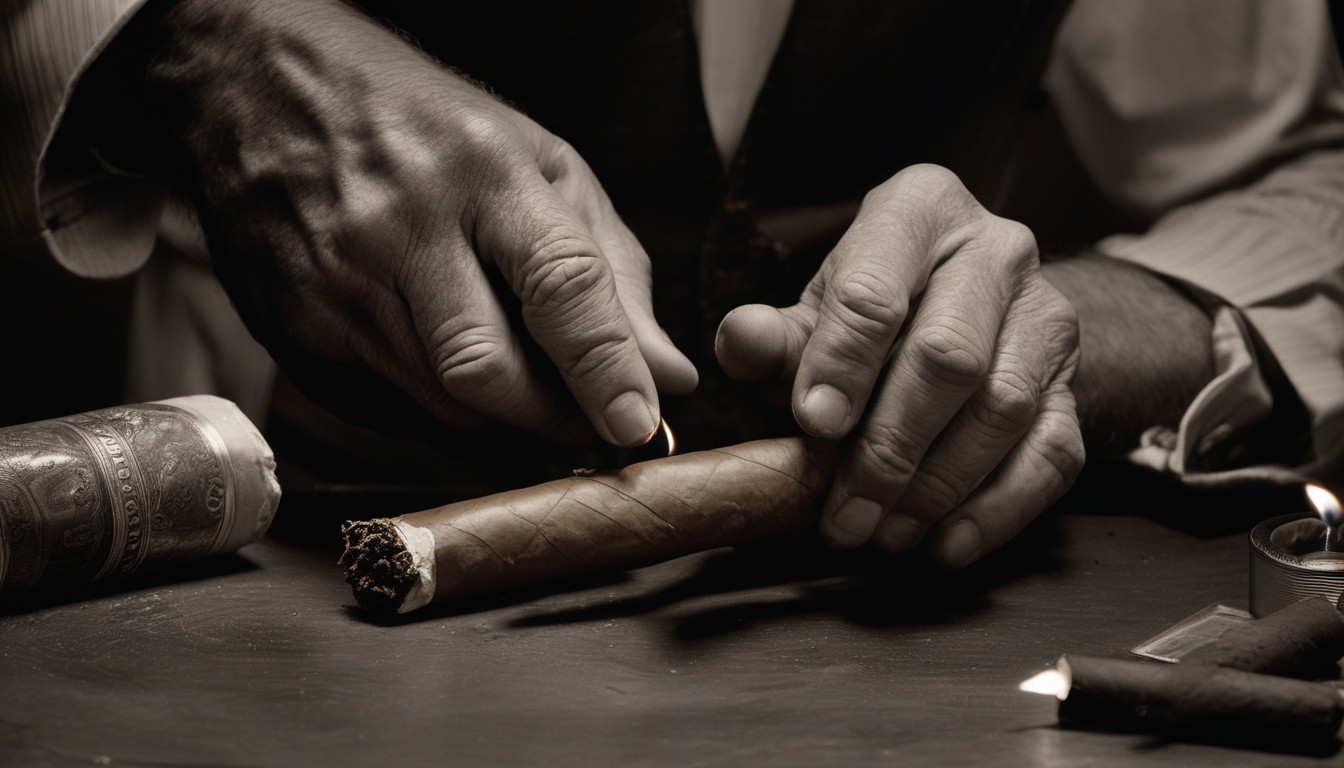
The cigar started fine but now it tastes like licking an ashtray. Or it was harsh from the first puff. Neither is enjoyable.
Why It Happens
- Smoking too fast — The number one cause of bitterness. Overheating breaks down tobacco compounds and produces acrid flavors.
- Tar buildup — In the final third, concentrated tar near the head creates bitter flavors.
- Under-fermented tobacco — Sometimes the tobacco wasn't fermented long enough. More common with budget cigars.
- Over-humidified — Excess moisture creates a steamy, bitter smoke.
The Fix
- Slow down immediately. Set the cigar down for 2-3 minutes. Let it cool. Often this is all it takes.
- Purge the cigar. Blow gently through the cigar (reversed airflow) to push out accumulated tar and stale smoke. Then take a normal draw. The difference can be dramatic.
- Cut and relight. If bitterness persists, let the cigar go out, cut off half an inch, and relight the fresh surface.
- If it's a final-third issue, that's normal — most cigars get stronger and more concentrated in the last inch or two. Just stop smoking when it stops being enjoyable.
Wrapper Unraveling
The wrapper starts peeling away from the body, either at the head or somewhere along the shaft. This usually starts small and gets progressively worse.
Why It Happens
- Cut too deep — Cutting below the cap line removes the glue point that holds the wrapper in place.
- Dry storage — Dry wrappers lose adhesion.
- Cheap construction — Insufficient cap glue or a poorly applied wrapper.
The Fix
- For head unraveling: Lick your fingertip and press the wrapper back against the body. The moisture and saliva act as a temporary adhesive. It's not elegant, but it works.
- Use pectin or cigar glue. A small dab on the loose section, press it flat, and hold for 10 seconds.
- Prevention: Always cut conservatively — just the tip of the cap. You can always cut more. You can never cut less. For more on this, check our guide on how to cut, light, and smoke a cigar.
Ammonia Smell
You open your humidor or light a cigar and get hit with an ammonia or barnyard smell. Not pleasant.
Why It Happens
- Young, under-aged tobacco — Freshly rolled cigars still off-gassing from the fermentation process. This is actually normal for brand-new cigars.
- High humidity — Excess moisture can reactivate fermentation gases.
The Fix
- Let them rest. If it's a new purchase, give them 2-4 weeks in your humidor before smoking. The ammonia will dissipate.
- Lower your humidity to 65-67% if it's above 70%.
- Open your humidor and let it air out for 10-15 minutes every few days.
Tobacco Beetles
This is the horror story of cigar storage. You notice tiny pinprick holes in your cigars and maybe some fine tobacco dust on the shelf. Congratulations, you've got beetles.
Why It Happens
Tobacco beetle larvae are present in virtually all tobacco. They remain dormant at temperatures below 72°F. Above that, they hatch, eat through your cigars, and multiply. It's nature doing its thing, and it's devastating to a collection.
The Fix
- Isolate affected cigars immediately. Remove them from the humidor.
- Freeze everything. Place all cigars (affected and unaffected) in ziplock bags and freeze for 72 hours. Then move to the fridge for 24 hours. Then back to the humidor. The gradual temperature change prevents wrapper cracking.
- Deep clean the humidor. Vacuum any debris. Wipe down with a cloth dampened with distilled water.
- Prevention: Keep your humidor below 70°F. This is the single most important prevention measure. If you live somewhere hot, consider a wine cooler or cooler conversion with temperature control.
Quick Troubleshooting Reference
| Problem | Most Likely Cause | Quick Fix |
|---|---|---|
| Canoeing | Uneven light/wind | Touch up with lighter, rotate |
| Tunneling | Too humid/too slow | Puff more, toast wrapper edges |
| Tight draw | Overpacked/plugged | Massage, use draw tool |
| Cracked wrapper | Too dry | Pectin seal, rehumidify |
| Won't stay lit | Too humid | Dry box, increase puff rate |
| Bitter taste | Smoking too fast | Slow down, purge |
| Wrapper unraveling | Cut too deep | Lick and press, cigar glue |
| Ammonia smell | Young cigars | Rest 2-4 weeks |
| Beetle holes | Temp above 72°F | Freeze, deep clean, cool storage |
Don't let problems discourage you. Even experienced smokers deal with these issues — we just know how to handle them without panicking. And if you want to make sure your storage is dialed in to prevent most of these issues in the first place, revisit our humidor basics guide. Proper storage solves half the problems on this list before they even start.