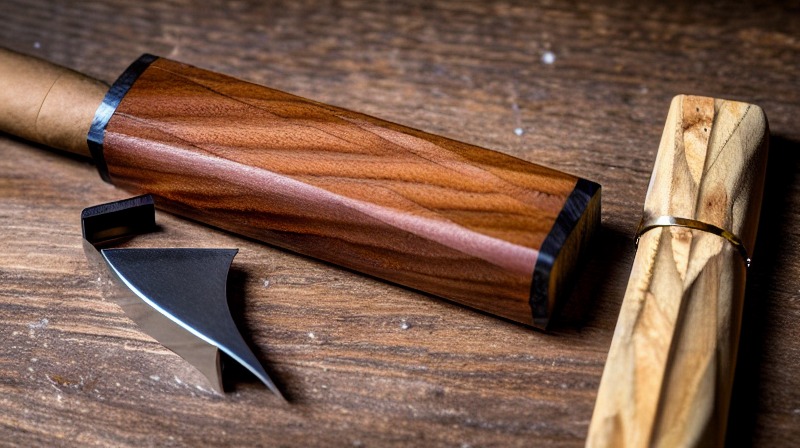
There's no quicker way to out yourself as a rookie than butchering the cut, torching the foot like a blowtorch-wielding maniac, or puffing like a steam engine. I'm not saying these things to gatekeep — I'm saying them because I've done all three and I want to save you the embarrassment.
Cutting, lighting, and smoking a cigar properly isn't hard. It just takes a little know-how and some practice. Once you get the basics down, it becomes second nature, like tying your shoes. Let me walk you through it.
Part 1: Cutting Your Cigar
Most premium cigars come with a closed cap — a small rounded piece of tobacco on the head (the end you put in your mouth). You need to cut this cap off to create an opening for the draw. How you cut it matters more than you'd think.
The Straight Cut (Guillotine)
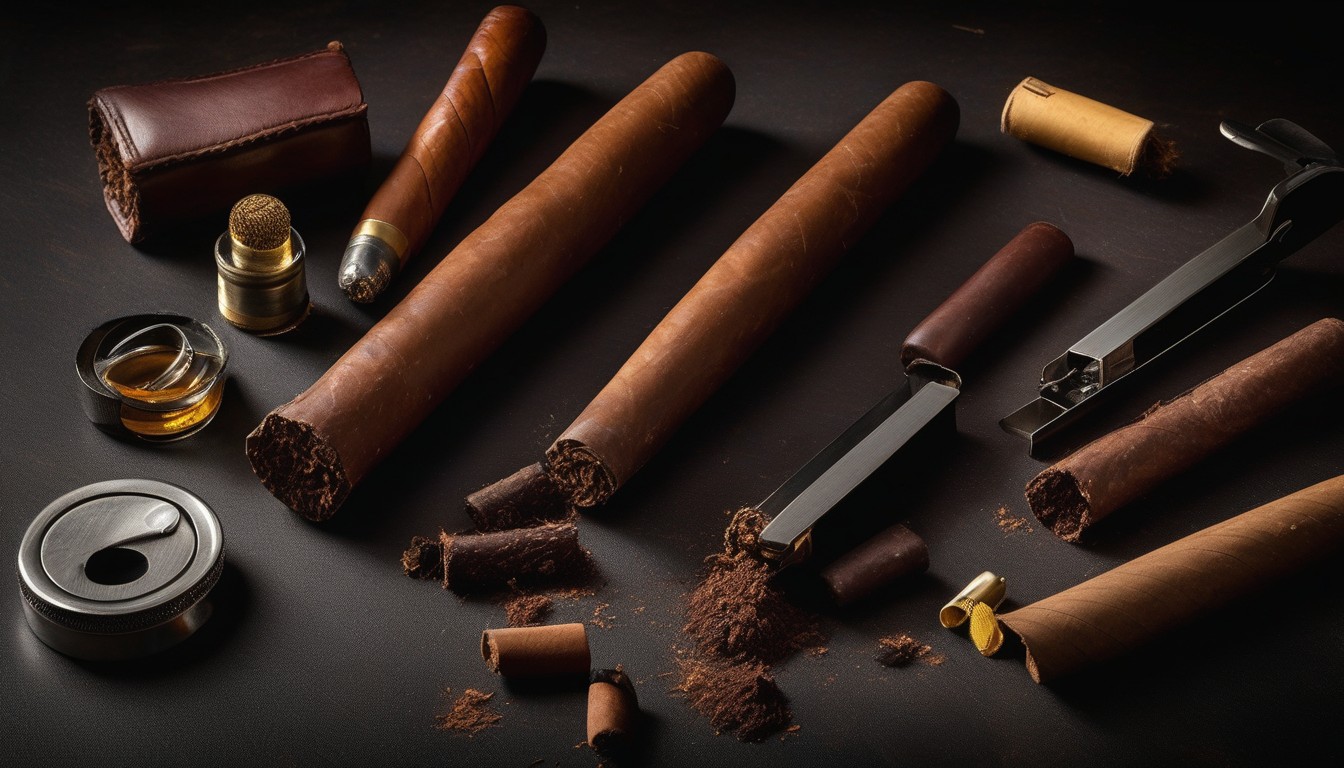
This is the most common and most foolproof method. A double-bladed guillotine cutter is what I'd recommend for anyone starting out.
How to do it:
- Hold the cigar in one hand, cap facing up
- Place the cutter over the cap — you want to cut just the cap, not deep into the body of the cigar
- The rule of thumb: cut about 1/16 to 1/8 inch from the top. You should still see the cap line (the seam where the cap meets the wrapper)
- In one swift, confident motion, close the blades. Don't hesitate — a slow cut tears the wrapper
- Test the draw with a gentle puff (before lighting). It should feel like sipping through a straw, with slight resistance
The V-Cut (Wedge Cut)
A V-cutter creates a wedge-shaped notch in the cap. It's become really popular in the last few years because it gives you a great draw without risking the wrapper unraveling.
How to do it:
- Place the cigar into the V-cutter's opening
- Make sure the cigar is centered
- Press down firmly in one motion
- You'll get a clean, cat-eye shaped opening
I actually prefer the V-cut for thicker ring gauge cigars (54+). It concentrates the smoke and gives you more intense flavor.
The Punch Cut
A punch cutter is a small circular blade that creates a round hole in the cap. It's compact, fits on a keychain, and is nearly impossible to screw up.
How to do it:
- Place the punch against the center of the cap
- Press in with a slight twisting motion
- Pull out — the small disc of tobacco comes with it
- Blow through the cigar to clear any loose debris
Pros: Super clean, no wrapper unraveling, pocket-friendly. Cons: Doesn't work on torpedoes or figurados, and the smaller opening can concentrate tar over a long smoke.
What NOT to Do
- Don't bite the cap off. I don't care what you saw in a movie. You'll shred the wrapper and end up with tobacco in your teeth.
- Don't cut too deep. If you cut below the cap line, the wrapper will unravel and your cigar is basically ruined.
- Don't use scissors, a knife, or your thumbnail. Get a proper cutter. They're like $10.
Part 2: Lighting Your Cigar
This is where most people go wrong. Lighting a cigar is nothing like lighting a cigarette. You can't just hold a flame to it and start puffing. It's a two-step process.
What to Use
- Butane torch lighter — The gold standard. Clean-burning, odorless, windproof. A single or double flame torch is ideal.
- Wooden matches — Long cedar matches work great and add a nice traditional touch. Let the sulfur burn off first.
- Cedar spills — Thin strips of cedar (usually from your cigar box). Light the spill, then use it to light the cigar. Old school and cool.
Avoid: Zippo lighters (the fluid affects taste), candles (wax residue), and regular paper matches (too small, add off flavors).
Step 1: Toast the Foot
The foot is the open end of the cigar — the end you light. Before you start puffing, you want to toast it.
- Hold the cigar at a 45-degree angle
- Hold the flame about half an inch below the foot — don't let the flame touch the tobacco directly
- Slowly rotate the cigar, letting the heat toast the foot evenly
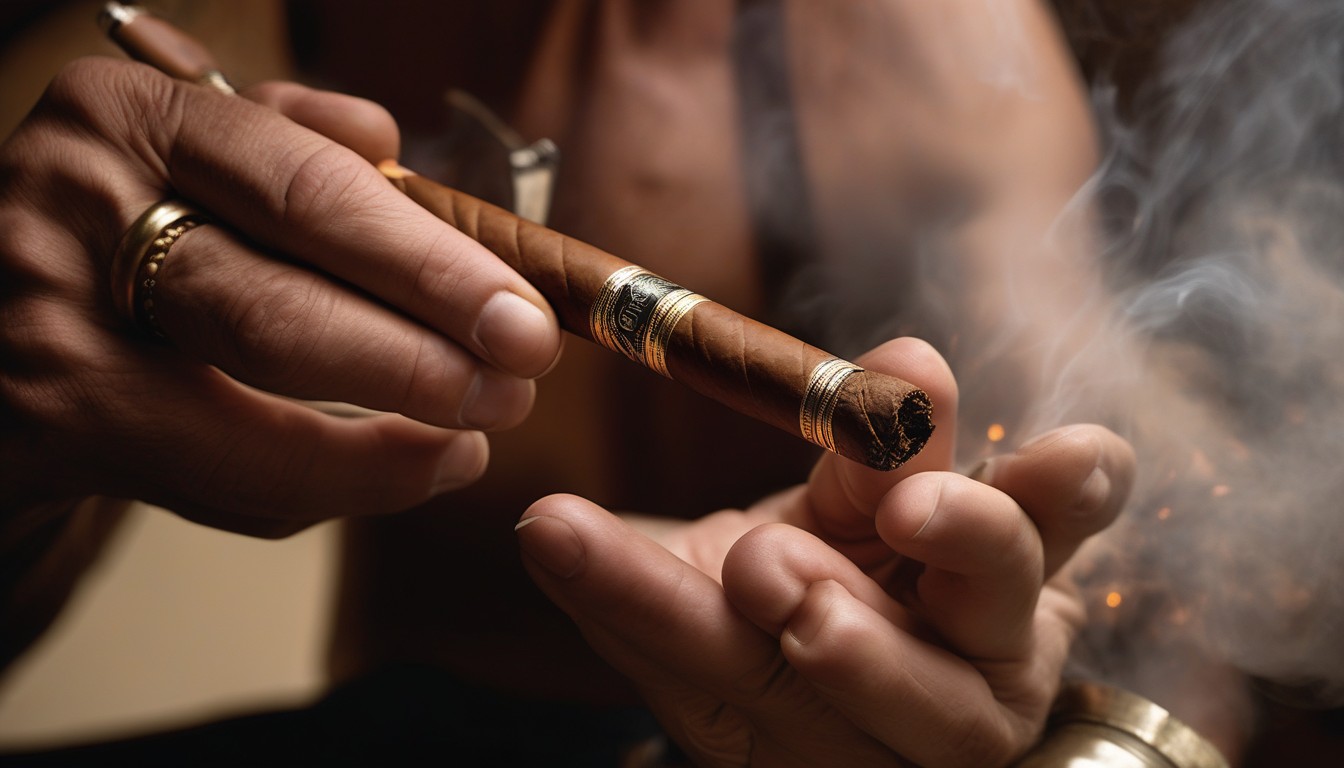
- You'll see the edges of the tobacco start to glow and darken. The entire foot should be evenly blackened
Step 2: Light and Draw
- Now bring the cigar to your mouth
- Hold the flame just below the foot (still not touching)
- Take slow, gentle puffs while rotating the cigar
- After 3-4 puffs, pull the cigar away and check the foot
- It should be glowing evenly across the entire surface. If one side is darker than the other, touch up the light side
The whole process should take about 30-60 seconds. If you rush it, you'll get an uneven burn that'll plague you for the rest of the smoke. Take your time here — it pays off.
Common Lighting Mistakes
- Charring the cigar — Holding the flame directly on the foot chars the tobacco and creates bitter flavors in the first few draws
- Not rotating — An uneven light leads to an uneven burn (canoeing)
- Puffing too hard — Aggressive puffing during lighting overheats the cigar, making the first inch taste harsh
Part 3: Smoking Your Cigar
Alright, you've got a clean cut and an even light. Now comes the good part.
The Golden Rule: Don't Inhale
This is the biggest difference between cigars and cigarettes. You draw the smoke into your mouth, hold it for a moment to taste it, and then let it go. You're tasting, not inhaling into your lungs. Think of it like swishing wine — you want the smoke to coat your palate so you can pick up the flavors.
If you accidentally inhale (it happens), don't panic. Just cough it out and carry on. But make a conscious effort to keep the smoke in your mouth.
Pacing
The number one mistake new cigar smokers make is puffing too often. Here's the deal:
- Puff every 30-60 seconds. That's it. One puff per minute is a good rhythm.
- If the cigar starts tasting hot or harsh, you're smoking too fast. Set it down for a minute or two and let it cool.
- If the cigar goes out, that's totally fine. It happens to everyone. Just re-light it using the same toasting method. A cigar that goes out within the first 30 minutes can be easily re-lit with no flavor impact.
Retrohaling
Once you're comfortable with basic smoking, try retrohaling — it's how you unlock the full flavor spectrum. After drawing smoke into your mouth, push it out through your nose (without inhaling into your lungs). This engages your olfactory system and lets you taste flavors you'd completely miss otherwise.
Start with just a small amount of smoke through the nose. It'll tingle at first, but you'll get used to it. Retrohaling is how reviewers pick up all those specific flavor notes like "leather" and "dark chocolate" — it's not BS, your nose just catches things your tongue can't.
For a deeper dive into tasting, check out our guide on how to taste cigars like a pro.
The Ash
- Don't constantly flick your ash. A long ash actually insulates the cherry and keeps the cigar burning cooler. Let it build up to about an inch before gently tapping it off in an ashtray.
- Don't be the person who tries to see how long they can hold the ash. It's a cigar, not a party trick. Let it fall naturally when it's ready.
How Long to Smoke
Smoke as much as you enjoy. Most people smoke a cigar down to the last inch or two, where it starts getting hot and bitter. There's no rule that says you have to smoke it to the nub. When it stops tasting good, put it down. Don't stub it out like a cigarette — just set it in the ashtray and let it go out on its own. That's the proper way.
Essential Gear for Getting Started
You don't need much, but these three things make a real difference:
- A decent cutter — Xikar Xi2 or a Palio are great options under $30. Both have lifetime warranties.
- A butane torch lighter — Xikar, Vertigo, or Jetline all make solid options. Don't overspend — $15-25 gets you something reliable.
- An ashtray — Get a proper cigar ashtray with wide grooves. A regular cigarette ashtray won't hold a cigar properly.
For a full breakdown of must-have gear, check out our cigar accessories guide.
Quick Reference Cheat Sheet
| Step | Key Points |
|---|---|
| Cut | Just the cap, one swift motion, test the draw |
| Toast | 45-degree angle, flame below foot, rotate evenly |
| Light | Gentle puffs while rotating, check for even glow |
| Smoke | Don't inhale, puff every 30-60 sec, relax |
| Ash | Let it build ~1 inch, tap gently |
| Finish | Stop when it's not enjoyable, let it die in the ashtray |
That's really all there is to it. The mechanics are simple — the enjoyment comes from slowing down and paying attention. Every cigar is a little different, and as you smoke more, you'll naturally develop preferences for cuts, lighting techniques, and smoking rhythms that work for you.
Now go grab a good beginner cigar and put this knowledge to work.