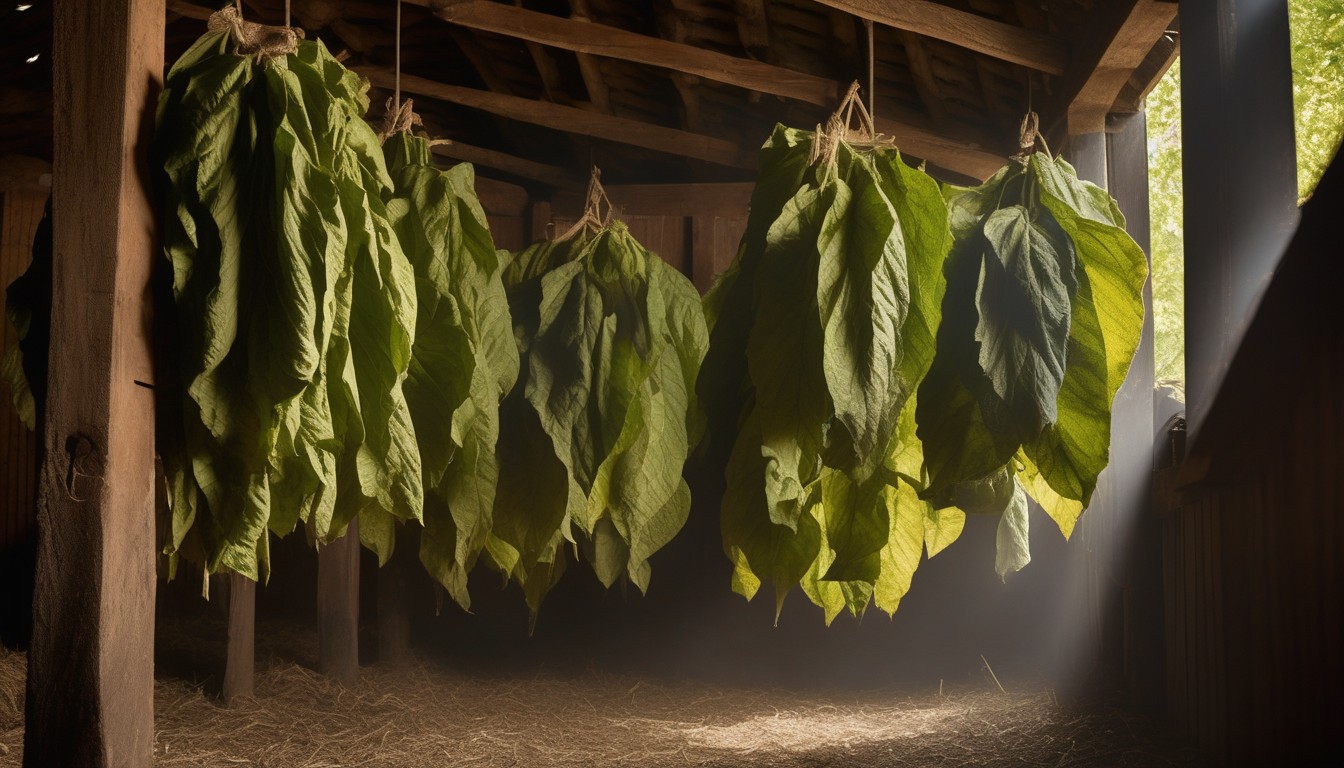
Curing, fermentation and aging are different stages in preparing cigar tobacco. Makers also rest finished cigars after rolling. A stated age can refer to leaf or finished cigars, so check what the producer means before comparing products or deciding to age a purchase at home.
The Stages at a Glance
| Stage | What is being handled |
|---|---|
| Harvesting | Leaves are collected for processing; names and methods depend on the producer. |
| Curing | Harvested leaf dries in a curing barn. |
| Fermentation | Leaf is processed under managed conditions that change its aroma and flavor. |
| Leaf aging | Processed tobacco is held before use in a blend. |
| Rolling and resting | Wrapper, binder and filler become a cigar, which may rest before release. |
| Home storage | A purchased cigar is kept in suitable conditions; improvement is not guaranteed. |
These are distinctions, not a universal factory schedule. A brand's published process is evidence for that brand. It does not establish an industry-wide minimum temperature, number of cycles or age.
Harvesting and Priming Names
Priming commonly means collecting leaves in successive harvests. Leaf position is also part of classifications such as seco, viso and ligero, but the labels are not one worldwide ladder.
Joya de Nicaragua describes seco, viso and ligero from bottom to top. Habanos describes volado, seco, ligero and occasionally medio tiempo as filler categories, with roles in combustion, aroma, strength and intensity. Those explanations should remain tied to their producers.
Neither list tells you that every cigar uses every category. For a fuller comparison, read tobacco primings explained.
Curing Comes Before Later Processing
Curing is the drying stage after harvest. Leaves hanging in a barn are not yet finished cigars, and curing time is not the age of the cigar eventually sold.
Joya states that its harvested leaves hang in curing barns for 45–60 days, becoming brown before transport to the factory. That is a documented example from Joya's process, not a duration to apply to every producer or leaf type.
Fermentation in Pilones
A pilón is a stack of tobacco; pilones is the plural. Joya describes pile weight and added moisture producing heat, with changes in the leaf's chemical components that alter flavor and aroma.
Temperature, moisture and handling belong to the maker's process. A single quoted temperature range or cycle count cannot explain every wrapper, binder and filler. The fact that a leaf was fermented also does not diagnose a sharp-tasting cigar as underfermented.
Fermentation Is Not a Cooking Recipe
Comparisons to compost, wine or seared food can obscure the actual process. This guide does not assign cigar flavors to caramelization, a specific Maillard reaction or one microbial mechanism without evidence for that tobacco and process.
Maduro is also not a recipe with a fixed duration. Habanos describes maduro as a dark wrapper classification. For its Cohiba Maduro 5 line, it specifically identifies upper-level shade-grown wrapper leaf that receives extra fermentation and at least five years of maturation before rolling. That claim concerns those wrappers, not every maduro cigar.
| Claim on a cigar | What to ask |
|---|---|
| Maduro or oscuro | Which leaf and processing method does the maker specify? Color alone is not a timeline. |
| Multiple fermentations | How many, for which tobacco, and according to whose published process? |
| Barrel-aged | Was the leaf or the finished cigar aged, and in what barrel? |
| Aged five years | Does that describe all tobacco, one component or the finished cigar? |
Leaf Aging and Finished-Cigar Resting
Leaf can age before rolling, while finished cigars can rest afterward. Keeping those stages separate makes a manufacturer's age claim easier to interpret.
Joya says the tobacco in its cigars is at least four years old when a cigar reaches the buyer. It separately describes finished cigars resting in escaparates for 90 days to several years, depending on blend and strength. Those statements do not mean every Joya cigar spends four years aging after rolling.
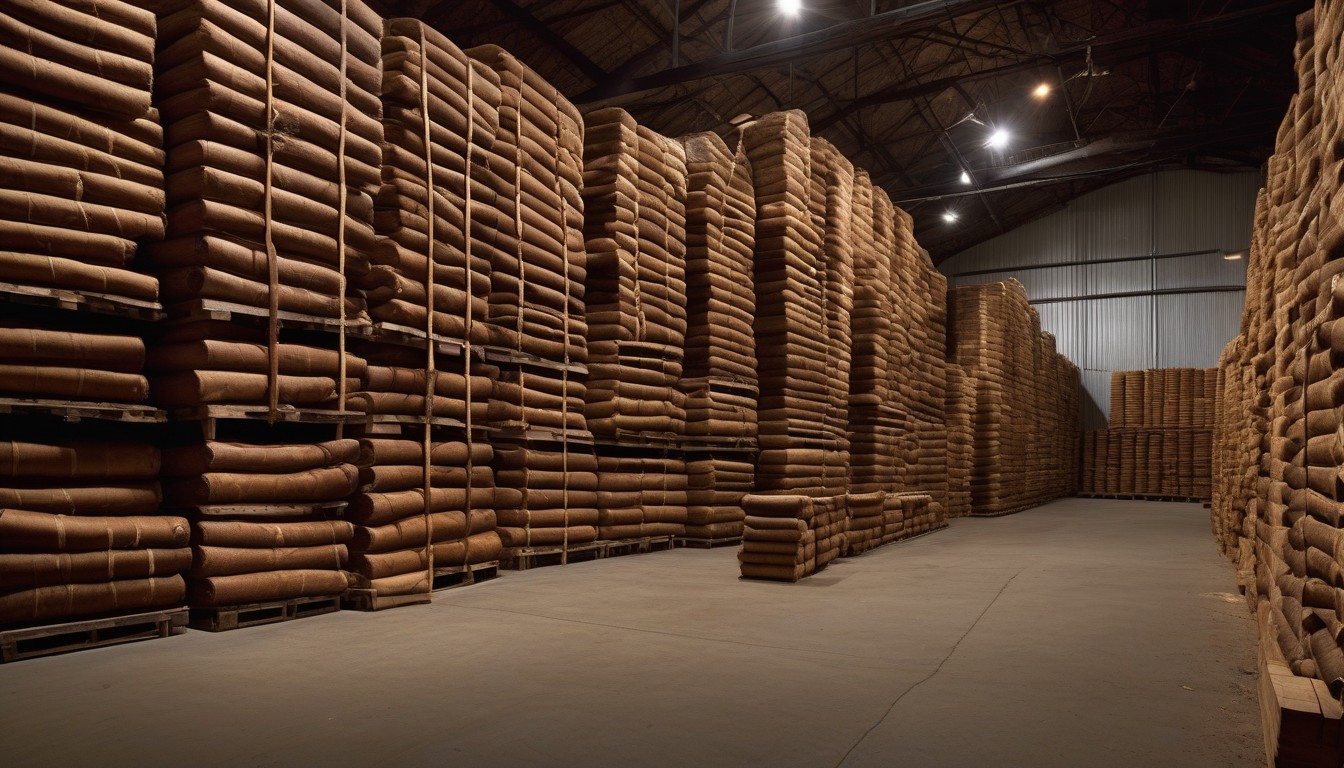
A price tier does not supply a reliable aging clock. A budget cigar is not automatically aged for one year, and an expensive cigar is not automatically aged for eight. Use a named producer's published statement and confirm which tobacco or stage it describes.
Nor is there a documented universal 21-day finished-cigar minimum in the sources used here. Joya's example demonstrates why one factory's schedule should not be presented as a requirement for all cigars.
Storage at Home Is a Separate Decision
A cigar sold ready to smoke does not automatically need six months, a year or five years of extra aging. Home storage first protects its condition; whether a later sample tastes better is a separate judgment.
Boveda's storage guidance recommends steady RH in the 65–72% range, around 70°F, away from direct sunlight. Choose conditions suited to your container and humidification system. Its starter-kit instructions specify 69% packs for temporary airtight plastic storage rather than that kit's 72% wooden-humidor maintenance packs.
A stable hygrometer reading is evidence about your storage environment, not proof that flavor is improving. Our hygrometer calibration guide and humidor guide cover the practical checks.
| Goal | Useful check |
|---|---|
| Preserve cigars | Watch temperature, RH, container seal and visible condition. |
| Compare flavor over time | Keep notes on matched samples from the same purchase. |
| Understand an age claim | Separate leaf age from finished-cigar rest. |
| Investigate suspicious growth | Keep the cigar separate; do not presume white growth is harmless. |
Boveda warns that cigar mold is often white and fuzzy. It advises discarding moldy cigars because brushing visible growth away cannot establish how deeply it has penetrated. Extra aging does not make a moldy cigar suitable to smoke.
Comparing Samples Without Promising a Result
If you choose to compare a cigar now and later, use several samples from the same box or purchase. Record the date, storage readings, draw, burn and flavors you notice. Keep tasting conditions as similar as practical.
A later sample may seem better, worse or unchanged. That comparison is useful for your preference, but it cannot establish a universal aging schedule. Variation between individual cigars and tasting sessions can also affect your notes.
There is no source-backed rule here that purchased cigars become “sick” in months two to four and “wake up” in months six to eight. Avoid buying or holding a box solely on that promised timeline. Ask what the maker has already done, then judge the cigar you actually have.