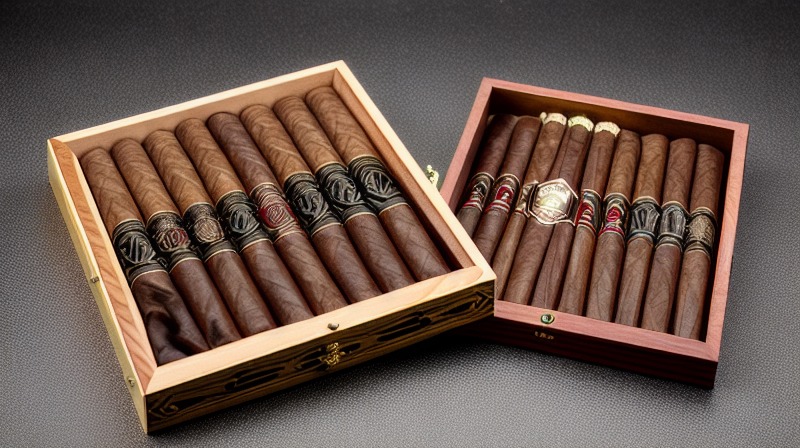
Every industry has its disruptors -- the people who look at the established order and say, "I can do this differently." In the cigar world, that disruptor is Pete Johnson, and his vehicle for revolution is Tatuaje.
I've been fascinated by Tatuaje since I first encountered the brand at a small shop in Chicago over a decade ago. The shop owner pressed a Tatuaje Black Label into my hand and said, "You're a wine guy. You'll understand this cigar." He was right. From the first draw, I recognized something I knew from wine: a product made by someone with a singular vision, uncompromising standards, and zero interest in playing it safe.
Pete Johnson: The Man Behind the Tattoo
Pete Johnson wasn't born into the cigar industry. He discovered cigars in the mid-1990s while working at a cigar shop in Los Angeles, and what started as a retail job became an obsession. Johnson didn't just sell cigars -- he studied them with the intensity of a graduate student. He smoked everything, analyzed everything, and developed opinions that were often at odds with the mainstream.
What Johnson wanted to make was a cigar that tasted like the great Cuban cigars he admired -- not a copy, but a spiritual successor. Full-flavored, complex, uncompromising. The kind of cigar that the old Cuban masters would recognize as kindred.
In 2003, Johnson launched Tatuaje (Spanish for "tattoo") with a simple concept: produce small quantities of exceptional cigars, never compromise on tobacco quality, and let word-of-mouth do the marketing. He partnered with Jose "Pepin" Garcia -- yes, that Pepin Garcia, the master blender behind My Father Cigars -- to produce his cigars at the My Father factory in Esteli, Nicaragua.
The partnership between Johnson's vision and Garcia's execution has produced some of the most celebrated cigars of the 21st century. It's a relationship built on mutual respect and shared perfectionism -- two people who would rather make nothing than make something mediocre.
The Core Lines
Tatuaje (Original/Brown Label)
In our catalog: 5 Cabinet vitolas, $9.00-$12.00 — the brown-label originals — best rated the Cabinet Tainos at $12.00.
The original Tatuaje blend -- sometimes called the Brown Label -- is where most people first encounter the brand. It's a Nicaraguan puro with an Ecuadorian Habano wrapper that delivers a medium-to-full bodied experience with cedar, coffee, pepper, and a distinctive spice that Pete Johnson calls the "Tatuaje signature."
The construction is excellent (it's rolled at the My Father factory, after all), and the flavors are bold without being aggressive. I think of it as an entry point to the Tatuaje philosophy: flavor first, subtlety second, compromise never. The Havana VI is the most popular vitola -- a 6 x 50 toro that gives the blend room to breathe and develop.
Tatuaje Black Label
In our catalog: 6 vitolas, $8.50-$11.00. Best rated is the Tatuaje Black Petite Lancero at $8.50 (4.8).
The Black Label is where Tatuaje really declares its identity. This is a full-bodied Nicaraguan cigar with a dark, oily wrapper that delivers intense flavors of dark chocolate, espresso, leather, black pepper, and an almost meaty richness. It's not a cigar for the timid.
When the shop owner handed me that first Black Label, I remember thinking it was like a great Barolo -- powerful, structured, demanding your attention, but ultimately rewarding your patience with layers of flavor that kept revealing themselves. The Corona Gorda is the format I return to most -- a 5.25 x 46 that provides the perfect balance of ring gauge and length for this blend.
The Black Label isn't for everyone, and Pete Johnson would be the first to say that's fine. It's made for people who want intensity with complexity, and it delivers both in spades.
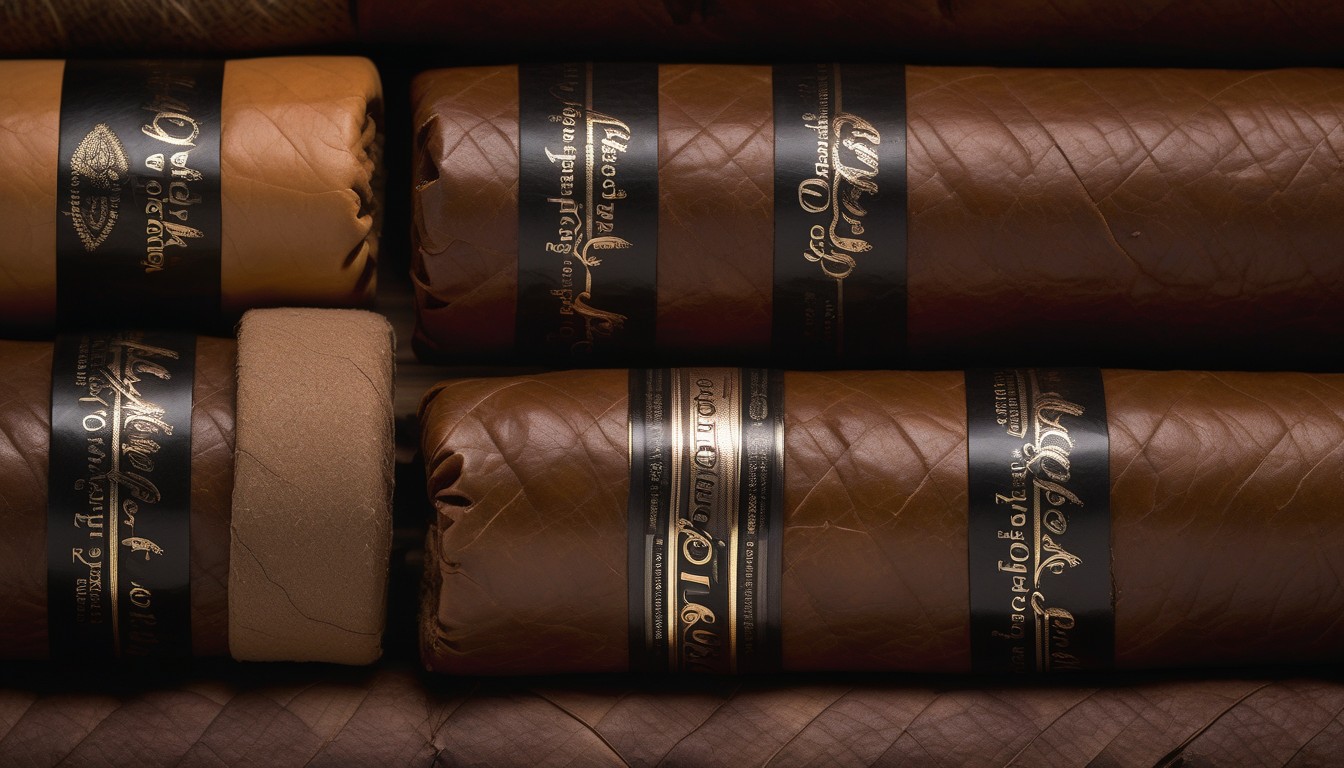
Tatuaje Havana Series
In our catalog: 7 vitolas, $5.20-$12.00. Best rated is the Tatuaje Havana VI Verocu at $5.20 (4.6).
The Havana Series -- including the Havana VI, Havana Cazadores, and other variations -- represents Johnson's attempt to capture the character of classic Cuban cigars using non-Cuban tobacco. The Habano wrapper, Nicaraguan binder, and carefully selected Nicaraguan filler produce a medium-bodied cigar with flavors of cedar, cream, spice, and a subtle sweetness.
These are more approachable than the Black Label and represent an excellent introduction to the brand for smokers who prefer medium-bodied cigars. The Havana Cazadores, a lancero, is particularly good -- the thin ring gauge concentrates the flavors and adds an intensity that the larger ring gauge versions don't quite achieve.
Tatuaje Miami
In our catalog: 2 vitolas, $12.00-$14.00. Best rated is the Tatuaje Miami Havana Cazadores at $12.00 (4.65).
The Tatuaje Miami (also known as the Red Label) is rolled at the El Rey de los Habanos factory in Little Havana, Miami -- Pepin Garcia's original U.S. factory. Using all-Nicaraguan tobacco, the Miami delivers a medium-to-full experience with a distinctly Cuban character: cedar, coffee, earth, and a long, spicy finish.
The Miami Noellas (a 5.5 x 42 corona) is a personal favorite. It's a quick smoke -- maybe 40 minutes -- but those 40 minutes are packed with flavor and transition. It's the kind of cigar that makes me want to immediately light another one.
The Monster Series and Limited Editions
This is where Tatuaje's cult status really becomes apparent. Pete Johnson releases annual limited edition cigars that are among the most sought-after in the industry.
The Monster Series is the crown jewel of Tatuaje's limited releases. Each year (starting in 2008), Johnson releases a cigar named after a classic horror movie monster -- The Frank (Frankenstein), The Drac (Dracula), The Wolf (Wolfman), The Mummy, Jason, Michael, and so on. Each Monster is a unique blend, often using tobacco that Johnson has been aging for years specifically for that release.
The Monster Series cigars are produced in tiny quantities and allocated to select retailers. When they drop, they sell out within hours, sometimes minutes. The secondary market prices are astronomical -- some older Monsters sell for $50-100 per cigar, compared to the $15-20 retail price.
Are they worth the hype? Having been fortunate enough to smoke several Monsters over the years, I'd say yes -- with a caveat. These are exceptional cigars that showcase Johnson's blending talent at its peak. But the scarcity premium on the secondary market pushes the value proposition into questionable territory. If you can find them at retail, buy them. At secondary market prices, you might be better served exploring other premium options that don't require a treasure hunt.
The Tatuaje Cult: Why People Are Obsessed
Tatuaje inspires a devotion among its fans that borders on religious. The brand has an active, passionate community that tracks releases, shares reviews, and evangelizes with the fervor of wine collectors discussing Burgundy allocation lists.
Several factors drive this cult status:
Authenticity. Pete Johnson is a genuine cigar enthusiast, not a businessman who discovered tobacco as a profit opportunity. His social media presence is unfiltered and often hilarious -- he shares strong opinions, engages directly with fans, and never sugarcoats his views on the industry. In a world of corporate marketing-speak, his authenticity is magnetic.
Scarcity. Tatuaje produces relatively small quantities compared to major brands. This isn't entirely by design -- Pete Johnson has said he'd love to make more cigars, but the quality of tobacco he demands limits production. The scarcity creates excitement and a sense of community among those who manage to score the more limited releases.
Consistency. For all the hype around limited editions, the core Tatuaje lines are remarkably consistent. The Black Label tastes like the Black Label every time I smoke one. That reliability builds trust, and trust builds loyalty.
The Pepin connection. Having your cigars made by Pepin Garcia is like having your wine made by Henri Jayer (if Jayer were still alive). The quality of construction and blending at the My Father factory is world-class, and Tatuaje benefits enormously from this partnership.
The Boutique Cigar Movement
Tatuaje didn't invent the boutique cigar concept, but it arguably perfected it. Before Tatuaje and brands like it, the cigar industry was dominated by a handful of large producers. Johnson proved that a small, quality-focused brand could build a passionate following and sustain a viable business.
The success of Tatuaje opened the door for an entire generation of boutique cigar makers -- brands like RoMa Craft, Dunbarton Tobacco & Trust, Crowned Heads, and others that prioritize quality over volume. If you're interested in the rise of boutique cigar brands, Tatuaje is where the story begins.
This matters because it gives cigar smokers more choice, more diversity, and more opportunity to find cigars that speak to their individual preferences. The big brands still dominate the market, and they produce excellent cigars. But the boutique movement, led by Tatuaje, has pushed the entire industry toward higher quality and more creative blending.
Who Are Tatuaje Cigars For?
Tatuaje is for the smoker who wants to taste a vision. Pete Johnson's cigars have a point of view -- they're bold, flavorful, and uncompromising. If you prefer mild, creamy Connecticut-wrapped cigars, Tatuaje probably isn't your brand (though the Havana Series has some approachable options).
But if you're drawn to full-flavored cigars with complexity and character, Tatuaje belongs in your rotation. Start with the Brown Label or the Havana VI to get a sense of the house style. Then try the Black Label to see what Johnson can do when he takes the gloves off. And if you ever have the chance to smoke a Monster Series or other limited release, don't hesitate.
The cigar world needs brands like Tatuaje -- brands that prioritize vision over market research, passion over profit, and quality over quantity. Pete Johnson built something special, and every cigar he releases reflects the obsessive, uncompromising spirit that makes the best cigar brands worth celebrating.
If this were wine, Tatuaje would be a cult Napa Cabernet producer -- tiny production, devoted following, and a quality level that justifies every bit of the hype. Not everyone will love every cigar Pete Johnson makes. But everyone should respect what he's built, and everyone should smoke at least one Tatuaje to understand what boutique cigar making, at its best, can achieve.