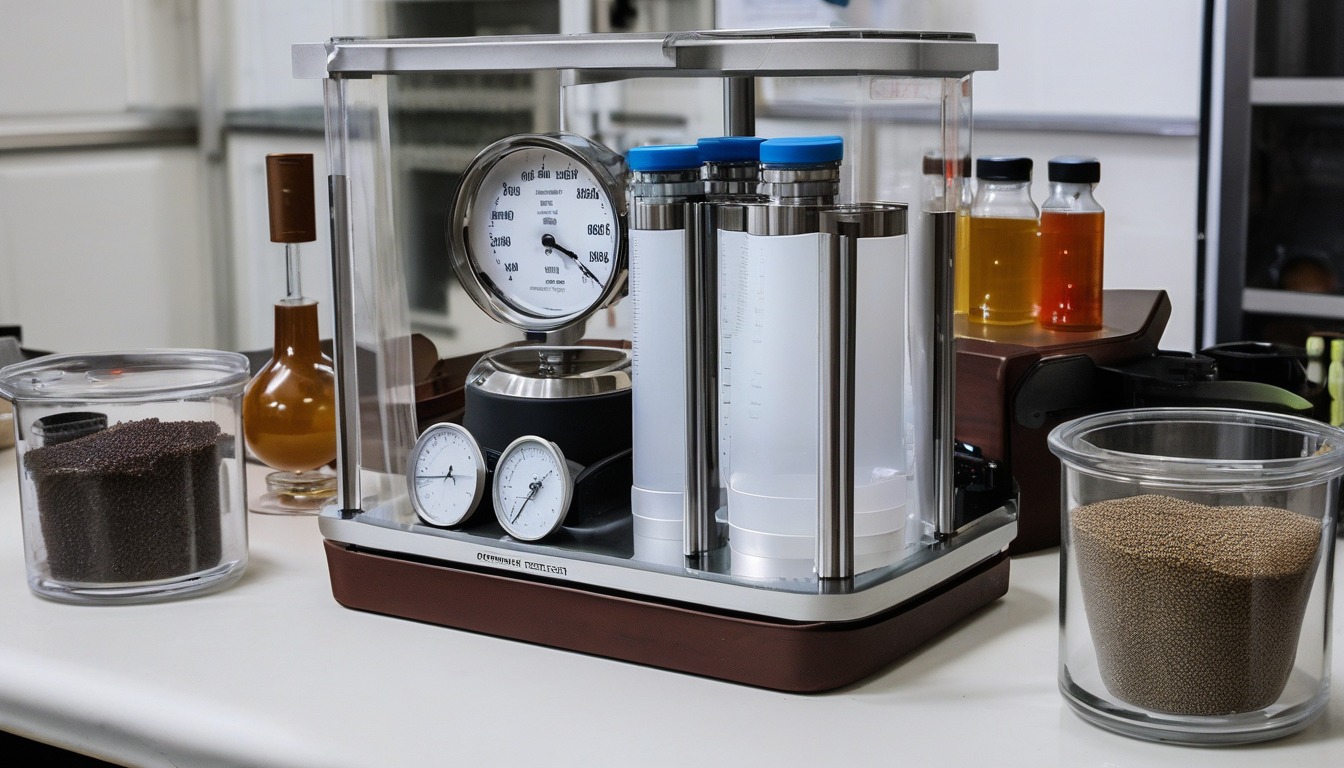
Stop Arguing and Test
Humidity arguments never end because people ask the wrong question. The question is not the best RH. It is what RH makes your cigars burn, draw, and taste best in your storage system.
A wooden desktop humidor in Arizona is not an airtight plastic container in Florida. A lancero is not a gordo. Test your setup.
The Three Targets
Use three common zones: 65% for drier profile and easier burn, 69% for balanced everyday storage, 72% for drafty wood humidors or dry environments.
The pack number is not the cigar internal moisture content. Seal, temperature, ambient climate, and opening frequency all matter.
What You Need
Minimum setup: nine identical cigars, three small airtight containers, 65, 69, and 72% packs, hygrometers if available, notebook, water, same cutter and lighter, and at least three weeks.
Do not use nine different cigars. This is not a sampler night. The test works only when the cigar stays constant.
Control Conditions
Keep time of day, meal timing, drink, location, cut, light, and pace as consistent as possible. If one sample follows steak and bourbon and another follows black coffee, you did not run a humidity test.
Score draw, smoke production, burn line, touch-ups, relights, flavor clarity, sweetness, heat, finish, and overall score.
What Each RH Often Reveals
At 65%, many cigars burn cleaner and show sharper cedar, pepper, mineral, and cocoa. Downsides can be faster burn and heat if smoked aggressively.
At 69%, many cigars sit in the middle. At 72%, cigars can feel more supple and slower but may become tight, muted, or prone to relights in airtight storage.
Choose by Use
After testing, split storage by purpose: daily smoking, long-term aging, problem cigars, drafty wood, or airtight tub. A simple two-zone setup often works: 65% for aging and tight cigars, 69% for daily rotation.
Humidity is not a belief system. It is a tasting variable. Test it, log it, and let the cigar tell you where it wants to live.
Source Notes
This article was built from current public reporting, official product pages, and Cigar Explorer internal reference pages checked during the monthly collection research pass: