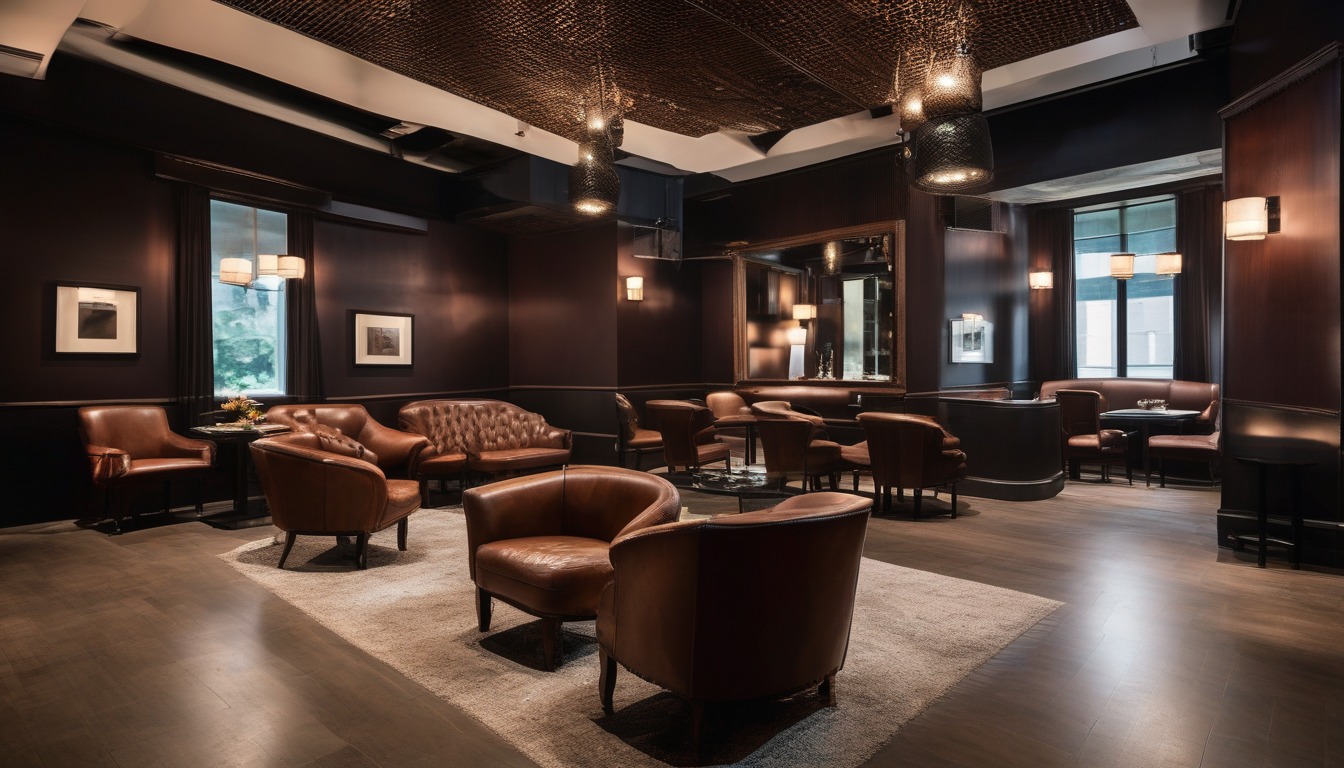
Air Matters
The best cigar lounge is not always the one with the rarest bottles. It is the one where you can taste your cigar.
Bad air ruins a lounge fast: burning eyes, stale clothes, palate fatigue, and every cigar tasting like yesterday ashtray. This is a comfort guide, not a claim that ventilation makes indoor smoking safe.
Start at the Door
Pause when you walk in. A good lounge smells like tobacco, cedar, leather, coffee, or spirits. It should not smell sour, wet, stale, or chemical.
If the retail area smells like the lounge, that is a warning. The shop and humidor should not drown in ambient smoke.
Look Up and Watch Smoke
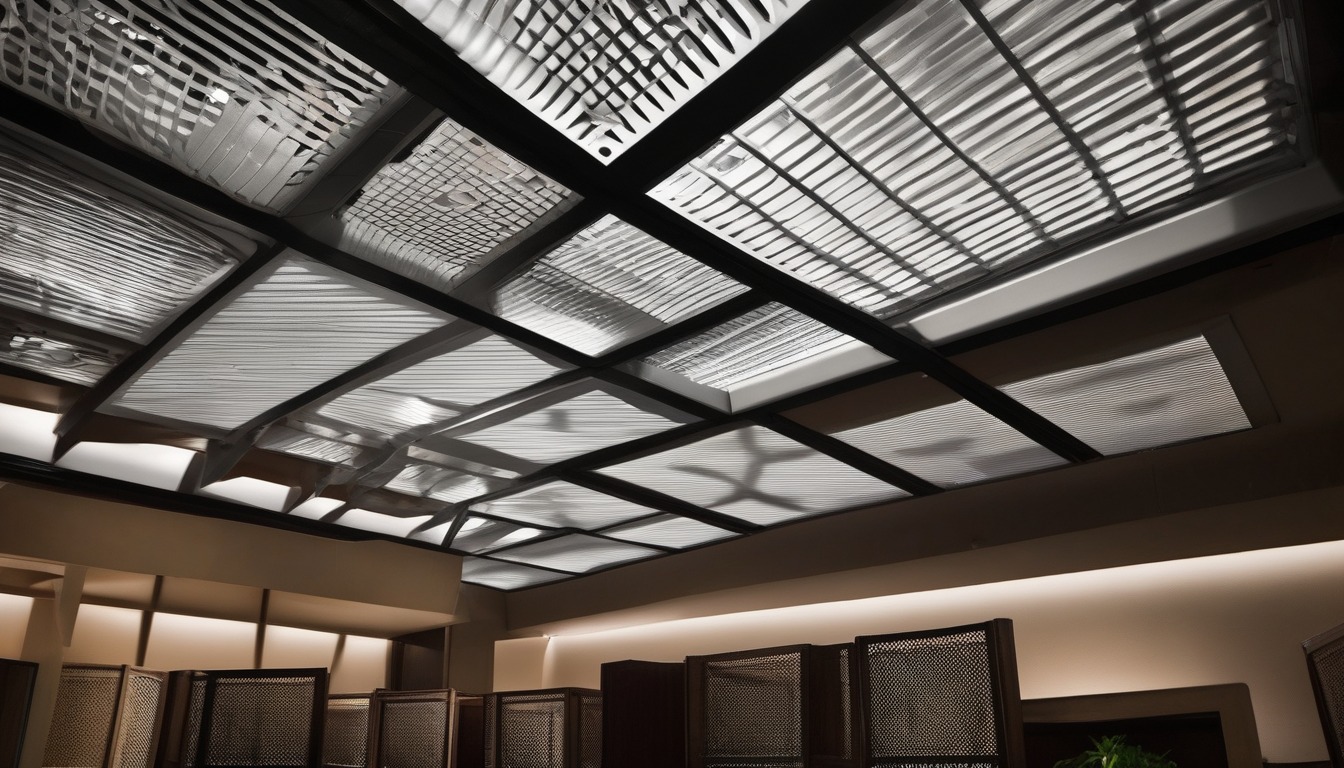
Check for supply vents, returns, exhaust, purifiers, open doors, patio flow, high ceilings, and separate retail zones.
Then watch the smoke path. Good smoke rises and clears. Bad smoke hangs at eye level, drifts from one seat to another, or collects in corners.
Ask Better Questions
Do not ask whether the ventilation is good. Everyone says yes. Ask whether the lounge has separate HVAC, dedicated exhaust, seats with less direct smoke, year-round patio access, and peak smoke-heavy hours.
A serious lounge can answer plainly.

Comfort Affects Tasting
Smoke-heavy rooms cause palate fatigue faster. Strong ambient smoke masks aroma and muddies retrohale. Subtle Connecticut and Cameroon notes disappear first.
If you are taking real notes, choose a quiet time, a clean-air seat, water, and one cigar. The room is part of the tasting score.
Membership Red Flags
Visit before joining at quiet weekday, busy evening, and event night. Watch overcrowding, ashtray management, HVAC noise, temperature swings, guest policy, outside-cigar rules, and locker humidity.
A lounge is an environment, not just a retailer with chairs. Pick the room where your cigar tastes like itself.
Source Notes
This article was built from current public reporting, official product pages, and Cigar Explorer internal reference pages checked during the monthly collection research pass: