Aging Needs a Plan
Aging one cigar is curiosity. Aging a box is a plan. Buying random boxes and hoping they turn magical is how collectors fill humidors with expensive question marks.
Box aging works when you build checkpoints. The goal is not owning the oldest cigars in the room. The goal is learning what time does to cigars you already like.
Choose Candidates
Good candidates have medium-full or full body, clear flavor when young, good construction across multiple samples, enough intensity to mellow, and a price that makes sense by the box.
Buy three singles before the box. Smoke one after short rest, one after a month, and one after two or three months. If all three have problems, the box will not fix them.
Set Storage Targets
For long-term aging, stay conservative. Many smokers use 69% for everyday storage, but 65-67% often works better for aging and cleaner burn in airtight containers.
Do not mix RH packs in the same sealed space. Pick the target, label it, and let the system settle.
Split the Box
A 20-count box should have checkpoints: arrival after rest, 6 months, 12 months, 18 months, 24 months, then yearly. A 10-count box should still preserve at least five for the long view.
This turns aging into a timeline instead of superstition.
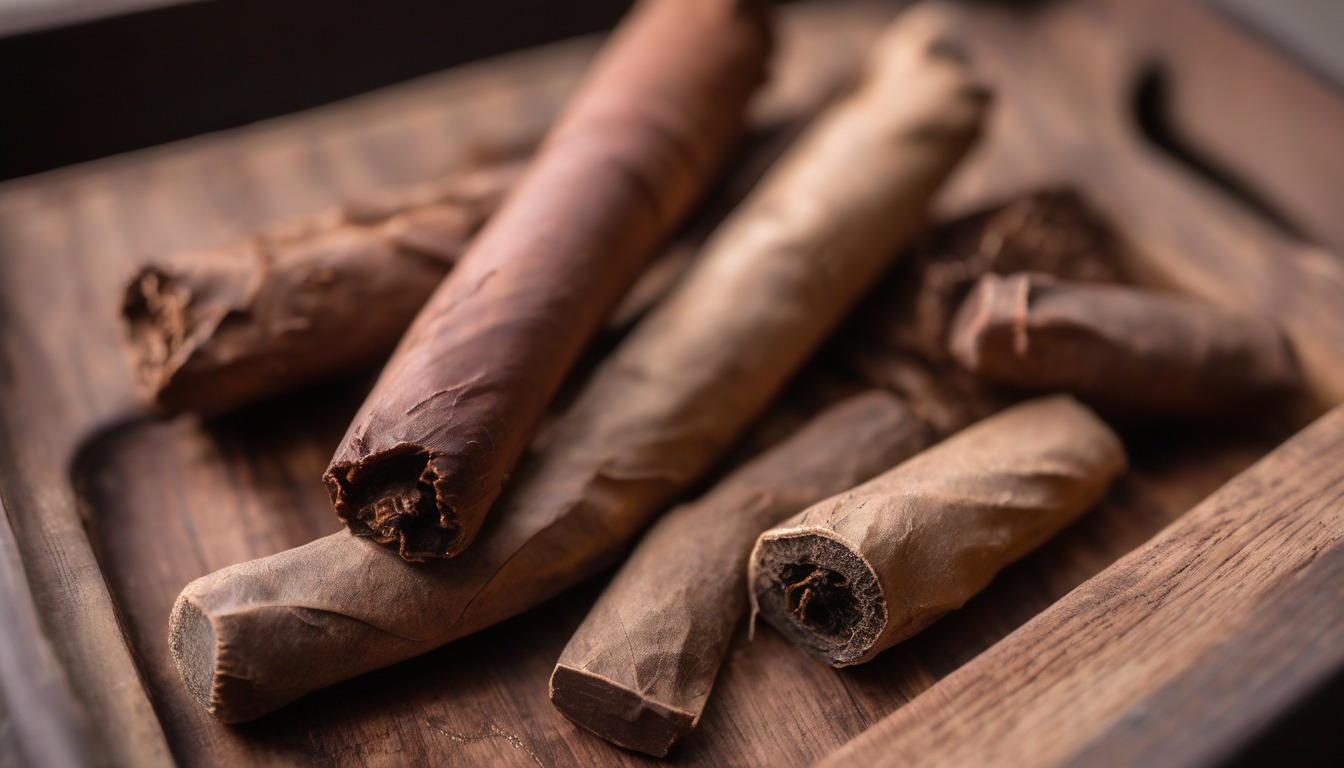
Watch the Mellowing Trap
Aging can reduce harshness, but it can also reduce character. Smoother is not always better. Better means the cigar gained balance without losing identity.
If the year-one version was best, smoke the box. Aging is a tool, not a moral achievement.
Start Small
You do not need 40 boxes. Start with three: one medium-bodied box for daily evolution, one full-bodied box for longer aging, and one value box to test whether budget cigars improve enough to justify storage.
Source Notes
This article was built from current public reporting, official product pages, and Cigar Explorer internal reference pages checked during the monthly collection research pass: